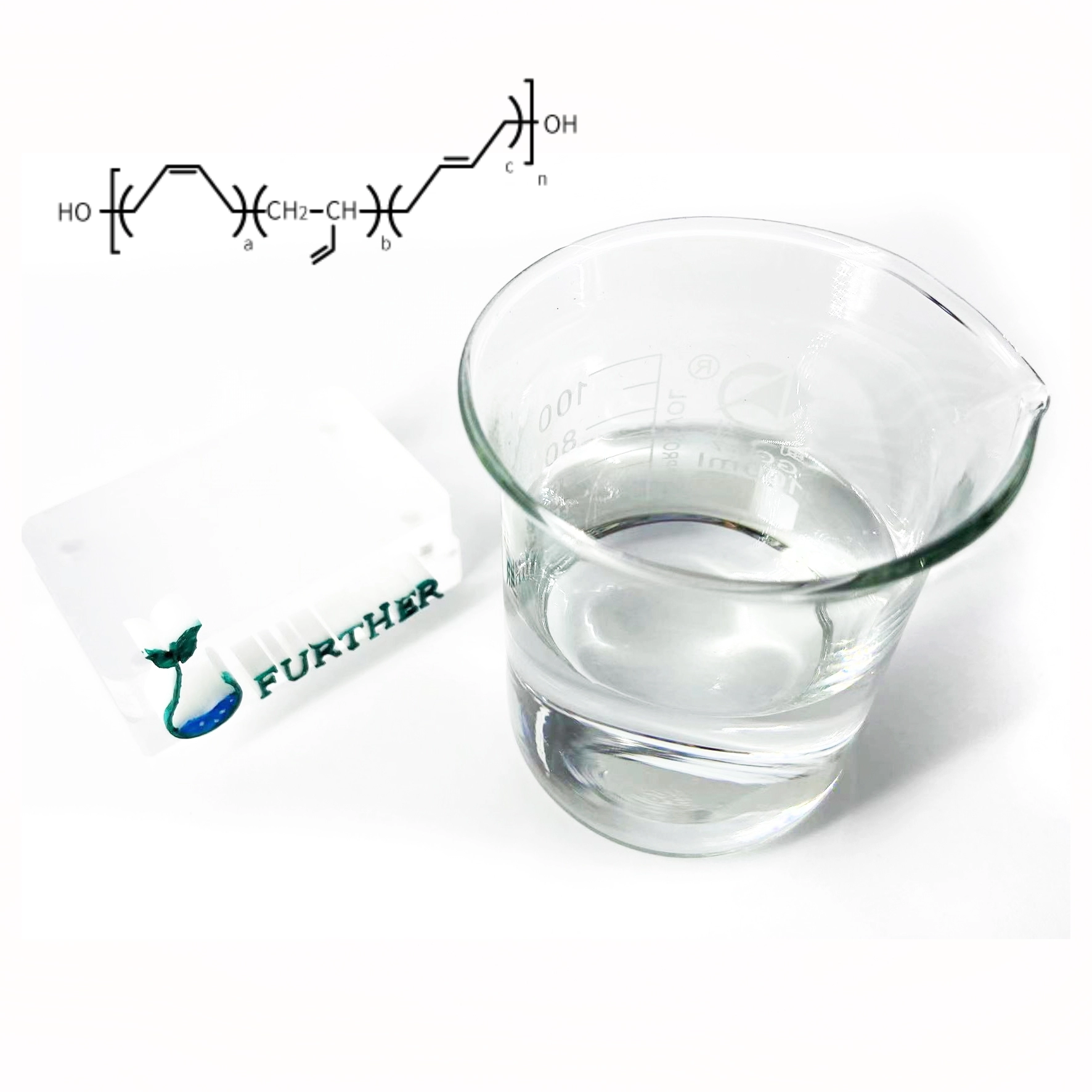
How to Buy Hydroxyl-Terminated Polybutadiene(HTPB)

Define Your HTPB Needs
Every buyer must start by identifying the requirements for hydroxyl-terminated polybutadiene. The intended applications determine the specifications needed. For example, solid propellant binders demand high tensile strength and uniform combustion. Adhesives and coatings require flexibility and resistance to environmental factors. Buyers should consider chemical properties, performance characteristics, and modifications that enhance the material for specific uses. The table below outlines key factors for selecting hydroxyl terminated polybutadiene for various applications:
| Key Factor | Description |
|---|
| Chemical Properties | HTPB reacts with diisocyanates to form polyurethane networks, essential for binding oxidizers. |
| Performance Characteristics | High tensile strength, excellent low-temperature flexibility, and uniform combustion. |
| Application-Specific Modifications | Terminal and double-bond changes improve performance for targeted uses. |
| Coating Properties | Adjusting NCO/OH ratio allows for soft coatings or hard layers. |
| Common Uses | Marine anti-corrosion coatings, explosion-proof coatings for industrial applications. |
Buyers must also review viscosity and clarity specifications. These properties affect processing and final product quality. Typical viscosity ranges from 4,000 to 6,000 cP at 25°C. Clarity should be clear, colorless to pale yellow. The refractive index is approximately 1.51 at 20°C. The table below summarizes these specifications:
| Property | Specification |
|---|
| Viscosity | 4,000 to 6,000 cP at 25°C |
| Clarity | Clear, colorless to pale yellow |
| Refractive Index | Approximately 1.51 at 20°C |
Packaging options also matter. Buyers can select 50kg plastic drums or 170kg metal drums. Proper storage ensures the shelf life of hydroxyl terminated polybutadiene remains at 12 months.
Find Reliable HTPB Suppliers
Locating trustworthy suppliers is essential for purchasing htpb. Buyers often use industry-specific platforms and trade shows to connect with manufacturers. These venues help buyers build relationships and learn about innovations in polybutadiene products. The most common platforms include:
- Alibaba
- Thomasnet
- Direct manufacturer websites
- Industry trade shows
Establishing clear criteria for supplier evaluation streamlines the selection process. Buyers should look for suppliers with a strong reputation, consistent product quality, and reliable delivery.
Request Quotes and Product Data
After identifying potential suppliers, buyers should request detailed quotes and product data. Technical data sheets and safety data sheets provide crucial information about hydroxyl terminated polybutadiene. Buyers must verify the CAS number, which is 69102-90-5, to ensure authenticity. Reviewing these documents helps buyers compare products and select the best option for their applications.
Tip: Always request samples or small batches before placing large orders. This practice allows buyers to test htpb in their specific processes and confirm suitability.
Buyers should also inquire about packaging, storage requirements, and annual production capacity. These details affect logistics and long-term supply planning.
Check Compliance and Certifications
Compliance and certifications guarantee the quality and safety of hydroxyl terminated polybutadiene. Suppliers must meet standards for export to the United States and European Union. The most important certifications include:
- ISO 9001 and AS9100 for quality management in manufacturing
- REACH registration for chemical safety in the EU
- Adherence to munitions control frameworks for export
Buyers should verify these certifications before finalizing any purchase. Regulatory compliance ensures that htpb meets industry standards and legal requirements.
Note: Choosing suppliers with proper certifications reduces risks and supports consistent performance in critical applications.
Hydroxyl-terminated polybutadiene(htpb) serves as a foundation for many products in aerospace, automotive, and construction industries. Buyers who follow these steps secure reliable polybutadiene products for their applications.
Choosing the Right HTPB Supplier
Assess Product Quality
Selecting a supplier for hydroxyl-terminated polybutadiene begins with a careful evaluation of product quality. High-quality htpb ensures reliable performance in demanding applications. Buyers should examine mechanical properties, as these directly impact the effectiveness of polybutadiene in various products. The table below highlights the most important mechanical properties to assess:
| Mechanical Property | Importance |
|---|
| Elasticity | Essential for flexibility and resilience in applications. |
| Tensile Strength | Indicates the material's ability to withstand tension without breaking. |
| Toughness | Important for energy absorption and preventing crack propagation, especially in brittle resins. |
| Low-Temperature Performance | Ensures flexibility at subzero temperatures, preventing brittleness. |
Hydroxyl-terminated polybutadiene stands out for its excellent resistance to hydrolysis. This property contributes to a longer shelf life and greater environmental stability. The following table summarizes these key aspects:
| Property | Description |
|---|
| Hydrolysis Resistance | HTPB has excellent hydrolysis resistance, contributing to its shelf life. |
| Environmental Stability | The material withstands acid, alkali, and other environmental factors. |
| Recommended Shelf Life | Suggested storage duration is 12 months, after which properties should be re-evaluated. |
A supplier who provides consistent quality in htpb helps prevent failures in products and maintains the integrity of industrial processes.
Verify Supplier Certifications
Certifications play a vital role in the selection of a hydroxyl-terminated polybutadiene supplier. Reliable suppliers hold certifications such as ISO 9001 and AS9100, which demonstrate their commitment to quality management. REACH registration ensures compliance with chemical safety standards in the European Union. When suppliers lack proper certifications, buyers risk receiving inconsistent htpb that may compromise both quality and safety. Unverified suppliers often fail to meet strict quality standards, which can result in product failures and significant financial losses. Always confirm that the supplier meets all regulatory requirements before making a purchase.
Evaluate Customer Support
Customer support and technical support are essential factors in choosing a supplier for hydroxyl-terminated polybutadiene. Buyers should look for suppliers who demonstrate expertise in functional materials and fine chemicals. High-quality service includes clear communication, prompt responses, and access to technical support for troubleshooting or process optimization. The best suppliers also invest in research and development, offering innovative solutions for evolving industry needs. Building a long-term partnership with a supplier who values mutual growth can lead to better products and improved outcomes for both parties.
- Assess the manufacturer's expertise in functional materials and fine chemicals.
- Evaluate service quality, including communication and technical assistance.
- Consider the manufacturer's R&D capabilities for innovation.
- Establish a long-term partnership focused on mutual growth.
Review Delivery and Pricing
Delivery reliability and transparent pricing complete the evaluation process for hydroxyl terminated polybutadiene suppliers. Timely delivery ensures that production schedules remain on track and that products reach the market without delay. Buyers should compare pricing structures, looking for clarity and fairness. Some suppliers offer flexible packaging options, such as 50kg plastic drums or 170kg metal drums, to accommodate different storage and handling needs. Consistent supply, clear terms, and competitive pricing all contribute to a successful partnership and high-quality htpb products.
A thorough review of these factors helps buyers secure the best hydroxyl-terminated polybutadiene for their applications. By focusing on quality, certifications, customer support, and delivery, buyers can confidently select a supplier who meets their needs and supports their business goals.
Common Mistakes When Buying HTPB
Ignoring Supplier Credentials
Many buyers overlook supplier credentials when purchasing HTPB. They often focus on quick transactions and ignore the importance of certifications and reputation. Suppliers with proper credentials provide consistent quality and reliable products. Without these credentials, buyers risk receiving polybutadiene that fails to meet industry standards. A supplier with strong credentials supports safe and effective use of htpb in demanding applications.
Overlooking Product Specs
Buyers sometimes neglect product specifications for hydroxyl-terminated polybutadiene(HTPB). This mistake can cause serious problems during production. If the propellant slurry does not fill every area in the engine cavity, holes or bubbles may form. These defects compromise the integrity of the propellant grain and may lead to abnormal engine operation. Reviewing product specs ensures that htpb delivers the expected quality and performance in all products.
Always check viscosity, clarity, and mechanical properties before placing an order. This step protects the quality of htpb and prevents costly errors.
Focusing Only on Price
Some buyers make decisions based only on price. They select cheaper grades of HTPB and ignore quality. This approach often leads to poor mechanical properties and unreliable performance in critical applications. The table below shows how price-driven decisions can impact the quality and availability of htpb:
| Evidence | Explanation |
|---|
| Price-driven decisions may lead to lower-quality HTPB | Selecting cheaper grades can compromise mechanical properties and reliability in critical applications. |
| Technological advancements can stabilize production costs | Improved synthesis methods can help maintain quality while offering competitive pricing. |
| Market sensitivity to demand surges | Increased demand can lead to price spikes, affecting the availability of high-quality HTPB. |
Choosing htpb based on quality and performance supports long-term success in industrial projects.
Neglecting After-Sales Service
After-sales service plays a key role in maintaining the quality of htpb. Buyers who ignore this aspect may struggle with technical issues or delayed shipments. Reliable suppliers offer support, guidance, and quick solutions for any problems. Strong after-sales service ensures that htpb continues to meet quality standards throughout its shelf life. Buyers benefit from ongoing support and improved performance in their products.
HTPB Buyer’s Checklist
Pre-Purchase Steps
Buyers should follow a clear process before purchasing htpb. They need to define the intended applications for the material. This step helps them select the right specifications for their products. Buyers should collect technical data sheets and safety data sheets. These documents provide important information about the chemical and physical properties. They must check the CAS number to confirm the authenticity of the material. Buyers should also request samples to test the material in their own processes. This practice ensures that the htpb will perform as expected in real-world conditions.
Supplier Evaluation
A careful evaluation of suppliers helps buyers secure high-quality products. They should look for suppliers with strong expertise in chemical formulations. Suppliers must have rigorous quality control processes. Compliance with international standards is essential. Buyers should choose manufacturers with a proven track record in producing fine chemicals. Companies that invest in research and development often deliver innovative materials. Good suppliers also provide clear communication and technical support throughout the purchasing process.
Tip: Building a long-term relationship with a reliable supplier can lead to better service and consistent quality.
Quality Assurance
Maintaining the quality of htpb depends on proper packaging and storage. Buyers should review packaging options and select the most suitable for their needs. The table below summarizes the main requirements:
| Requirement | Details |
|---|
| Packaging | Packed in 180kg, 50kg plastic drums |
| Storage Conditions | Waterproof, moisture-proof, sun-proof |
| Temperature Range | 0℃ to 40℃ |
| Storage Period | 12 months from the date of packaging |
| Transportation Guidelines | General chemical transportation standards |
Buyers must store products in a cool, dry, and ventilated area. They should avoid exposure to moisture and sunlight. Following these guidelines helps maintain the quality and performance of htpb for all applications.
Selecting hydroxyl-terminated polybutadiene requires careful attention to supplier quality and certification. Certified suppliers meet strict benchmarks for reliability, thermal stability, and tensile strength, as shown below:
| Performance Metric | Requirement |
|---|
| Reliability Benchmark | Exceeds 98% |
| Combustion Efficiency | Required |
| Batch Performance Tolerance | Below 2% |
Prioritizing quality and reliability brings lasting benefits. Buyers experience improved supply reliability, better long-term supplier relationships, and enhanced product performance. Using the checklist and avoiding common mistakes ensures successful procurement. Always choose quality and reliability for every HTPB purchase.
FAQ
What is the CAS number for Hydroxyl-Terminated Polybutadiene (HTPB)?
The CAS number for HTPB is 69102-90-5. Buyers should always verify this number when requesting product data to ensure they receive the correct chemical.
How should HTPB be stored for best quality?
Store HTPB in a cool, dry, and ventilated area. Keep the temperature between -20°C and 38°C. Avoid moisture and sunlight to maintain product quality and extend shelf life.
What are the main industrial uses of HTPB?
HTPB serves as a binder in solid propellants, an adhesive in automotive manufacturing, and a coating in construction. It also finds use in sealants, electrical insulation, and polyurethane elastomers.
How can buyers confirm HTPB quality before purchase?
Buyers should request technical data sheets, safety data sheets, and product samples. They should check viscosity, clarity, and mechanical properties. Testing small batches helps confirm suitability for specific applications.
What packaging options are available for HTPB?
| Packaging Type | Typical Size |
|---|
| Plastic Drum | 50 kg |
| Metal Drum | 170 kg |
Buyers can select the packaging that best fits their storage and handling needs.

 English
 English
  Spanish
  Russian
  Arabic
  French
  German
  Portuguese
  Turkish
  Dutch
Dutch  Polish
  Korean
  Vietnamese
  Indonesian
 07. Jul, 2026