The right polyisocyanate crosslinker can determine the strength and reliability of industrial adhesives. Studies show that selecting the correct crosslinker and dosage helps adhesives achieve high dry and wet strength, which is essential for demanding applications. When manufacturers use the right crosslinker in a 2k polyurethane system or pair the correct RE curing agent, RFE curing agent, and adhesive curing agent with their adhesive formulation, they see improvements such as:
- Increased water resistance
- Higher bond strength
- Enhanced durability
These factors highlight the need to consider compatibility, performance, safety, and cost when choosing a crosslinker.
Adhesive System Selection
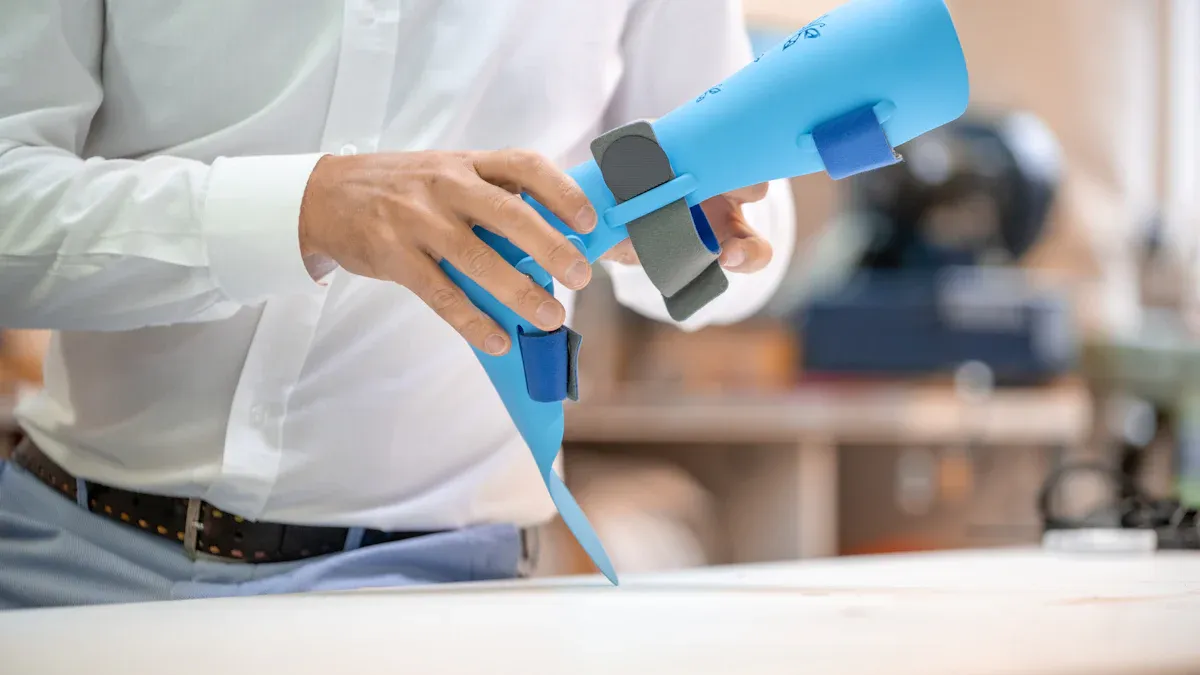
Types of Industrial Adhesives
Industrial adhesives come in several types. Each type has unique properties and requirements for crosslinker selection.
Polyurethane
Polyurethane adhesives offer strong bonds and flexibility. Manufacturers often use polyisocyanate crosslinkers to enhance performance. These adhesives work well in automotive, construction, and footwear industries. Polyurethane systems require careful selection of crosslinkers to achieve the desired balance of strength, durability, and cure speed.
Epoxy
Epoxy adhesives provide excellent chemical resistance and high mechanical strength. They rely on curing agents that react with the resin to form a solid bond. Polyisocyanate crosslinkers can improve toughness and adhesion in some epoxy formulations. Epoxy systems often serve in electronics, aerospace, and structural applications.
Acrylic
Acrylic adhesives cure quickly and bond a wide range of substrates. They benefit from crosslinkers that boost water resistance and durability. Acrylic systems are common in packaging, automotive trim, and signage. Selecting the right crosslinker ensures reliable performance under various environmental conditions.
Tip: Matching the adhesive type with the correct crosslinker helps optimize bond strength and longevity.
Adhesive Curing Agent Compatibility
Choosing the right curing agent is essential for adhesive performance. Compatibility between the adhesive and crosslinker affects the final properties of the bond.
Chemical Interactions
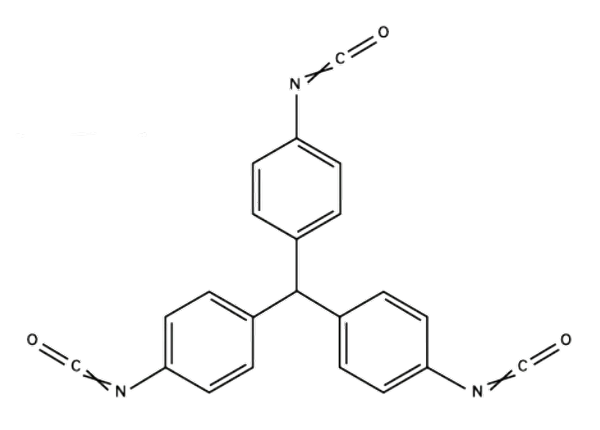
Different polyisocyanate crosslinkers interact with adhesive systems in unique ways. The table below shows how various crosslinkers perform in different applications:
| Polyisocyanate Type | Key Characteristics | Applications |
|---|
| TDI-based | Fast drying, compatibility with resin, gloss/matte finish | Solventborne 2K PU wood coatings |
| MDI-based | Different film-building route, adhesion profile, toughness | Various PU systems |
| HDI biuret | Flexibility, adhesion, clear-coat appearance | Lightfast 2K PU systems |
| HDI trimer | Higher hardness, crosslink density, faster drying | Non-yellowing PU coatings |
| IPDI trimer | Premium weather-resistance, durability | Aliphatic PU systems |
Manufacturers must consider these characteristics when selecting a crosslinker for their adhesive formulation.
Performance Outcomes
The compatibility of curing agents and crosslinkers determines the adhesive's reliability. The following table highlights how chemical interactions influence performance:
| Crosslinker Type | Application | Key Characteristics |
|---|
| TDI trimer/adduct | Indoor wood coating | Fast drying, high hardness, cost-effective |
| HDI biuret | Clear coats, flexible substrates | Better flexibility and adhesion |
| HDI trimer | Outdoor furniture, industrial topcoats | Higher hardness, faster cure, weather resistance |
Poor compatibility can lead to several issues. The table below outlines the impact of incompatibility:
| Impact of Incompatibility | Description |
|---|
| Reduced bond strength | The adhesive may not hold as effectively. |
| Poor adhesion between substrates | The bond may not form properly between materials. |
| Complete adhesive bonding failure | The adhesive may fail entirely, leading to product failure. |
| Change in failure mode | Shifts from cohesive failure to adhesive failure. |
| Cure inhibition or catalyst poisoning | Certain curing agents can interfere with the curing process of other adhesives. |
Selecting the right crosslinker and curing agent ensures strong, durable, and reliable adhesive bonds. Manufacturers should always match the curing agent to the adhesive formulation for optimal results.
Application Requirements
Performance Needs
Strength & Durability
Industrial adhesives must deliver reliable strength and durability to meet the demands of modern manufacturing. In automotive applications, adhesives face extreme conditions. They must maintain thermal stability, resist oils and coolants, and preserve structural integrity during vibration and crash events. These adhesives also need flexibility to handle thermal cycling and must comply with strict temperature ratings. Selecting the right crosslinker ensures that adhesives can withstand these challenges and provide long-lasting bonds.
- Key performance requirements in automotive manufacturing:
- Thermal stability
- Resistance to oils and coolants
- Structural integrity under vibration and crash loads
- Flexibility for thermal cycling
- Compliance with temperature ratings
A well-chosen crosslinker helps adhesives maintain their properties over time, even in harsh environments.
Flexibility & Resistance
Adhesives used in electronics assembly require a careful balance between strength and flexibility. Delicate components often experience thermal expansion and mechanical stress. For example, adhesives in electric vehicles must bond strongly while remaining flexible enough to protect batteries and sensitive electronics. Flexible circuits and wearable devices need adhesives with a low modulus, usually below 100 MPa, to prevent cracking and ensure reliable connections.
There is often a trade-off between strength and flexibility. Rigid adhesives may become brittle, while highly flexible options might not support heavy loads. The choice of crosslinker plays a critical role in achieving the right balance for each application. For sealants, the adhesive must resist peeling and absorb movement without cracking.
Cure Speed
Cure speed directly impacts production efficiency in industrial settings. Fast-curing adhesives allow manufacturers to process materials quickly and reduce bottlenecks on the assembly line. Rapid cure systems, such as snap cure adhesives, help form strong bonds in a short time. This is especially important in high-volume production environments. Advances in curing technology, like UV curing, also reduce energy consumption and minimize thermal stress on components. The selection of a suitable crosslinker can optimize cure speed to match the needs of each manufacturing process.
Note: Choosing the right crosslinker for performance needs ensures adhesives meet industry standards for strength, flexibility, and processing speed.
Environmental & Regulatory Factors
VOCs & Emissions
Regulatory bodies set strict limits on volatile organic compound (VOC) emissions in industrial adhesive manufacturing. These regulations aim to reduce air pollution and protect worker health. The table below summarizes key regulatory agencies and their roles:
| Regulatory Body | Description |
|---|
| EPA | Sets nationwide limits on VOC emissions to reduce smog-forming pollutants in building materials. |
| CARB | Enforces some of the strictest VOC limits, influencing national compliance standards. |
| SCAQMD Rule 1168 | Imposes tight limits on adhesives, sealants, and primers, often setting default specifications. |
Manufacturers must select crosslinkers that help adhesives comply with these regulations. Low-VOC, low-odor, and low-hazard air pollutant (HAP) chemicals are now preferred. Many companies also focus on sustainability, seeking crosslinkers that support reduced energy use and recyclability.
Safety & Compliance
Safety and compliance have become central to adhesive development. Regulatory agencies now scrutinize the use of biocides, microplastics, and hazardous solvents. Manufacturers must choose crosslinkers that align with sustainability goals and support circularity. Adhesive systems should enable recyclability and regulatory readiness. Strategies for VOC reduction are essential in new adhesive technologies.
- Key considerations for environmental and safety compliance:
- Use of greener solvents and solvent-free options
- Support for sustainability and lifecycle thinking
- Readiness for evolving regulations on chemicals and emissions
Selecting the right crosslinker not only improves adhesive performance but also ensures compliance with environmental and safety standards. This approach helps companies meet current regulations and prepare for future changes in the industry.
Crosslinker Types Comparison
Aliphatic vs. Aromatic
Industrial adhesive manufacturers often choose between aliphatic and aromatic polyisocyanate crosslinkers. Aliphatic crosslinkers, such as TMXDI and Trans-CHDI from Further Chem, provide excellent UV stability and weather resistance. These materials suit outdoor applications, including automotive coatings and construction adhesives. Aromatic crosslinkers, like DDI and NDI, deliver high mechanical strength and fast cure times. They perform well in indoor environments where exposure to sunlight is limited.
| Type | Example Products | Key Features | Typical Applications |
|---|
| Aliphatic | TMXDI, Trans-CHDI | UV resistance, flexibility | Outdoor coatings, sealants |
| Aromatic | DDI, NDI | High strength, fast curing | Indoor adhesives, structural |
Manufacturers select the crosslinker type based on the required durability and environmental exposure.
Monomeric vs. Polymeric
Monomeric crosslinkers contain single isocyanate units. They offer low viscosity and easy mixing. Polymeric crosslinkers, such as RE and RFE from Further Chem, consist of multiple isocyanate groups. These materials increase crosslink density and improve adhesive performance. Polymeric options enhance water resistance and chemical stability.
Note: Polymeric crosslinkers often provide better mechanical properties and longer-lasting bonds than monomeric types.
| Type | Example Products | Advantages | Considerations |
|---|
| Monomeric | TMXDI, DDI | Easy handling, fast curing | Lower crosslink density |
| Polymeric | RE, RFE | High durability, water resistance | Higher viscosity, strong bonds |
Choosing between monomeric and polymeric crosslinkers depends on the desired balance of processing ease and adhesive strength.
Specialty Isocyanates
Waterborne Options
Waterborne crosslinkers help manufacturers meet environmental regulations. These materials reduce volatile organic compound emissions and support safer workplaces. Further Chem offers specialty isocyanates that integrate well with waterborne adhesive systems. Waterborne crosslinkers maintain performance while minimizing environmental impact.
- Lower VOC emissions
- Improved worker safety
- Compatibility with modern waterborne adhesives
High-Performance Grades
Specialty isocyanates address demanding industrial applications. Further Chem supplies high-performance grades such as RE and RFE, which deliver exceptional bond strength and chemical resistance. TMXDI and Trans-CHDI provide advanced weatherability and flexibility. Manufacturers also explore innovative alternatives like Cargill's PriNext, which uses acetoacetate chemistry and dimer technology. PriNext cures at room temperature, avoids moisture sensitivity, and eliminates foaming risk. It requires no special storage and matches traditional isocyanate adhesion.
- High bond strength and durability
- Resistance to chemicals and weather
- Room-temperature curing and easy storage
Selecting the right crosslinker ensures adhesives meet both performance and environmental requirements. Specialty options expand the possibilities for industrial applications.
RE & RFE Curing Agent Selection
RE Curing Agent Applications
RE curing agent;rfe curing agent;adhesive curing agent play a vital role in industrial adhesives. These agents initiate the chemical reactions that transform liquid adhesives into strong, durable bonds. In aerospace, manufacturers rely on these curing agents for high-performance adhesives that must withstand extreme conditions. They use them to bond metals, composites, and ceramics, ensuring reliable results and long-lasting performance. Many industries trust specific formulations, such as those found in Araldite 420 A/B and Permabond ET5147, for demanding applications. The right re curing agent;rfe curing agent;adhesive curing agent ensures full strength and chemical resistance in two-part adhesive systems.
- Curing agents support high-performance adhesives in aerospace.
- They start chemical reactions in two-part adhesives.
- They provide strength and chemical resistance.
- Used for bonding metals, composites, and ceramics.
- Trusted in demanding industries for reliable, long-lasting bonds.
RFE Curing Agent Benefits
RFE curing agent offers several advantages for industrial adhesive applications. This agent provides excellent crosslinking, which increases the mechanical strength and flexibility of the adhesive. RFE curing agent also improves resistance to moisture, chemicals, and wear. Many manufacturers choose RFE curing agent for its ability to enhance the durability of adhesives in challenging environments. When paired with the right crosslinker, RFE curing agent helps adhesives maintain performance over time. Its compatibility with a wide range of adhesive systems makes it a popular choice in automotive, footwear, and construction industries.
Tip: RFE curing agent can help adhesives meet strict industry standards for strength and environmental resistance.
Choosing the Right Adhesive Curing Agent
Selecting the correct re curing agent;rfe curing agent; adhesive curing agent requires careful consideration of application needs. The following table outlines important criteria for making the best choice:
| Criteria | Importance |
|---|
| Mechanical Strength | Ensures long-term durability in applications. |
| Chemical Resistance | Essential for industrial and marine applications to withstand harsh conditions. |
| Thermal Stability | Necessary for high-heat environments to maintain performance. |
| Dimensional Stability | Reduces shrinkage in coatings and adhesives, ensuring accuracy. |
| Environmental Compliance | Adheres to VOC regulations, especially in water-based systems. |
| Working Time (Pot Life) | Influences the usability of the adhesive during application. |
| Cure Speed | Affects the time taken for the adhesive to set. |
| Flexibility or Rigidity | Determines the final properties of the adhesive based on application needs. |
| Resistance to Chemicals | Important for durability in various environments. |
| Moisture and Wear Resistance | Ensures longevity and performance in challenging conditions. |
Manufacturers should match the re curing agent;rfe curing agent;adhesive curing agent to the specific requirements of their adhesive system. They should also consider the type of crosslinker used, as this affects the final properties of the adhesive. By evaluating these criteria, companies can ensure their adhesives deliver reliable performance in any industrial setting.
Processing & Handling

Pot Life & Mixing
Pot life refers to the time window during which an adhesive mixture remains workable after adding the polyisocyanate crosslinker. This period is critical for industrial processes. Operators must complete mixing and application before the adhesive becomes too viscous. Pot life depends on the formulation, temperature, and the type of crosslinker used. Short pot life can lead to wasted material and inconsistent bonds. Long pot life allows for more flexible processing but may slow down production.
The following table shows how pot life affects key performance metrics in adhesive formulations:
| Performance Metric | Effect Over Time |
|---|
| Viscosity | Increases after crosslinker addition |
| Application Methods | Changes in brushing/spraying performance |
| Final Bond Strength | Varies with time post crosslinker addition |
Operators should monitor viscosity during mixing. A sudden increase signals the end of the pot life. Proper mixing ensures uniform distribution of the crosslinker, which leads to consistent curing and optimal bond strength. Inadequate mixing can cause weak spots and reduce adhesive performance.
Tip: Always mix adhesives thoroughly and use them within the recommended pot life for best results.
Storage Stability
Storage stability determines how long adhesive components remain usable before mixing. Polyisocyanate crosslinkers require storage in tightly sealed containers to prevent moisture absorption. Exposure to air or humidity can cause premature reactions, leading to gelation or reduced reactivity. Manufacturers recommend storing these materials in cool, dry environments. Proper storage extends shelf life and maintains product quality.
Labeling containers with batch numbers and expiration dates helps track inventory. Regular inspections ensure that stored materials remain free from contamination. Using fresh crosslinkers supports consistent adhesive performance and reduces the risk of defects.
Application Methods
Manual vs. Automated
Industrial adhesives can be applied manually or with automated systems. Manual application suits small-scale or custom projects. Operators use brushes, rollers, or spatulas to spread the adhesive. Automated methods, such as spraying or dispensing machines, improve consistency and speed in large-scale production.
The choice of application method affects the effectiveness of polyisocyanate crosslinkers. For example, automated systems can control the molar ratio of crosslinker to resin more precisely. The following table illustrates how different molar ratios and substrates influence adhesion strength:
| Molar Ratio | Adhesion Strength (kPa) | Substrate Type |
|---|
| 1.25:1 | ≈170 | Porcine skin |
| 1:1 | ≈338 | Stainless steel |
| 1:1 | ≈420 | Iron |
| 1:1 | ≈330 | Glass |
| 1:1 | High | Various common polymers (PP, PET, PPA) |
Automated systems often deliver higher and more consistent bond strengths due to precise control.
Equipment Compatibility
Equipment compatibility plays a vital role in adhesive processing. Polyisocyanate crosslinkers can react with certain metals or rubber seals, causing blockages or equipment wear. Manufacturers select pumps, hoses, and nozzles made from compatible materials such as stainless steel or PTFE. Regular cleaning prevents buildup and ensures smooth operation.
Note: Choosing the right equipment and maintaining it properly helps achieve reliable adhesive performance and extends equipment life.
Viscosity and handling characteristics influence the choice of application method. Low-viscosity adhesives suit spraying, while higher viscosity products may require extrusion or manual spreading. By understanding these factors, manufacturers can optimize processing and achieve strong, durable bonds.
Cost & Supplier Support
Performance vs. Budget
Industrial adhesive manufacturers face the challenge of balancing performance with budget constraints. They must select crosslinkers that deliver the required strength, durability, and compliance without exceeding cost targets. Many companies now prioritize products that meet environmental regulations and improve productivity. Market trends show that 63% of new adhesive product launches focus on environmentally compliant solutions. This shift reflects a growing demand for adhesives that combine high performance with regulatory compliance.
Manufacturers often accept higher costs for adhesives that increase productivity or reduce downtime. Fast-drying adhesives, for example, help speed up production lines and lower labor expenses. Companies invest in research and development to create formulations that offer both strong tack and rapid curing. The following table summarizes key factors that influence the balance between performance and budget:
| Factor | Description |
|---|
| Market Data | 63% of new adhesive launches focus on environmental compliance and performance. |
| Price Sensitivity | Users pay more for adhesives that boost productivity and efficiency. |
| Demand Forecast | High demand exists for fast-drying adhesives that align with market needs and cost control. |
Tip: Manufacturers can achieve cost savings by choosing crosslinkers that enhance both performance and process efficiency.
Supplier Reliability
Supplier reliability plays a crucial role in the success of industrial adhesive projects. Reliable suppliers ensure a steady supply of high-quality crosslinkers, which helps manufacturers avoid production delays. Consistent product quality supports predictable adhesive performance and reduces the risk of defects. Technical support from suppliers also adds value. It helps manufacturers solve formulation challenges and optimize adhesive properties for specific applications.
A dependable supplier offers:
- On-time delivery and stable supply chains
- Consistent product quality across batches
- Responsive technical assistance and troubleshooting
- Guidance on regulatory compliance and safety
Manufacturers benefit from building long-term partnerships with suppliers who understand their needs and provide ongoing support.
Further Chem Solutions
Shanghai Further New Material Technology Co., Ltd. stands out as a trusted partner for industrial adhesive manufacturers. The company offers a comprehensive range of adhesive intermediates and specialty isocyanates, including DDI, TMXDI, Trans-CHDI, RE, and RFE. These products meet the rigorous demands of modern manufacturing and comply with global quality standards.
Further Chem provides several advantages:
- A diverse product portfolio that covers standard and specialty crosslinkers
- Customization services to match unique application requirements
- Competitive pricing without compromising on quality
- Reliable supply chains and prompt delivery
- Expert technical support for formulation and process optimization
Manufacturers who choose Further Chem gain access to innovative solutions and a team dedicated to their success. The company’s commitment to quality, customization, and customer service makes it a preferred supplier in the polyurethane and adhesive industries.
Selecting the right polyisocyanate crosslinker requires careful evaluation. Professionals should follow these steps:
- Identify substrates and load types.
- Define temperature and environmental needs.
- Specify bond gap and process requirements.
- Check compliance standards.
- Test adhesive performance in real conditions.
Aligning crosslinker choice with adhesive chemistry ensures strong, reliable bonds. For expert support and tailored solutions, manufacturers can consult Shanghai Further New Material Technology Co., Ltd. Their team helps optimize adhesive systems for every application.
FAQ
What is a polyisocyanate crosslinker?
A polyisocyanate crosslinker is a chemical that connects polymer chains in adhesives. This process increases strength, durability, and resistance to water and chemicals. Manufacturers use these crosslinkers in polyurethane, epoxy, and acrylic adhesive systems.
How does the choice of crosslinker affect adhesive performance?
The crosslinker determines bond strength, flexibility, and cure speed. Selecting the right type ensures the adhesive meets application requirements. For example, aliphatic crosslinkers improve UV resistance, while aromatic types provide higher mechanical strength.
Which industries benefit most from specialty isocyanates?
Industries such as automotive, aerospace, construction, and electronics rely on specialty isocyanates. These materials help adhesives withstand harsh environments, support structural integrity, and meet regulatory standards.
What are the main differences between RE and RFE curing agents?
| Curing Agent | Key Benefit | Typical Use |
|---|
| RE | High bond strength | Aerospace, electronics |
| RFE | Moisture resistance | Footwear, construction |
RE offers strong bonds. RFE improves moisture and chemical resistance.
How can manufacturers ensure environmental compliance?
Manufacturers select low-VOC crosslinkers and waterborne options. They follow guidelines from agencies like EPA and CARB. Using safer chemicals protects workers and meets regulatory requirements.
What storage conditions do polyisocyanate crosslinkers require?
Manufacturers store polyisocyanate crosslinkers in sealed containers. They keep them in cool, dry places. Exposure to moisture or air reduces effectiveness and shelf life.
Why choose Shanghai Further New Material Technology Co., Ltd. as a supplier?
Shanghai Further New Material Technology Co., Ltd. provides high-quality adhesive intermediates and specialty isocyanates. The company offers customization, reliable supply, competitive pricing, and expert technical support. Manufacturers gain access to innovative solutions and consistent product quality.
Can polyisocyanate crosslinkers be used in waterborne adhesive systems?
Yes! Waterborne crosslinkers reduce VOC emissions and support safer workplaces. Specialty isocyanates from Further Chem integrate well with modern waterborne adhesives.

 English
 English
  Spanish
  Russian
  Arabic
  French
  German
  Portuguese
  Turkish
  Dutch
Dutch  Polish
  Korean
  Vietnamese
  Indonesian
 04. Aug, 2026