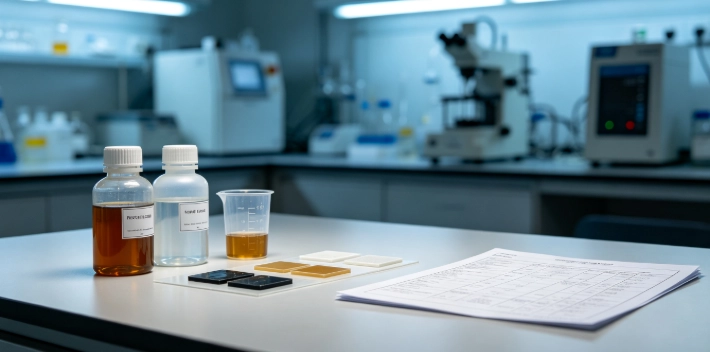
You see Why HTPB Enhances Waterproofing in real-world projects. HTPB Enhances Waterproofing, Thermal Insulation and Adhesion of Roofing & Flooring Materials because of its unique chemistry. You get fast-curing protection and strong bonding. As cities grow, builders like you choose HTPB for its proven strength and reliability in construction.
· HTPB provides excellent waterproofing due to its hydrophobic chemical structure, keeping surfaces dry and protected from moisture.
· The fast-curing nature of HTPB allows for quick project completion, enabling contractors to move on to the next steps without long waiting times.
· HTPB's strong adhesion to various materials ensures durability and reduces the risk of peeling or lifting, making it ideal for high-traffic areas.
What is HTPB?
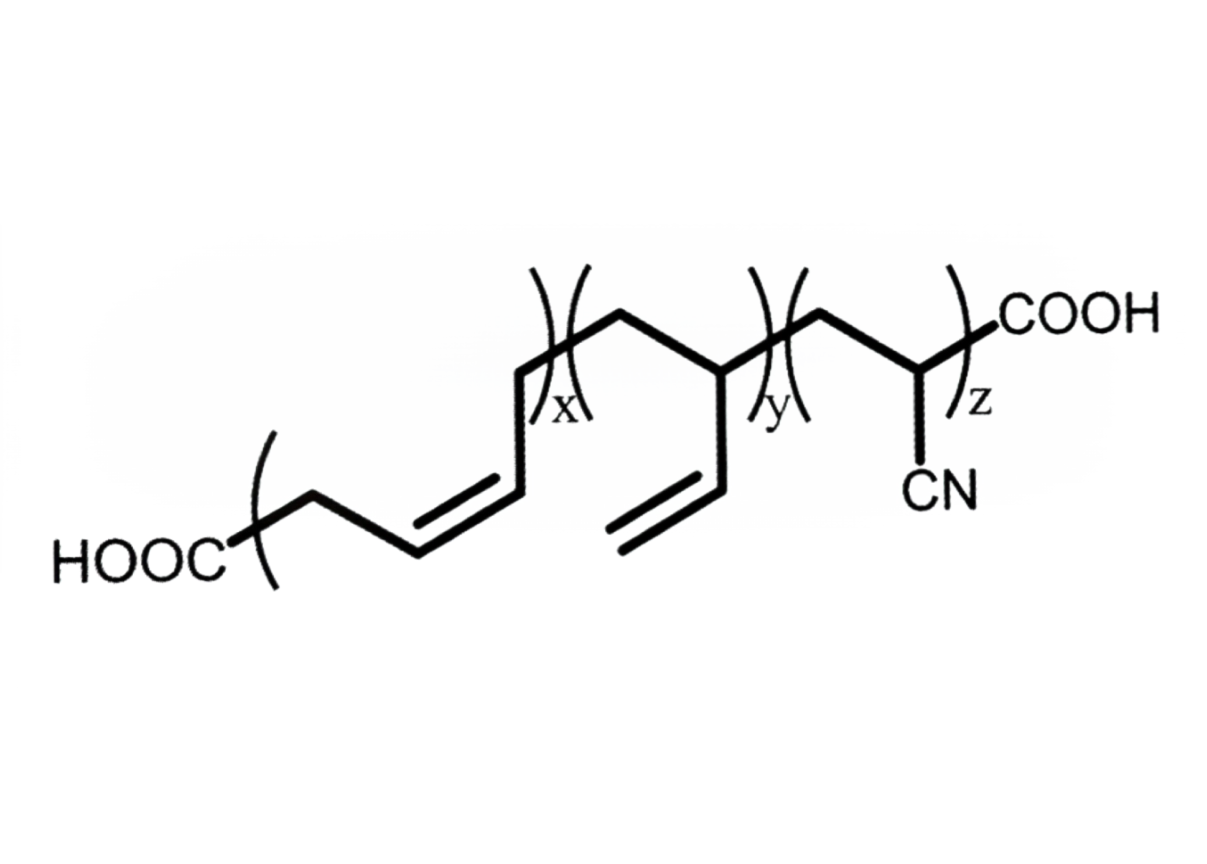
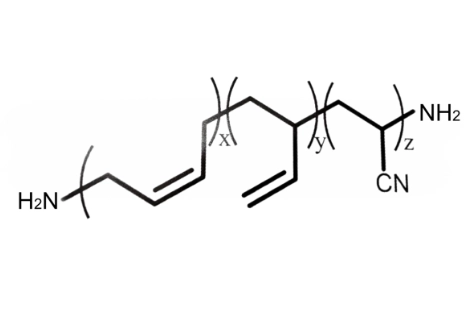
HTPB, or Hydroxyl-terminated polybutadiene, is a special type of liquid rubber. You find it in many construction products because it helps protect surfaces and make strong bonds. Theorem Chem’s HTPB stands out for its ability to keep water out and hold materials together, even in tough conditions.
Properties Relevant to Waterproofing and Adhesion
You benefit from HTPB’s unique chemical structure. Its reactive hydroxyl groups let it form a strong network when mixed with other agents. This network gives you a surface that resists water and stays bonded for a long time. HTPB also keeps its strength in wet conditions and sticks well to many surfaces.
Here is a table showing how HTPB’s properties help with waterproofing and adhesion:
Property | Contribution to Waterproofing and Adhesion |
Reactive hydroxyl groups | Enable reaction with agents to form a durable network |
Low moisture permeability | Reduces water ingress, enhancing waterproofing |
Resistance to hydrolysis | Maintains integrity in wet conditions, improving adhesion |
Excellent adhesion to substrates | Ensures strong bonding with various materials |
You also get these benefits:
Property | Description |
Hydrophobicity | HTPB's ability to repel water, enhancing waterproofing. |
Resistance to hydrolysis | Stability in the presence of water, crucial for durability. |
Excellent adhesion | Strong bonding to various substrates, important for floor adhesion. |
Differences from Other Polymers
HTPB gives you more flexibility and durability than many other polymers. It stays flexible at very low temperatures and does not crack when stretched. You can use it on concrete, wood, metal, or glass, and it will still bond well.
Property | HTPB | Other Polymers |
Flexibility | Excellent | Varies |
Durability | High | Varies |
Chemical Resistance | Strong against acids, bases, and water | Varies |
Adhesion | Superior to various materials | Varies |
· HTPB keeps its flexibility at temperatures as low as -75°C.
· You can stretch it over 50% at -54°C without cracking.
· It bonds well with many building materials because of its reactive hydroxyl groups.
With HTPB, you get a material that works in many environments and gives you reliable results every time.
Why HTPB Enhances Waterproofing
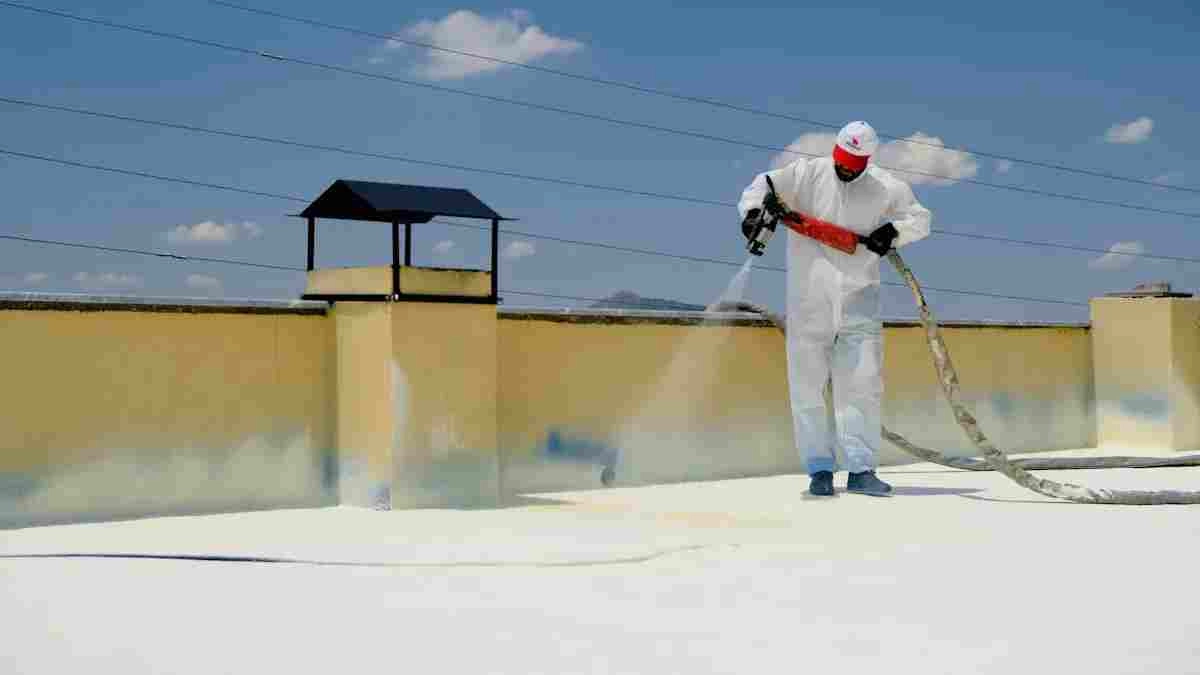
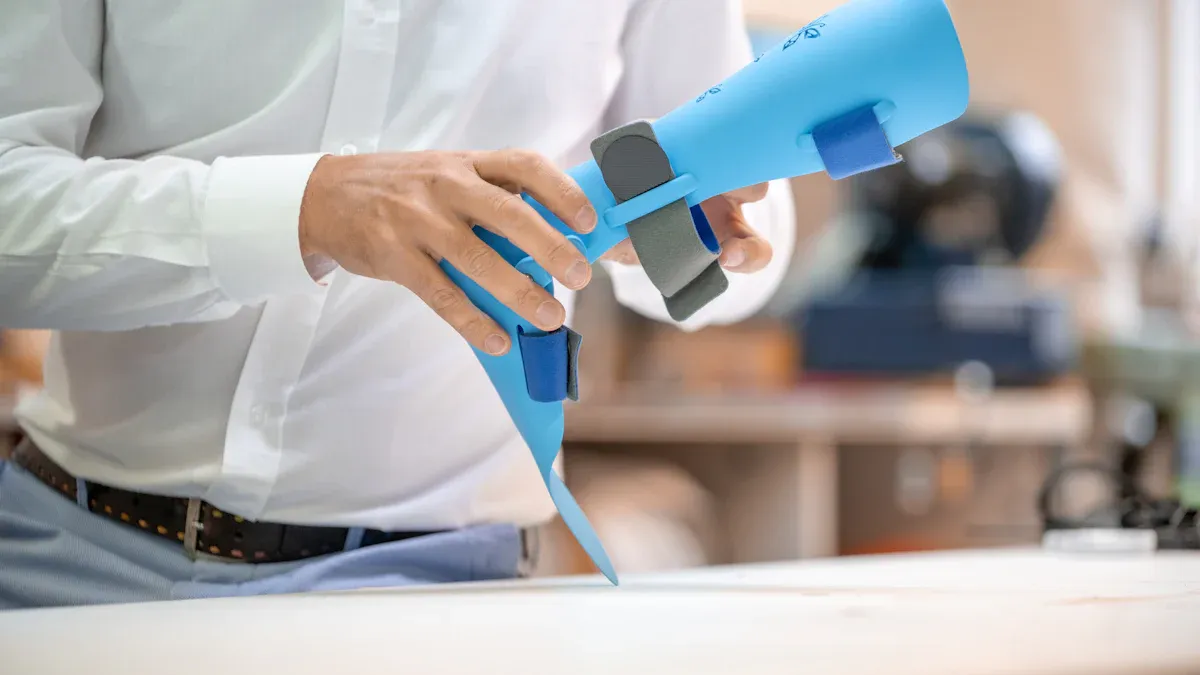
Image Source: unsplash
Chemical Structure and Water Resistance
You want a material that keeps water out and protects your building. HTPB gives you this protection because of its special chemical structure. The backbone of HTPB is made from polybutadiene, which does not mix with water. This hydrophobic backbone acts like a shield, stopping water from getting through.
When you cure HTPB with isocyanates, it forms a strong network called polyurethane. This network blocks moisture and keeps your surfaces dry. You can count on HTPB to keep water absorption very low—less than 1% by weight. This means your floors and roofs stay safe from humidity and leaks.
· HTPB’s hydrophobic polybutadiene backbone increases barrier properties.
· Crosslinked polyurethane networks form during curing, reducing moisture permeability.
· Cured HTPB absorbs less than 1% water by weight, giving you strong protection from humidity.
Performance in Roofing Applications
You see Why HTPB Enhances Waterproofing when you use it on roofs. HTPB creates a seamless layer that covers every corner and joint. Water cannot find a way in. You get a roof that stands up to rain, snow, and even standing water. HTPB does not break down when exposed to acids or bases in rainwater. You can use it on flat or sloped roofs, and it will stick well to concrete, metal, or wood.
Roofing contractors choose HTPB because it cures quickly. You do not have to wait long before the roof is ready. This fast-curing feature helps you finish projects faster and protect buildings sooner. You also get a roof that lasts for years without cracking or peeling.
Tip: For best results, apply HTPB in a clean, dry environment to maximize its waterproofing power.
Comparison with Traditional Waterproofing Materials
You may wonder how HTPB compares to older materials like bitumen or EPDM. The table below shows you the differences:
Property | HTPB | Bitumen | EPDM |
Hydrophobicity | Yes | Moderate | Yes |
Low moisture permeability | Yes | No | Yes |
Resistance to aqueous acids and bases | Yes | No | Yes |
HTPB stands out because it combines hydrophobicity, low moisture permeability, and resistance to harsh chemicals. You get a material that keeps water out better and lasts longer. This is Why HTPB Enhances Waterproofing in modern construction.
How HTPB Boosts Floor Adhesion Fast
Image Source: pexels
Adhesion Mechanisms
You want your flooring to stay in place for years. HTPB helps you achieve this by creating strong bonds at the molecular level. The hydroxyl groups in HTPB react with curing agents to form a tough, three-dimensional network. This network grabs onto the surface of concrete, wood, or metal. You get a secure grip that resists peeling and lifting.
HTPB’s low moisture content and high purity make it reliable for bonding. You do not have to worry about weak spots or bubbles under your floor. The polymer chains in HTPB stretch and move with the floor, so the bond stays strong even when the temperature changes.
Here is a table that shows you the key properties of HTPB that support fast and strong adhesion:
Property | Values (Range) |
Hydroxyl value (mmol/g) | 0.47-1.40 |
Viscosity (40℃ Pa.s) | ≤ 9.5 to 3.0 |
Peroxide mass fraction (%) | 0.04 to 0.10 |
Moisture (wt%) | ≤ 0.05 to 0.10 |
Volatile Content (%) | ≤ 0.5 to 1.0 |
Molecular weight | 1600-4600 |
These numbers show you that HTPB has the right balance of flow and reactivity. You get a product that spreads easily and cures into a solid, lasting bond.
Speed of Bonding and Curing
You save time on your projects when you use HTPB. The fast-curing nature of HTPB means you do not have to wait long before moving to the next step. Once you mix HTPB with a curing agent, the reaction starts quickly. The floor adhesive sets in a short time, often within hours.
You can walk on the floor or install other materials soon after application. This speed helps you finish jobs faster and reduces downtime. HTPB’s low viscosity allows it to flow into small cracks and gaps, filling them before curing. You get a smooth, even surface that is ready for use.
Tip: Always mix HTPB thoroughly with the recommended curing agent. This ensures even curing and the best adhesion results.
Examples in Flooring Projects
You see the benefits of HTPB in many real-world flooring projects. Contractors use HTPB-based adhesives for installing tiles, vinyl, and wood flooring. You can apply it to concrete slabs in commercial buildings, where strong adhesion is critical. HTPB works well in places with high foot traffic because it resists wear and tear.
In one project, a team used HTPB to bond flooring in a busy shopping mall. The adhesive cured quickly, so the store opened on schedule. The floor stayed intact, even with thousands of people walking on it every day. You can rely on HTPB for similar results in schools, hospitals, and offices.
You also notice that HTPB performs well in areas exposed to moisture. This is another reason Why HTPB Enhances Waterproofing and floor adhesion at the same time. You get a floor that stays dry and secure, even in kitchens, bathrooms, or basements.
Note: HTPB’s unique chemistry gives you both fast adhesion and long-lasting waterproofing. This makes it a smart choice for modern flooring projects.
Key Benefits for Roofing & Flooring Projects
Durability and Longevity
You want your roofing and flooring to last for years. HTPB gives you strong protection against water, chemicals, and wear. Theorem Chem’s HTPB forms a tough network that resists cracking and peeling. You see this durability in places with heavy foot traffic or harsh weather. HTPB stays flexible even at low temperatures, so your surfaces do not break when the weather changes. You get a material that keeps its strength and shape over time.
Tip: HTPB’s resistance to acids and alkalis helps your floors and roofs stay safe from chemical spills.
Application Efficiency and Time Savings
You save time when you use HTPB. The fast-curing property lets you finish projects quickly. You do not have to wait days for the material to set. You can walk on the floor or use the roof soon after application. HTPB spreads easily and fills gaps, so you cover surfaces faster. Contractors choose HTPB because it reduces downtime and keeps projects on schedule.
Here is a quick list of ways HTPB boosts efficiency:
· Fast curing means less waiting.
· Easy application covers large areas quickly.
· Fills cracks and gaps for a smooth finish.
Cost-Effectiveness
You get more value with HTPB. The long-lasting protection reduces repair costs. You do not need frequent maintenance. HTPB’s strong adhesion lowers the risk of floor lifting or roof leaks. You use less material because HTPB covers surfaces well. Theorem Chem offers flexible packaging, so you buy what you need.
Benefit | How HTPB Helps You Save Money |
Fewer repairs | Durable surface stays intact |
Less maintenance | Strong waterproofing lasts |
Efficient use | Covers more with less |
You see real savings in both materials and labor when you choose HTPB.
Practical Considerations
Application Methods
You can apply HTPB using several easy methods. Most builders use a brush, roller, or spray equipment. You mix HTPB with a curing agent before use. This mixture spreads smoothly over surfaces like concrete, metal, or wood. Make sure the surface is clean and dry for the best results. HTPB flows into small cracks and gaps, creating a seamless layer. You finish large areas quickly because HTPB covers well and cures fast.
Compatibility with Other Materials
HTPB works well with many building materials. You can use it on concrete, steel, wood, and even glass. It bonds tightly to these surfaces, so you do not worry about peeling or lifting. HTPB is also used in coatings, adhesives, sealants, and electrical insulation. You find it in structural materials for vehicles and buildings, especially where waterproofing and anti-corrosion matter. HTPB meets important standards, so you know you are using a trusted product:
Regulatory Standard | Description |
ISO 9001 | Quality management systems standard that ensures consistent quality in products and services. |
AS9100 | Aerospace quality management standard that includes additional requirements for the aerospace industry. |
REACH | European Union regulation for the registration, evaluation, authorization, and restriction of chemicals, ensuring safety and environmental protection. |
BIS Certification | Indian standard for strategic materials, ensuring quality and safety in materials used in defense and other critical applications. |
Safety and Handling Tips
You must handle HTPB with care to stay safe. Always wear gloves and goggles to protect your skin and eyes. Store HTPB in a cool, dry place and keep the container tightly closed. Keep it away from heat and direct sunlight. Here is a quick guide:
Safety Guideline | Description |
Personal Protective Equipment (PPE) | Wear gloves and goggles to prevent skin and eye irritation. |
Storage Recommendations | Store in a cool, dry place, keep container tightly closed. |
Avoidance of Hazards | Keep away from heat and direct sunlight to protect material. |
Tip: Always follow safety instructions on the label for the best results and protection.
You choose HTPB for fast, reliable waterproofing and floor adhesion. Its strong mechanical properties, hydrophobicity, and resistance to harsh environments set it apart:
Property | Benefit |
Mechanical Properties | Strong adhesion, durability |
Hydrophobicity | Superior waterproofing |
Environmental Resistance | Long-lasting performance |
Contractors praise HTPB for efficiency and quality. You also see new research making HTPB even better for future projects:
· Improved compatibility with more surfaces
· Focus on eco-friendly production
FAQ
How fast does HTPB cure after application?
You see HTPB cure in just a few hours. You can walk on the surface or use it soon after mixing and applying.
Can you use HTPB on different materials?
You can apply HTPB to concrete, wood, metal, and glass. It bonds tightly and gives you strong waterproofing on each surface.
Is HTPB safe to handle?
Always wear gloves and goggles. You keep HTPB in a cool, dry place. You follow safety instructions for best protection.

 English
 English
  Spanish
  Russian
  Arabic
  French
  German
  Portuguese
  Turkish
  Dutch
Dutch  Polish
  Korean
  Vietnamese
  Indonesian
 05. Aug, 2026