Selecting the correct adhesive intermediates and specialty isocyanates can determine the success of adhesive bonding in any industry. Each adhesive application has unique bonding challenges and performance targets. Companies must consider regulatory standards and environmental impact to ensure long-term adhesive bonding reliability. Partnering with a trusted supplier like Shanghai Further New Material Technology Co., Ltd. provides tailored solutions that meet strict requirements and help achieve optimal results.
- Identify your industry's specific adhesive bonding needs. Different applications require unique adhesive properties for optimal performance.
- Consider regulatory and environmental factors when selecting specialty isocyanates. Compliance ensures safety and minimizes environmental impact.
- Evaluate the compatibility of adhesive intermediates with substrates. Proper matching enhances adhesion and prevents bond failure.
- Choose a reliable supplier for specialty isocyanates. A stable supply chain and quality control are crucial for consistent adhesive performance.
- Conduct thorough testing before full-scale production. Lab tests help identify potential issues and ensure product reliability.
Define Industry and Application Needs
Adhesive Bonding Requirements
Industries rely on adhesive bonding to join materials with precision and strength. The requirements for adhesive intermediates and specialty isocyanates depend on the intended application. For example, biomedical applications demand polyurethane-based materials for medical devices, wound dressings, and implant coatings. Life science research uses adhesives for laboratory equipment coatings and functionalized microspheres. Industrial and commercial sectors require adhesives for flexible and rigid foams, automotive parts, construction sealants, paints, and coatings. Each sector prioritizes different bonding techniques and levels of adhesion. High-temperature adhesives play a crucial role in environments where temperature resistance is essential. The selection of adhesive intermediates and specialty isocyanates must match the material and substrate to ensure reliable bonding.
Performance and Permanent Bonding Goals
Performance goals influence the choice of adhesive intermediates and specialty isocyanates. Industries seek adhesives that deliver durability, chemical resistance, and strong adhesion. Automotive and construction sectors demand high-performance adhesives for lightweight and robust bonds. High-purity aliphatic isocyanates provide excellent adhesion properties and flexibility. Innovations such as moisture-curable and solvent-free systems support environmental compliance. High-temperature adhesives enable permanent bonding in challenging conditions. The integration of advanced isocyanates in structural adhesives transforms manufacturing processes. Expanding infrastructure projects increase the need for high-performance sealants. The development of bio-based isocyanate alternatives reflects a shift toward sustainability.
Regulatory and Environmental Factors
Regulatory and environmental factors shape the selection of adhesive intermediates and specialty isocyanates. Isocyanates can contribute to air pollution through VOC emissions, which may lead to smog. Water contamination from spills or improper disposal harms aquatic life. Soil contamination affects plant growth and microbial communities. Regulatory bodies enforce strict guidelines for handling and disposal to protect the environment. Compliance with these regulations increases production complexity and costs. Evolving regulatory landscapes create challenges for manufacturers across regions. Industries must choose adhesives that meet environmental standards and minimize temperature-related emissions. High-temperature adhesives and bonding techniques must align with safety and regulatory requirements.
Key Properties of Adhesive Intermediates and Specialty Isocyanates
Reactivity and Functionality
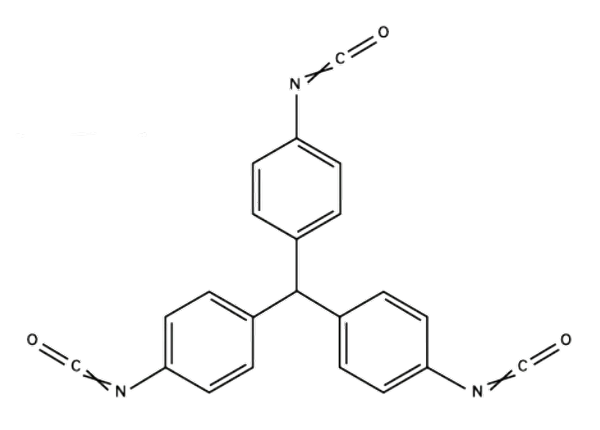
Specialty isocyanates play a vital role in adhesive intermediates and specialty isocyanates. Their reactivity determines how well they form strong covalent bonds during the curing process. The adhesion mechanism relies on isocyanate groups reacting with functional groups on the substrate, such as hydroxyl groups. This reaction creates a polymeric intermediate layer that enhances adhesion and resistance. High reactivity allows specialty isocyanates to bond with a wide range of materials, including metals, plastics, and ceramics. Functional groups present in these compounds improve adhesion and compatibility, especially in applications requiring thermal stability and low moisture absorption. The curing process benefits from low curing temperatures, which help maintain high dielectric material properties and high dielectric strength in high-temperature polymer dielectrics.
Viscosity and Compatibility
Viscosity affects the flow and spreading of adhesive intermediates and specialty isocyanates across different substrates. The table below shows how resin type and viscosity influence compatibility and application:
| Resin Type | Viscosity Range (cP) at 160°C | Flow Behavior |
|---|
| Aliphatic Resins | 500-5,000 | Newtonian flow over shear rates |
| Aromatic Resins | 2,000-20,000 | Slight shear-thinning at high rates |
| Modified Resins | 2-5× higher than unmodified | Increased due to polar interactions |
| Low Melt Viscosity | <3,000 | Critical for spray application |
| High Viscosity | 5,000-15,000 | Better gap-filling in structural adhesives |
Incorporating polar or reactive end groups improves compatibility with various materials. These groups promote chemical bonding, enhance interfacial energy, and introduce hydrogen bonding or ionic interactions during curing. Viscosity also controls surface tension and wetting behavior, which ensures uniform spreading and strong adhesion. Hot melt adhesives require low melt viscosity for effective application and thermal stability.
Material and Substrate Matching
Material selection is crucial for achieving optimal adhesion and resistance. Specialty isocyanates must match the substrate to prevent uncontrolled reactions and ensure low moisture absorption. Moisture-sensitive applications demand careful formulation to maintain thermal stability and polymer dielectrics performance. Health hazards and environmental impact require strict safety measures and regulatory compliance. Shelf life and storage conditions affect the curing process and thermal stability of the polymer. Industries must balance product properties, such as dielectric material properties and high dielectric strength, to meet application needs. Matching adhesive intermediates and specialty isocyanates to the substrate ensures compatibility, durability, and resistance to temperature changes.
Tip: Always consider the substrate and material properties when selecting adhesive intermediates and specialty isocyanates. This approach improves adhesion, thermal stability, and compatibility in demanding environments.
Application Matching by Industry
Automotive and Construction
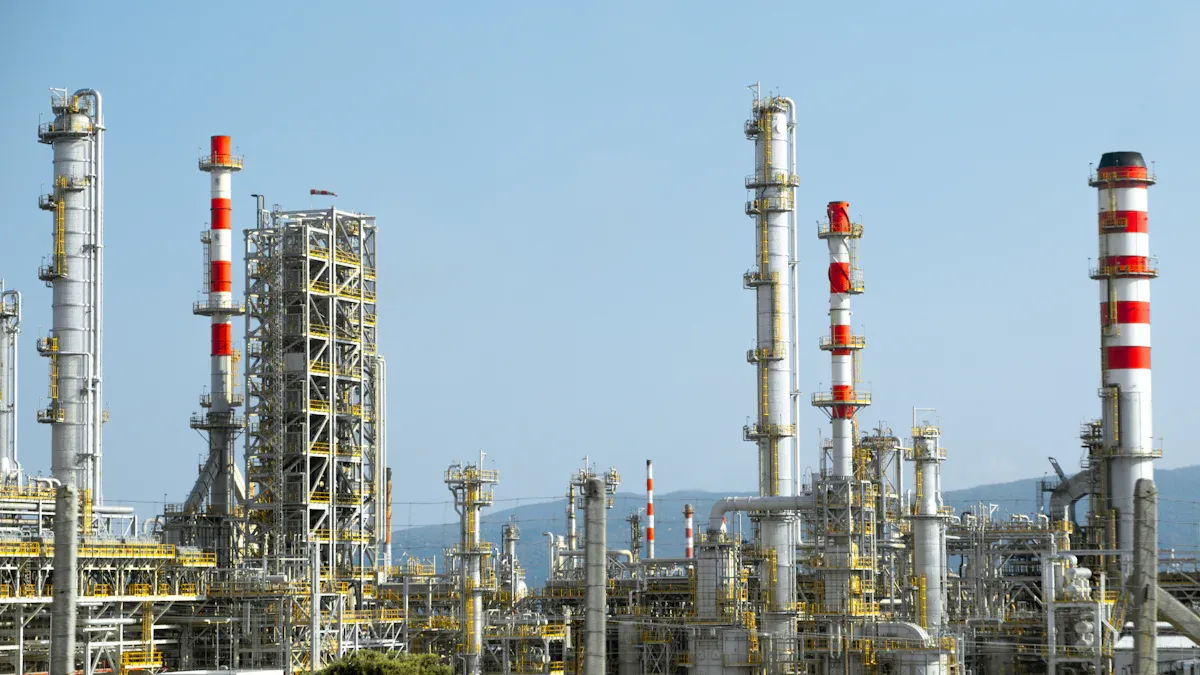
Automotive and construction industries rely on adhesive bonding to join materials that must withstand harsh environments. These sectors face unique challenges when selecting specialty isocyanates. Moisture sensitivity can cause unwanted reactions and degrade products. Temperature control is essential because extreme heat or cold affects the stability of isocyanates. Workers must protect themselves from health risks caused by vapor exposure. Facilities use ventilation and vapor containment systems to reduce these risks. The corrosive nature of some isocyanates makes it difficult to choose materials for storage tanks and equipment. Reactivity can lead to fire and explosion hazards. Regulatory compliance adds complexity, requiring companies to adapt to changing safety and environmental rules. Automotive manufacturers use bonding adhesive for lightweight parts and structural bonding. Construction teams apply bonding techniques to sealants and coatings that resist weather and stress. These industries demand adhesives that deliver permanent bonding and durability.
Electronics and Footwear
Electronics manufacturers depend on adhesive bonding for circuit boards, sensors, and flexible displays. Specialty isocyanates help create bonds that resist heat and moisture. Footwear companies use bonding techniques to attach soles, insoles, and decorative elements. They require adhesives that provide flexibility and comfort. Electronics need adhesives with high dielectric strength and thermal stability. Footwear production benefits from adhesives that cure quickly and maintain strong bonding under repeated stress. Both sectors value bonding adhesives that support efficient manufacturing and product longevity.
Other Industrial Sectors
Many other industries use adhesive bonding to improve product performance. Packaging companies rely on bonding techniques for tamper-proof seals and durable containers. Textile manufacturers use adhesives for waterproof fabrics and functional coatings. Medical device makers depend on bonding adhesive for wound dressings and implant coatings. Specialty isocyanates enable permanent bonding in these applications. Each sector matches adhesive intermediates to specific substrates and performance goals. Companies select bonding solutions that meet regulatory standards and environmental requirements. They focus on adhesives that deliver reliable bonding and long-term durability.
Note: Matching adhesive bonding solutions to industry needs ensures strong bonds, safety, and compliance. Companies benefit from tailored bonding techniques that support efficient production and product quality.
Selection Criteria for Permanent Bonding
Technical Fit and Cost
Selecting the right adhesive for permanent bonding starts with evaluating technical factors. Each material requires careful preparation to achieve high bond quality. Metals such as stainless steel and aluminum need specific cleaning methods. Surface preparation includes abrasive blasting, chemical treatments, and primer application. These steps ensure strong adhesion and reduce the risk of bond failure. Environmental conditions play a major role in adhesive performance. Temperature extremes, UV exposure, moisture, and chemical contact can affect durability. Mechanical stress also impacts the polymer structure and the curing process. Companies must assess these factors to match the adhesive to the application.
Cost-effectiveness depends on the balance between performance and price. Advanced specialty isocyanates offer superior bonding and polymer properties. They support efficient curing and reduce labor costs by eliminating the need for drilling. Lightweight materials improve energy efficiency and simplify manufacturing. Tailored solutions from suppliers enhance performance and durability, making permanent bonding more reliable.
Tip: Evaluate the technical requirements of each material and application. Consider environmental conditions and stress factors to ensure long-term reliability.
Supply Chain and Reliability
A stable supply chain is essential for permanent bonding applications. Industries rely on consistent access to high-quality adhesive intermediates and specialty isocyanates. Shanghai Further New Material Technology Co., Ltd. stands out as a reliable supplier. The company holds ISO 9001:2015 certification, which guarantees adherence to international quality standards. Strict quality control measures cover raw materials, production processes, and shipping logistics. These practices ensure that each adhesive meets performance expectations.
Shanghai Further offers logistics and storage solutions that enhance supply chain reliability. Their commitment to stable supply supports industries that depend on specialty isocyanates for permanent bonding. Customers benefit from tailored solutions that match their specific needs. The company’s advanced R&D and manufacturing capabilities allow for customization and rapid response to changing requirements.
- Stable supply chain ensures uninterrupted production.
- Quality control maintains high bond quality and polymer consistency.
- Logistics solutions improve customer cooperation and delivery times.
- Tailored adhesive options support unique material and bonding challenges.
Environmental and Safety
Environmental and safety considerations shape the selection of adhesive intermediates and specialty isocyanates. Companies must comply with regulations that address temperature-related emissions, VOCs, and chemical handling. Permanent bonding applications require adhesives that minimize environmental impact and protect worker health. Specialty isocyanates with low VOC emissions help reduce air pollution. Proper disposal prevents water and soil contamination.
Safety measures include ventilation systems and protective equipment for workers. Suppliers like Shanghai Further provide adhesives that meet regulatory standards and support safe manufacturing practices. Tailored solutions enable simultaneous sealing and bonding, improving stress distribution and minimizing vibration in the final product. These features enhance long-term reliability and reduce risks.
Note: Choose adhesives that align with environmental standards and safety requirements. Reliable suppliers deliver materials that support compliance and sustainable production.
Avoiding Common Mistakes in Isocyanate Selection
Overlooking Compatibility
Many industries underestimate the importance of compatibility between adhesive intermediates and substrates. Modern preparation techniques focus on controlled surface roughness and enhanced surface energy characteristics. These improvements help achieve better chemical compatibility, which directly affects bonding performance. Adhesion mechanisms depend on substrate compatibility and wetting behavior. Higher surface energy adhesives form stronger bonds with high-energy substrates. Poor compatibility often leads to inadequate bonding performance.
| Factor | Description |
|---|
| Surface Adhesion | Chemical compatibility and surface energy influence the strength of the bond. |
| Mechanical Interlocking | Adhesives penetrate microscopic irregularities, enhancing bond strength. |
| Chemical Interactions | Insufficient chemical interactions can lead to weak joints, affecting overall bonding performance. |
| Surface Treatments | Techniques like mechanical abrasion and chemical etching improve adhesion by enhancing surface properties. |
Tip: Companies should always match adhesive intermediates to the substrate. This approach improves adhesion and ensures reliable bonding.
Ignoring Regulatory Issues
Regulatory compliance plays a critical role in specialty isocyanate selection. Ignoring these issues can lead to severe health risks. Workers exposed to isocyanates may develop irreversible occupational illnesses such as asthma. Occupational asthma from isocyanate exposure is often preventable. Many workers suffer due to inadequate safety measures. Effective control measures must include training, hazard communication, and regular monitoring.
- Regulatory oversight protects worker health.
- Safety measures reduce the risk of occupational illnesses.
- Compliance ensures safe manufacturing environments.
Note: Companies must prioritize regulatory compliance to protect employees and maintain industry standards.
Underestimating Supply Chain Risks
Supply chain stability determines the success of adhesive bonding applications. Many companies overlook the risks associated with unreliable suppliers. Disruptions in supply can halt production and affect product quality. Reliable suppliers like Shanghai Further New Material Technology Co., Ltd. provide consistent access to high-quality adhesive intermediates and specialty isocyanates. Their robust logistics and quality control systems support uninterrupted manufacturing.
- Stable supply chains prevent production delays.
- Quality assurance maintains adhesive performance.
- Reliable logistics ensure timely delivery.
Alert: Companies should evaluate supplier reliability and logistics before finalizing adhesive selection. This step reduces risks and supports long-term success.
Sourcing and Testing Steps
Supplier Evaluation
Selecting the right supplier for specialty isocyanates shapes the success of any adhesive application. Companies should look for partners who deliver consistent quality, offer customization, and maintain a stable supply. Shanghai Further New Material Technology Co., Ltd. stands out as a supplier with advanced R&D and manufacturing capabilities. When evaluating suppliers, companies should consider several key factors:
- Stability: Isocyanates react easily with moisture. Suppliers must ensure proper storage and handling to prevent quality issues like foaming or reduced polymerization efficiency.
- Quality Control: High purity and consistent composition are essential. Suppliers should have robust quality control systems to guarantee product performance.
- Handling Safety: Isocyanates can be toxic. Suppliers must follow strict safety protocols to protect workers and minimize production risks.
- Environmental Impact: Responsible suppliers manage emissions and comply with environmental regulations. Their practices should support sustainable manufacturing.
Tip: A reliable supplier like Shanghai Further provides not only high-quality products but also technical support and tailored solutions for unique industry needs.
Lab and Scale-Up Testing
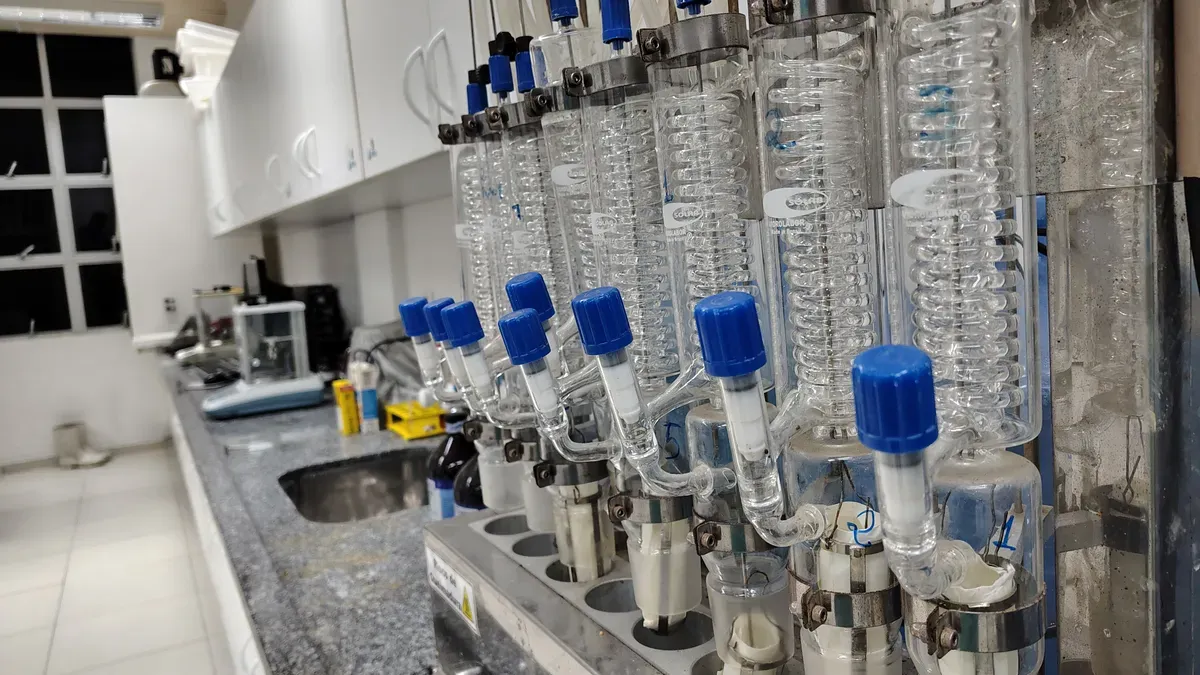
Testing adhesive intermediates and specialty isocyanates in the lab ensures that products meet performance and safety standards before full-scale production. Companies should follow a systematic approach to minimize risks and achieve consistent results:
- Segregate raw material lots, especially for critical inputs such as catalysts and isocyanates, to prevent cross-contamination.
- Set two levels of quality limits: internal action limits for early detection and customer release limits to ensure compliance.
- Validate cleaning and line clearance on shared equipment to avoid contamination between batches.
- Perform stability checks at multiple intervals, including initial release, 7 days, 14 days, and at the end of shelf life.
This process helps companies identify potential issues early and ensures that adhesive systems perform reliably in real-world applications.
Note: Careful sourcing and thorough testing protect product quality and support long-term success in demanding industries.
A systematic approach to selecting adhesive intermediates and specialty isocyanates ensures that product properties match application needs. Manufacturers who tailor adhesives for specific substrates achieve stronger, more reliable bonds. Collaboration with trusted suppliers supports compliance and high performance. Leading companies invest in advanced safety and monitoring systems, which help meet regulatory standards. Careful selection brings long-term benefits:
- Improved adhesive and permanent bonding
- Better compliance with environmental rules
- Greater cost-effectiveness and durability
| Adhesive Type | Key Chemistry | Benefits |
|---|
| Polyurethanes | Diisocyanates with polyols | Flexibility, impact resistance, vibration absorption |
| Epoxy Systems | Oxirane ring-opening | High strength, heat stability, resistance |
FAQ
What are specialty isocyanates used for?
Specialty isocyanates help create strong, durable bonds in adhesives, coatings, sealants, and elastomers. Industries like automotive, construction, electronics, and footwear use them to improve product performance and reliability.
How does Shanghai Further ensure product quality?
Shanghai Further uses advanced R&D, strict quality control, and ISO 9001:2015 certification. They monitor raw materials, production, and logistics to deliver consistent, high-quality adhesive intermediates and specialty isocyanates.
Why is substrate compatibility important?
Substrate compatibility ensures that adhesives bond well with different materials. Good compatibility prevents weak joints and improves durability. Companies should always match adhesive intermediates to the substrate for the best results.
How can companies test specialty isocyanates before full production?
Companies start with lab-scale testing. They check performance, stability, and safety. After successful lab tests, they move to pilot or scale-up trials. This process helps identify issues early and ensures reliable results in real-world applications.

 English
 English
  Spanish
  Russian
  Arabic
  French
  German
  Portuguese
  Turkish
  Dutch
Dutch  Polish
  Korean
  Vietnamese
  Indonesian
 18. Aug, 2026