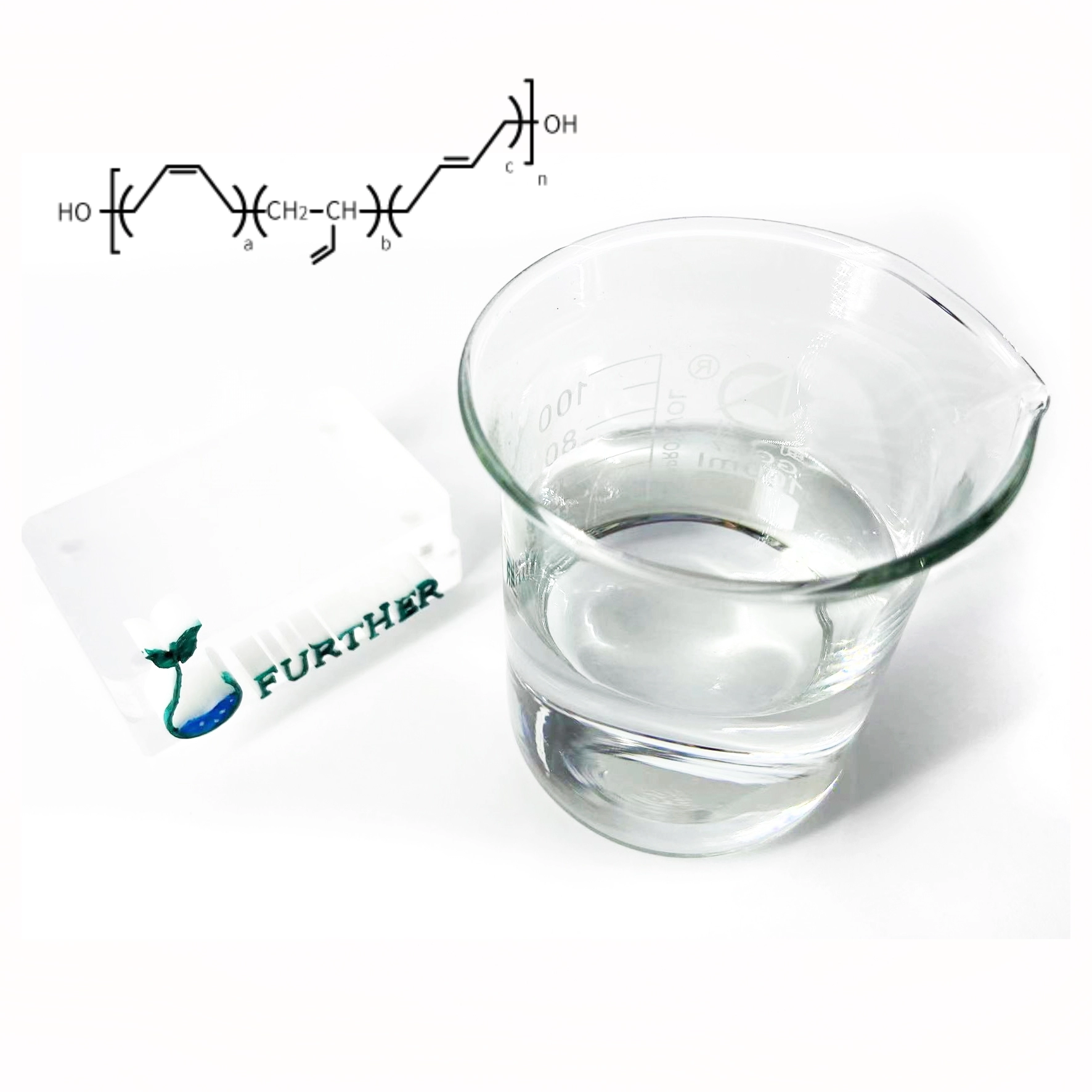
Liquid rubber has become one of the most important building blocks in modern polyurethane technology. Instead of relying on a single polymer, manufacturers now choose different types of reactive liquid rubber to improve flexibility, toughness, adhesion, chemical resistance, or low-temperature performance.
The challenge is that no single material performs best in every polyurethane formulation. A liquid rubber designed for structural adhesives may not be the right option for elastomers, while materials developed for epoxy modification often behave differently in polyurethane systems.
Understanding the characteristics of each reactive liquid rubber helps engineers, formulators, and purchasing teams select materials that deliver the required balance of processing efficiency and long-term performance.
Why Liquid Rubber Matters in Polyurethane Formulations
Liquid rubber acts as more than a simple additive. It becomes part of the polymer network during curing, influencing both processing behavior and the final mechanical properties of the polyurethane system.
Compared with conventional polymers, reactive liquid rubber can help manufacturers achieve:
- Better impact resistance
- Improved flexibility
- Higher fatigue resistance
- Reduced internal stress
- Better crack propagation resistance
- Enhanced adhesion to multiple substrates
- Improved low-temperature performance
Different functional groups create different chemical reactions, making material selection one of the most important steps in polyurethane formulation.
Understanding the Main Types of Reactive Liquid Rubber
Several liquid rubber families are commonly used in polyurethane manufacturing. Although they belong to the same category, each material is designed for different objectives.
| Material | Functional Group | Typical Strength |
|---|
| HTPB | Hydroxyl | Flexibility and polyurethane compatibility |
| CTBN | Carboxyl | Toughening and impact resistance |
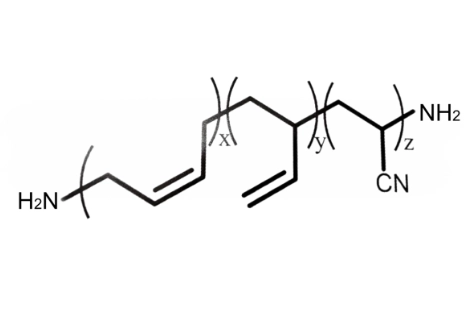
| ATBN | Amino | Fast reaction and epoxy modification |
| HTBN | Hydroxyl | Chemical resistance and flexibility |
| CTPB | Carboxyl | Low-temperature toughness |
| LPB | None | Plasticizing and flexibility |
| EPB | Epoxy | Resin modification |
Instead of comparing products by price alone, formulators should evaluate how each reactive group participates in the curing reaction.
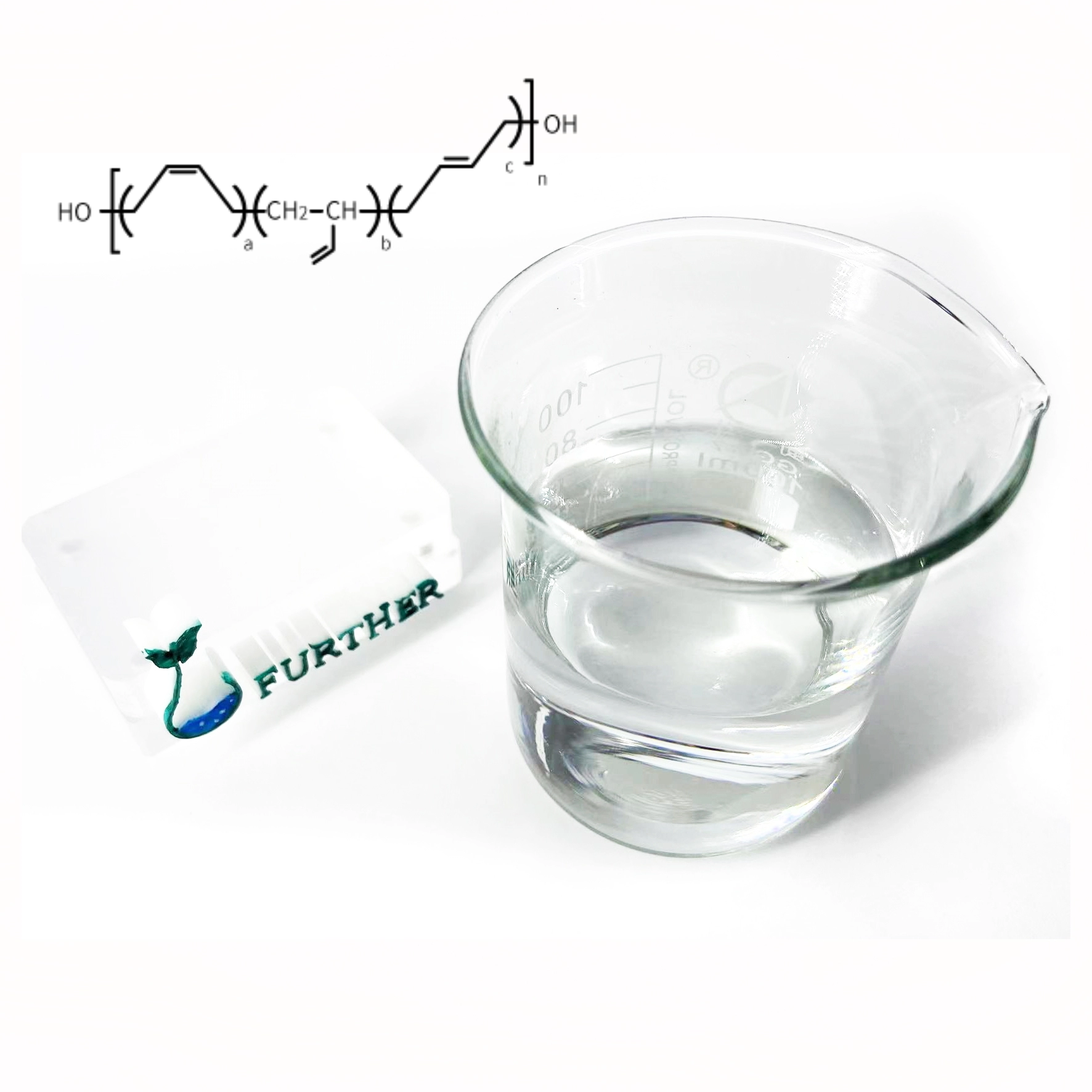
When HTPB Is the Better Choice
For polyurethane systems, Hydroxyl-Terminated Polybutadiene (HTPB) remains one of the most widely used reactive liquid rubbers because its hydroxyl groups react directly with isocyanates.
HTPB is frequently selected when manufacturers need:
- Excellent flexibility
- High elongation
- Low-temperature elasticity
- Moisture resistance
- Long fatigue life
These characteristics explain why HTPB appears in polyurethane elastomers, sealants, coatings, composite materials, and aerospace formulations.
Rather than maximizing hardness, HTPB focuses on maintaining mechanical performance under repeated deformation.
Where CTBN Delivers Better Performance
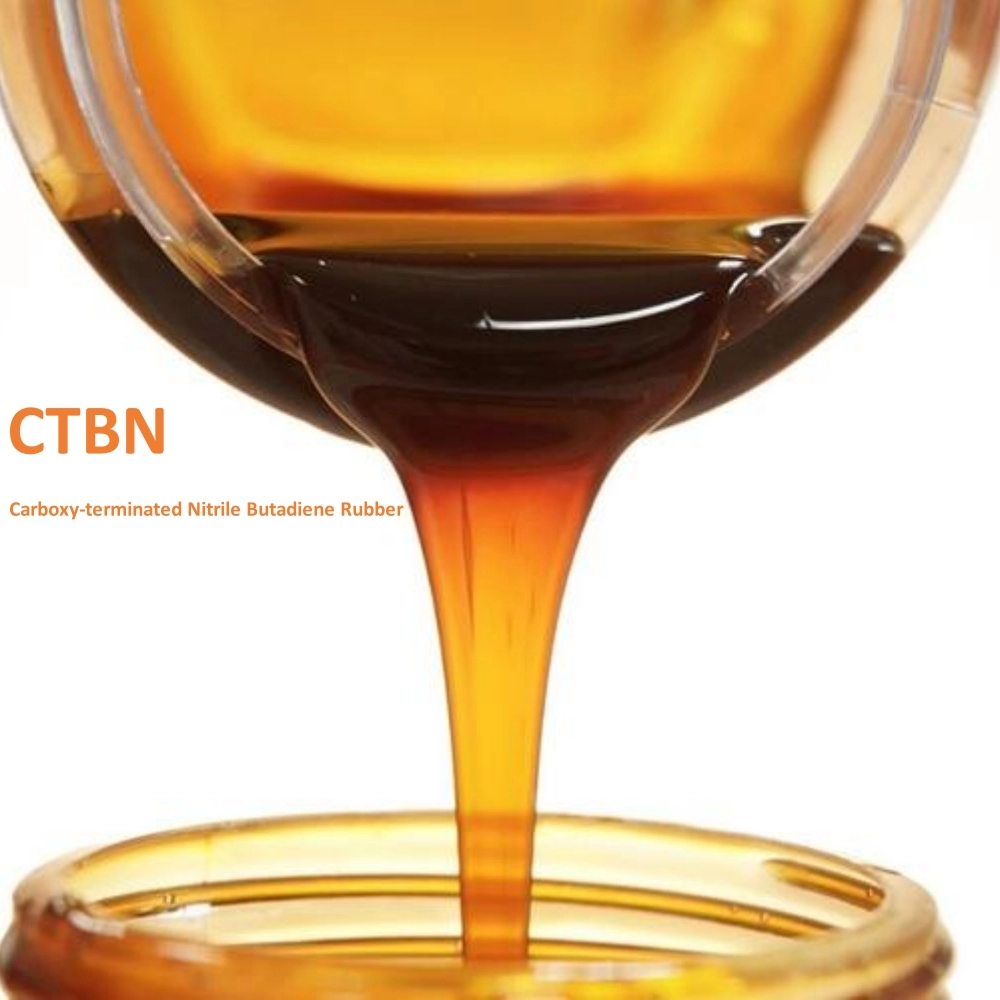
When impact resistance becomes the primary objective, Carboxyl-Terminated Nitrile Butadiene Rubber (CTBN) often provides better results than standard polybutadiene materials.
CTBN is widely used for:
- Epoxy toughening
- Structural adhesives
- Electronic encapsulation
- Composite materials
- High-impact industrial components
Its nitrile structure contributes to better oil resistance while the carboxyl groups improve compatibility with many resin systems.
Many epoxy formulations rely on CTBN to reduce brittleness without significantly sacrificing mechanical strength.
ATBN for Fast-Reaction Systems
Some applications require higher chemical activity during curing. In these situations, ATBN (Amino-Terminated Nitrile Butadiene Rubber) becomes an attractive option.
Compared with hydroxyl-terminated materials, amino-functional liquid rubber reacts much faster with epoxy systems.
Typical applications include:
- Structural composites
- High-performance adhesives
- Protective coatings
- Electronic materials
Its rapid reaction rate makes it suitable for formulations where production efficiency is important.
Why HTBN Is Selected for Chemical Resistance
Although HTBN shares similarities with HTPB, its nitrile backbone gives it additional resistance to oils, fuels, and aggressive chemicals.
Engineers frequently specify HTBN when products operate in:
- Industrial equipment
- Automotive systems
- Chemical processing
- Fuel-resistant elastomers
For applications exposed to harsh chemical environments, HTBN often provides better long-term durability than conventional liquid rubber.
CTPB for Low-Temperature Toughness
Certain polyurethane systems operate under extremely low temperatures where conventional polymers gradually lose flexibility.
Carboxyl-Terminated Polybutadiene (CTPB) helps maintain toughness under these conditions.
Typical applications include:
- Cryogenic equipment
- Outdoor infrastructure
- Flexible sealants
- Specialty elastomers
Its molecular structure reduces crack formation during repeated thermal cycling, extending service life in demanding environments.
Factors to Consider Before Selecting Liquid Rubber
Choosing the right liquid rubber requires more than comparing technical data sheets. Manufacturers should evaluate several practical factors before finalizing a formulation.
Polymer Compatibility
The selected liquid rubber must react efficiently with the surrounding resin system. Poor compatibility can reduce curing efficiency and mechanical performance.
Functional Groups
Hydroxyl, amino, carboxyl, and epoxy groups participate in different chemical reactions. Selecting the appropriate functionality determines how the liquid rubber integrates into the polymer network.
Mechanical Requirements
Different applications prioritize different properties.
For example:
- Elastomers require flexibility.
- Structural adhesives emphasize toughness.
- Coatings focus on durability.
- Composite materials balance stiffness and impact resistance.
Processing Conditions
Production temperature, viscosity requirements, pot life, and curing speed should all influence material selection.
Long-Term Service Environment
Products exposed to moisture, chemicals, UV radiation, or cyclic loading require liquid rubber specifically designed for those conditions.
Why Application Should Drive Material Selection
One common mistake is assuming that one liquid rubber can replace every other reactive polymer.
In practice, formulation objectives determine material choice.
A polyurethane elastomer designed for repeated mechanical deformation has very different requirements from an epoxy adhesive used in electronic encapsulation.
Likewise, an industrial coating exposed to sunlight demands different properties than a flexible sealant operating in low-temperature environments.
Successful formulations begin by understanding application requirements rather than selecting materials solely based on familiarity.
Building Better Polyurethane Systems Through Material Selection
Reactive liquid rubber continues to play an increasingly important role in advanced polyurethane materials. As manufacturers pursue lighter, stronger, and longer-lasting products, selecting the appropriate polymer becomes just as important as choosing the curing agent or isocyanate.
Whether the goal is greater flexibility with HTPB, improved toughness with CTBN, faster curing with ATBN, enhanced chemical resistance with HTBN, or better low-temperature performance with CTPB, each material offers distinct advantages within the right polyurethane system.
Working with a supplier that offers multiple reactive liquid rubber technologies allows formulators to compare materials, optimize performance, and develop polyurethane systems that meet both technical requirements and production goals.
FAQ
Can one liquid rubber replace all others?
No. Each reactive liquid rubber has different functional groups and is designed for specific performance targets. Material selection should always match the application and resin chemistry.
Which liquid rubber is best for polyurethane?
HTPB is one of the most widely used options because its hydroxyl functionality reacts directly with isocyanates, making it highly compatible with polyurethane systems.
Why is CTBN commonly used in epoxy formulations?
CTBN improves toughness and impact resistance while reducing brittleness, making it a popular modifier for structural epoxy adhesives and composite materials.
What should manufacturers consider when selecting liquid rubber?
Important factors include resin compatibility, reactive functional groups, processing conditions, mechanical performance requirements, environmental exposure, and long-term durability.

 English
 English
  Spanish
  Russian
  Arabic
  French
  German
  Portuguese
  Turkish
  Dutch
Dutch  Polish
  Korean
  Vietnamese
  Indonesian
 15. Sep, 2026