 English
 English
  Spanish
  Russian
  Arabic
  French
  German
  Portuguese
  Turkish
  Dutch
Dutch  Polish
  Korean
  Vietnamese
  Indonesian

 Online Consultation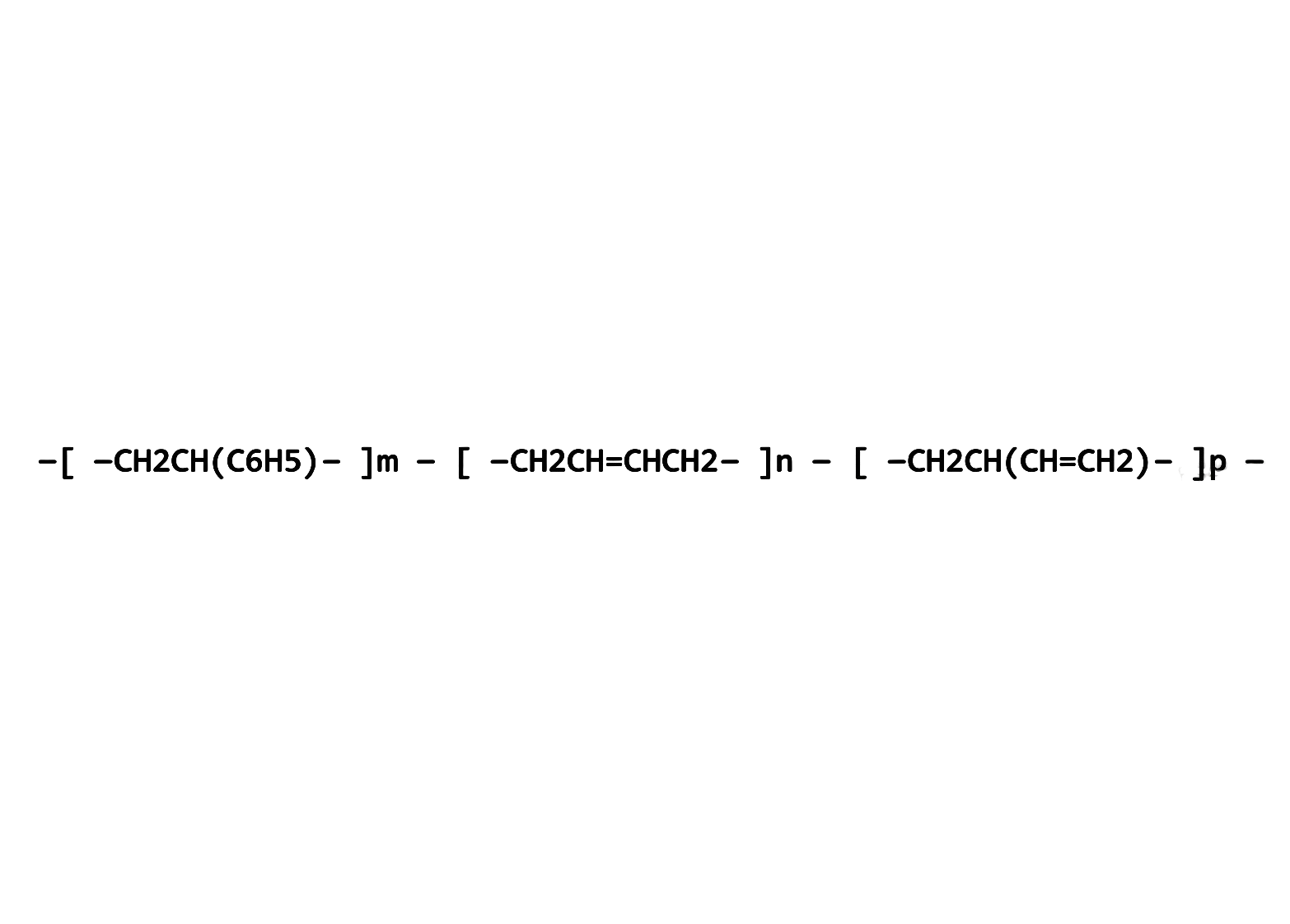
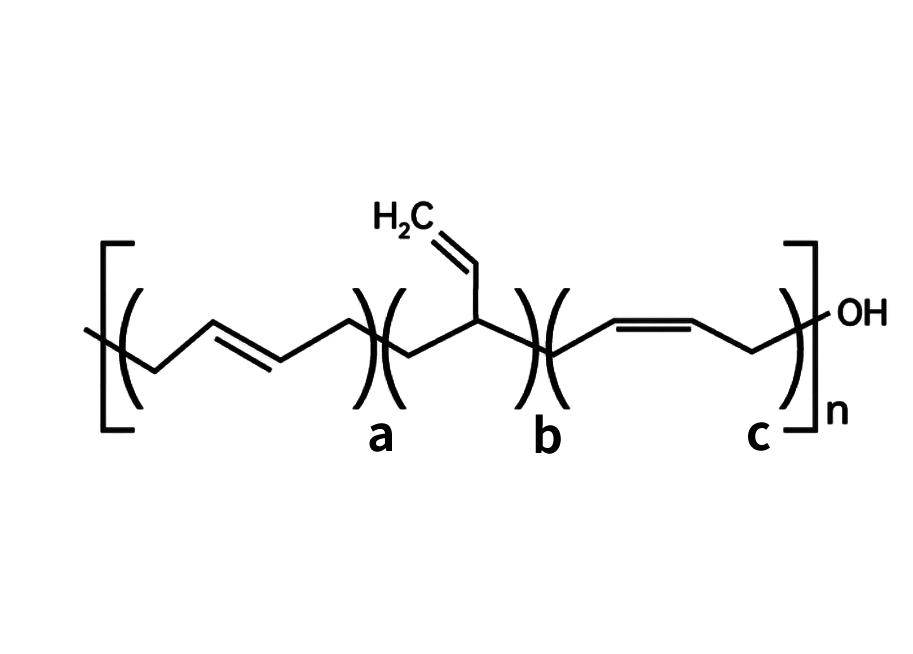
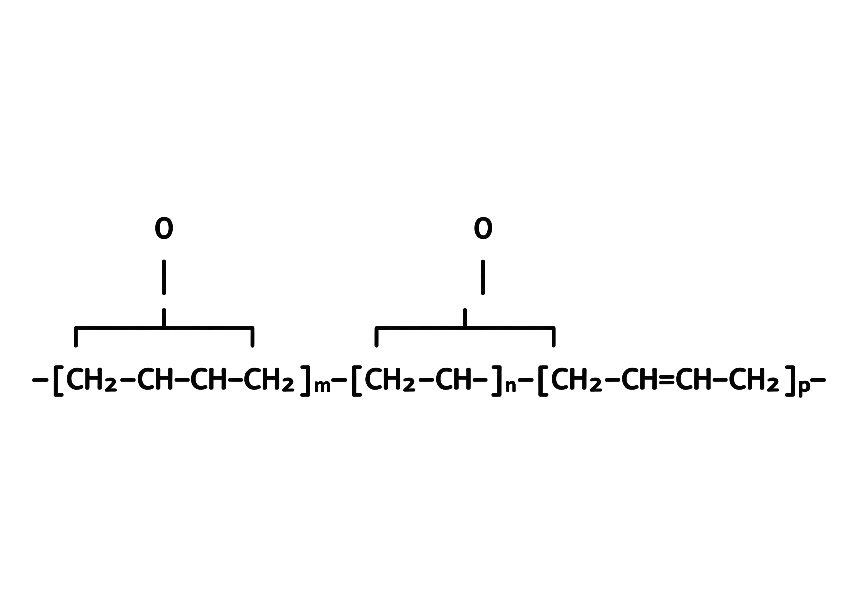
LSBR (Liquid Styrene Butadiene Rubber(LSBR) CAS No.9003-55-8 )
Liquid Butadiene Styrene Rubber
LSBR
CAS No.9003-55-8
Read More
Online Service

 Mobile/Wechat/Telegram: +86-18321679576
 WhatsApp:+86-13248126998
 Email:young@further-chem.com
Email:info@further-chem.com
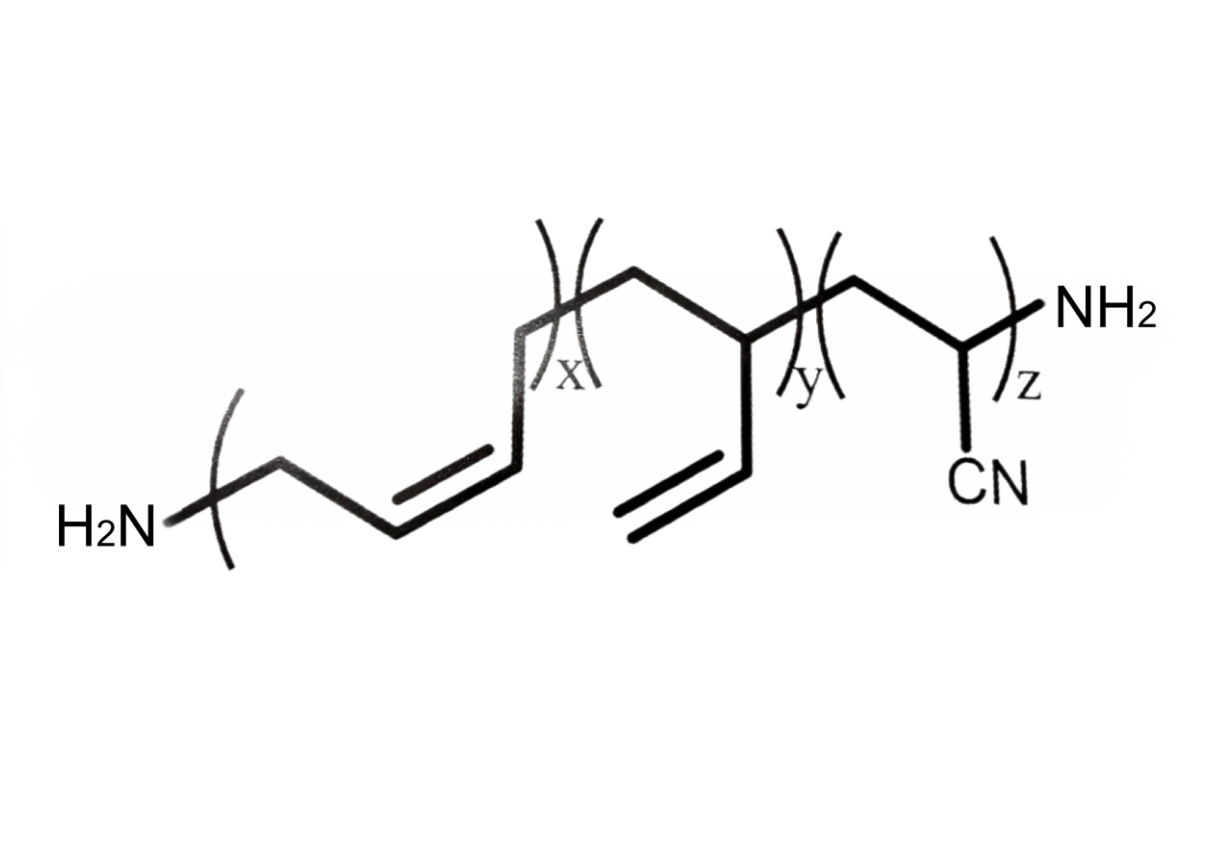
Amino-terminated liquid nitrile butadiene rubber
ATBN
CAS No. 68683-29-4
Chemical Name: Amino-terminated liquid nitrile butadiene rubber
Synonyms: Poly (acrylonitrile-co-butadiene), amine terminated
Code: ATBN
CAS No. 68683-29-4
Product Description
ATBN is a liquid nitrile rubber with amino functional groups at both ends of its molecular chain. It can be cured with isocyanate curing agents and can also react and cure with epoxy groups.
It exhibits excellent oil, heat and abrasion resistance, as well as strong adhesion. When used to toughen epoxy resins, it can reduce their gelation temperature and curing temperature.
Product properties & Features
ATBN is a telechelic polymer with a main chain composed of butadiene and acrylonitrile, featuring amino functional groups at both ends. Due to the incorporation of polar nitrile groups (-CN) and reactive terminal amino groups, ATBN possesses the following core characteristics:
High reactivity: Amino groups react directly with epoxy resins, isocyanates, acid anhydrides (no extra catalyst needed).
Excellent oil/heat/abrasion resistance: Retains properties of solid nitrile rubber; resistant to mineral oils, fuels, lubricants; good thermal stability.
Strong adhesion: High interfacial bonding to metals, plastics, composites.
Low-temperature flexibility: Low Tg; maintains elasticity and impact resistance at low temperatures.
ATBN vs CTBN vs HTBN Comparison
| Item | ATBN | CTBN | HTBN |
|---|---|---|---|
| End group | Amino (–NH₂) | Carboxyl (–COOH) | Hydroxyl (–OH) |
| Reactivity | Highest (direct reaction) | Moderate (catalyst needed) | Moderate (catalyst needed) |
| Reaction Method with Epoxy | Direct reaction | Direct reaction | Requires indirect reaction via isocyanate prepolymer |
| Acrylonitrile Content | 10%-28% (Customizable) | 8%-28% (Customizable) | 10%-28% (Customizable) |
| Impact Strength Improvement | Excellent, up to 955% | Excellent, up to 3-4 times | ~50% (at 5% addition) |
| Main Advantage | Highest reactivity; minimal effect on Tg | Most mature and stable industrial application | High cost-performance ratio; suitable for polyurethane systems |
| Typical Applications | Fast-curing systems, high-performance adhesives, electronic encapsulation | Epoxy toughening, structural adhesives, composites | Polyurethane elastomers, propellant insulation layers, adhesives |
Applications
1. Epoxy Toughening
Function: Reactive toughener for epoxies (alternative to CTBN) can Significantly improves peel strength, impact strength, low-temperature toughness, and humidity resistance; lowers curing temperature.
Performance: At 20% ATBN loading, epoxy tensile strength ↑ 77%, peel strength ↑ 98%, impact strength = 18.73 kJ/m².
Uses: Structural adhesives, composite matrices, electronic potting compounds, wind turbine blade adhesives.
2. Polyurethane (PU) Materials
Reacts with isocyanates (MDI/TDI) to make oil-resistant PU elastomers, seals, rollers, hoses; better oil resistance, abrasion resistance, and low-temperature elasticity than standard PU.
Used in solvent-free room-temperature-cure adhesives for bonding metals, rubbers, plastics; for automotive/construction equipment sealing & assembly.
3. Oil-Resistant / Anti-Corrosion Seals
Automotive: Oil seals, O-rings, chassis seals, fuel hose liners; resistant to –40°C to 120°C and fuel/engine oil attack.
Industrial: Hydraulic seals, chemical gaskets, oilfield packer elements; resistant to acids, alkalis, salt spray, and organic solvents.
4. Electronic / Electrical Potting & Insulation
Makes insulating potting compounds & sealants for high-voltage components, sensors, power modules; moisture-proof, shock-resistant, weatherable, excellent electrical insulation (volume resistivity ~10¹⁴ Ω·m).
5. Composites & Aerospace
Impact modifier for aerospace structural parts; insulation/coating layers for solid rocket motors; sealants for missile components; withstands extreme environments, high mechanical performance.
6. Rubber & Plastic Modification
As a reactive plasticizer for nitrile, neoprene, butyl rubbers; improves processability, enhances interfacial adhesion, suppresses migration.
Modifies PVC, nylon; replaces DOP/DBP; solves plasticizer migration; improves oil & cold resistance.
Packing & Storage
50kg/plastic drum or 180kg/metal drum packaging.
The shelf life is 12 months, after the expiration of the re-inspection can still be used.
Avoid rain and sun during transportation. Do not mix with strong oxidants.
Technical Index
| Item | ATBN-1 | ATBN-2 | ATBN-3 |
| Amine value,mmol/g | 1.0-1.8 | 1.0-1.8 | 1.8-2.5 |
| Viscosity (27℃,Pa.S) | ≤300 | ≤600 | ≤200 |
| Acrylonitrile content,% | 10-22 | 22-28 | 10-22 |
| Molecular weight | 3000-5000 | 3000-5000 | 3000-5000 |
By submitting this form, you consent to the storage of your data and
your interests in order to answer your enquiry. Further
information
on data processing, your rights and revocation can be found in our
privacy policy.