When engineers develop adhesives, sealants, coatings, composites, or polyurethane elastomers, material selection has a direct impact on product performance, manufacturing efficiency, and long-term reliability. Choosing a supplier is therefore more than comparing specifications. Consistent quality, application knowledge, production capability, and technical support often determine whether a formulation succeeds in commercial production.
Shanghai Further New Material Technology Co., Ltd. specializes in liquid rubber materials and specialty chemical intermediates used in polyurethane, epoxy, adhesive, composite, coating, and electronic material industries. Rather than supplying only standard products, the company works with customers to match material properties with specific formulation requirements, helping manufacturers improve processing stability and final product performance.
Over the years, Shanghai Further New Material Technology Co., Ltd. has built a product portfolio covering hydroxyl-terminated polybutadiene, carboxyl-terminated liquid rubber, hydrogenated derivatives, epoxidized derivatives, nitrile liquid rubbers, and specialty isocyanates. These materials are supplied to customers developing industrial adhesives, electronic encapsulation systems, waterproof coatings, aerospace materials, mining explosives, structural composites, and many other high-performance applications.
A Product Portfolio Built Around Liquid Rubber Chemistry
Instead of focusing on a single polymer family, Shanghai Further New Material Technology Co., Ltd. develops several complementary liquid rubber technologies. This allows formulation engineers to select materials according to curing systems, mechanical requirements, environmental exposure, and processing conditions.
The company's main product portfolio includes:
- HTPB (Hydroxyl-Terminated Polybutadiene) for polyurethane elastomers, waterproof coatings, propellants, adhesives, and sealants.
- Hydrogenated HTPB, developed for applications requiring better UV resistance, thermal stability, weatherability, and optical clarity.
- Epoxidized HTPB, offering higher polarity, stronger adhesion, and compatibility with epoxy resin systems.
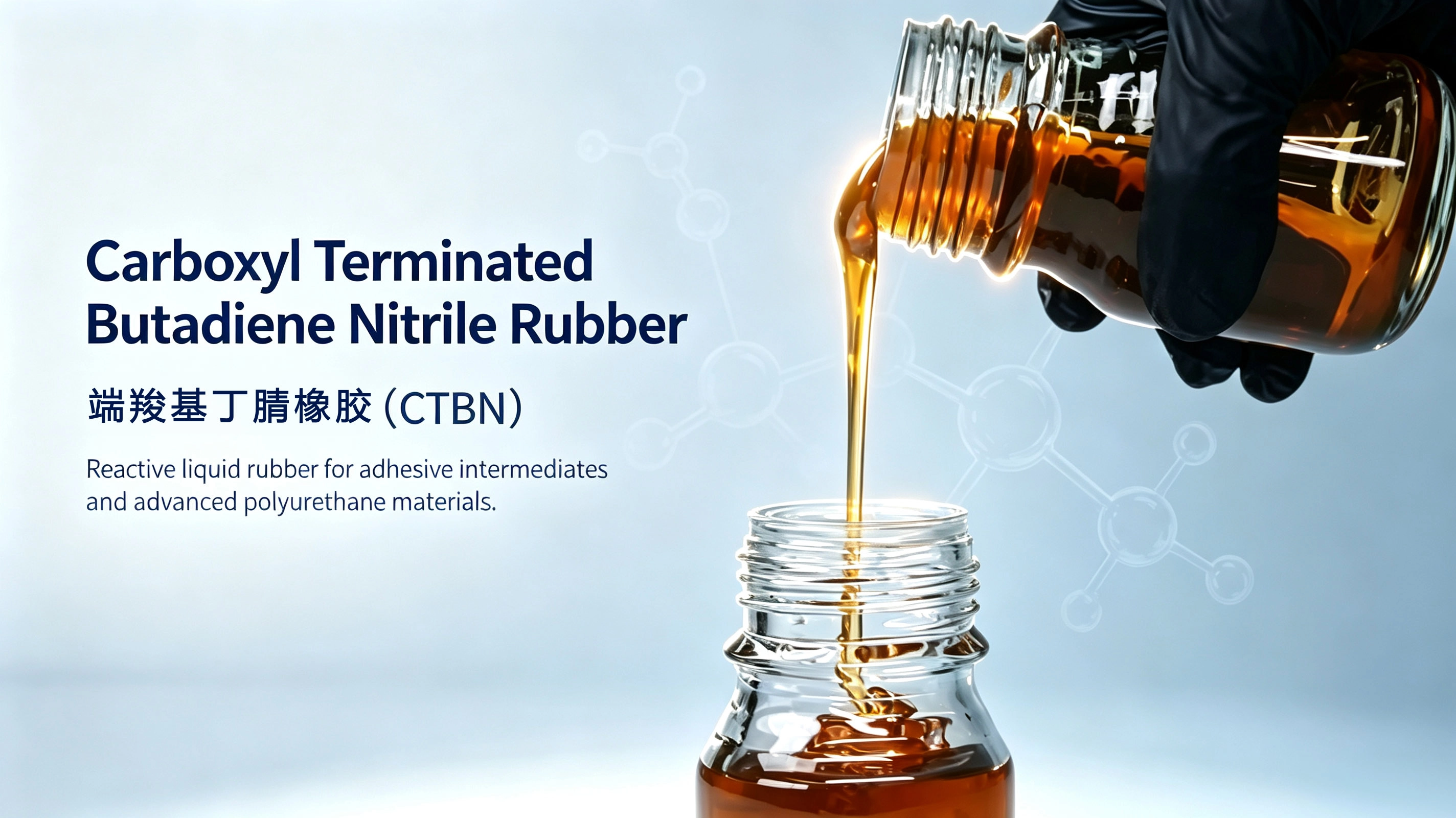
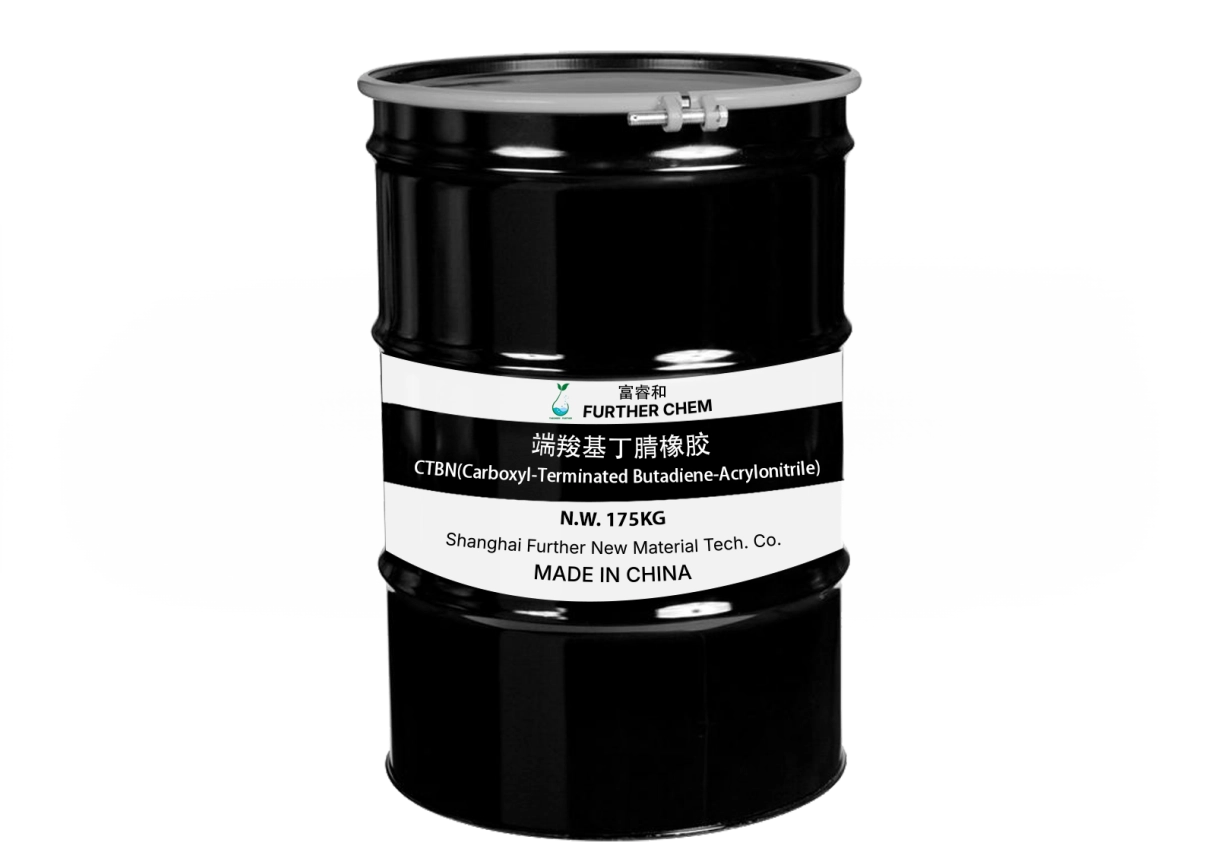
- CTBN Toughening Agent, widely used to improve the fracture toughness and impact resistance of epoxy resins.
- CTPB, suitable for energetic materials, polyurethane modification, and specialty elastomers.
- ATBN and HTBN, designed for advanced adhesive systems and flexible polymer modification.
- Specialty Isocyanates, including DDI, CHDI and RFE, for demanding polyurethane and adhesive formulations.
Rather than offering isolated products, these materials form an integrated material platform that supports different polymer systems throughout product development.
Why Formulation Engineers Choose Different Liquid Rubber Systems
Many industrial polymers exhibit excellent hardness or strength but become brittle after curing. Others provide flexibility but sacrifice heat resistance or adhesion. Selecting the appropriate liquid rubber modifier allows engineers to balance these conflicting properties instead of optimizing only one performance index.
For example, HTPB remains one of the preferred choices for flexible polyurethane systems because of its low glass transition temperature and excellent hydrolysis resistance. When outdoor durability becomes more important, hydrogenated HTPB offers better resistance to ultraviolet exposure by removing unsaturated double bonds from the polymer backbone.
Epoxidized HTPB introduces reactive epoxy groups that improve compatibility with epoxy matrices while increasing adhesion to metals and glass. For structural epoxy adhesives, CTBN creates dispersed rubber domains that absorb impact energy and reduce crack propagation without significantly changing processing methods.
Each material addresses a different engineering challenge, which is why formulation development rarely depends on a single polymer.
From Laboratory Development to Stable Production
Material consistency is often more important than achieving the highest laboratory performance. A formulation developed using inconsistent raw materials can lead to viscosity fluctuations, curing variations, or unexpected mechanical properties during scale-up.
Shanghai Further New Material Technology Co., Ltd. places considerable emphasis on production stability throughout manufacturing. Raw materials are controlled before production begins, processing conditions are monitored during synthesis, and finished products are evaluated before shipment. Parameters such as hydroxyl value, molecular weight distribution, viscosity, moisture content, acid value, and appearance are verified according to the requirements of each product family.
This approach helps customers maintain formulation repeatability when production moves from laboratory batches to commercial manufacturing, reducing unnecessary reformulation work and improving production efficiency.
Supporting Different Industries with Specialized Materials
Although liquid rubber chemistry follows common polymer principles, the performance priorities vary widely between industries.
In protective coatings, flexibility and weather resistance often determine coating life. Waterproofing systems require long-term hydrolysis resistance and durable elasticity. Electronic encapsulation materials need low internal stress during curing while maintaining electrical insulation properties. Structural adhesives focus on impact resistance, peel strength, and long-term fatigue performance. Composite manufacturers seek better toughness without excessive weight increases, while mining and energetic materials require binder stability under demanding environmental conditions.
Because of these different priorities, Shanghai Further New Material Technology Co., Ltd. works with customers to recommend materials based on application requirements instead of promoting identical solutions across every industry.
Technical Collaboration Beyond Material Supply
Selecting a liquid rubber is only one part of formulation development. Processing temperature, curing agents, catalyst selection, mixing sequence, viscosity control, filler compatibility, and storage conditions all influence final product performance.
For this reason, many customers cooperate with Shanghai Further New Material Technology Co., Ltd. throughout material evaluation rather than only during procurement. Technical discussions often include compatibility testing, formulation optimization, application recommendations, and customized product specifications where required.
This collaborative approach shortens development cycles while helping manufacturers reduce technical risks before full-scale production.
Building Long-Term Value Through Material Innovation
The demand for higher-performance polymers continues to grow as industries seek lighter structures, longer service life, and improved environmental resistance. New generations of liquid rubber materials are expected to play an increasingly important role in adhesives, coatings, composite materials, electronics, renewable energy, transportation, and advanced manufacturing.
By continuously expanding its liquid rubber product portfolio and supporting customers with application-oriented material solutions, Shanghai Further New Material Technology Co., Ltd. has established itself as a reliable manufacturing partner for companies developing high-performance polymer systems. Whether the requirement involves standard HTPB, advanced derivatives, epoxy toughening agents, or specialty isocyanates, the company's focus remains the same: providing materials that perform consistently in real industrial applications rather than only on specification sheets.

 English
 English
  Spanish
  Russian
  Arabic
  French
  German
  Portuguese
  Turkish
  Dutch
Dutch  Polish
  Korean
  Vietnamese
  Indonesian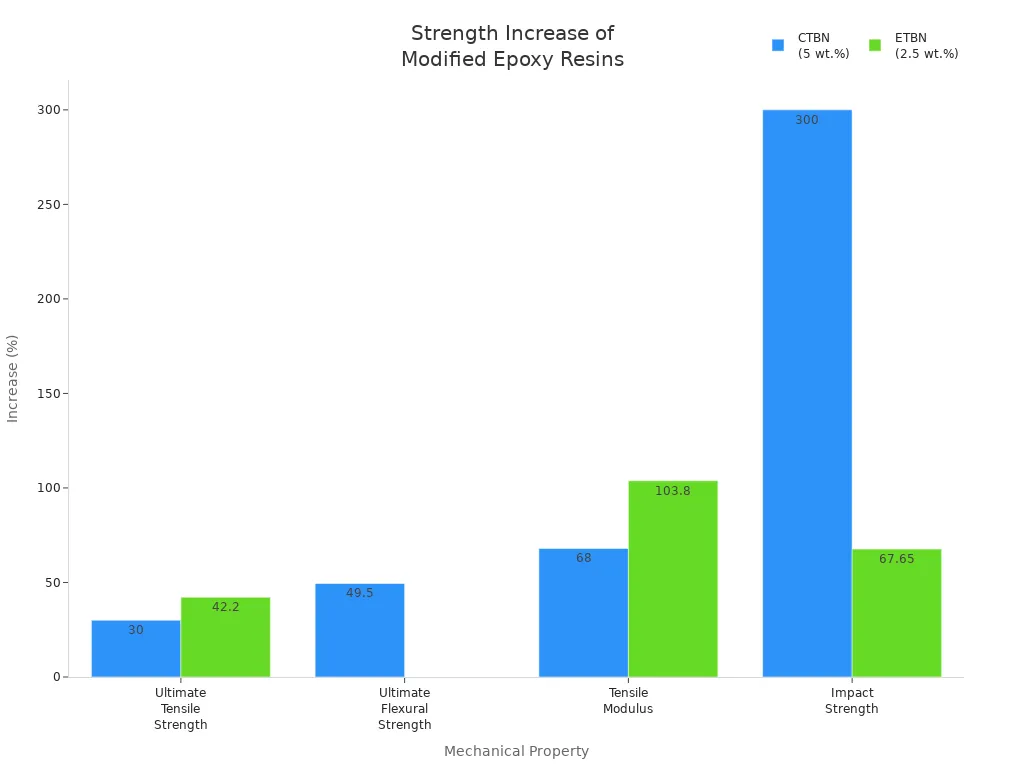
 01. Jul, 2026