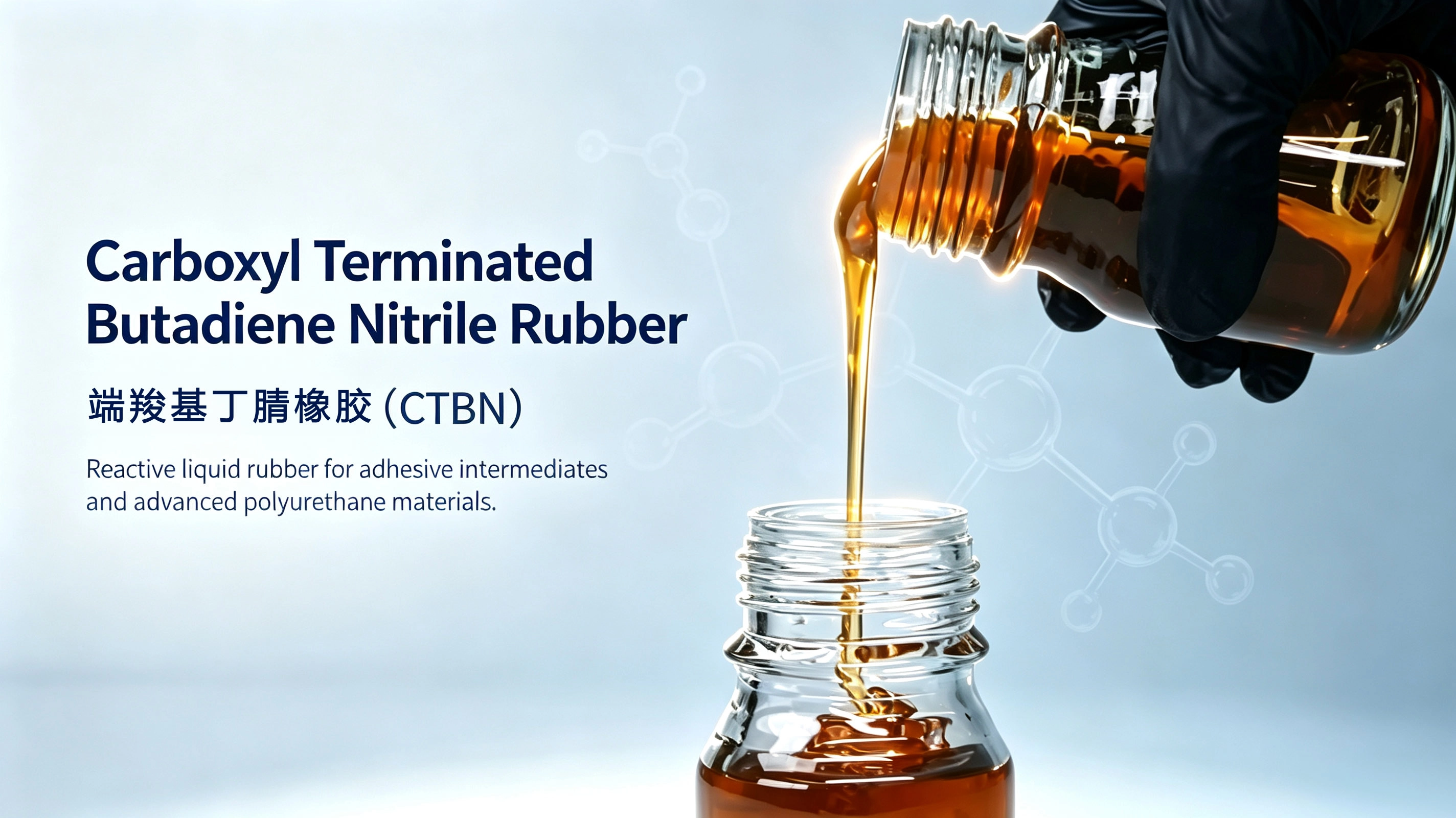
You often face challenges with isocyanates like MDI, such as moisture sensitivity and safety concerns. The unique structure of DDI (CAS 68239-06-5) gives you greater flexibility and performance. When you choose DDI, you experience the real advantages of DDI (CAS 68239-06-5) vs MDI in your applications.
· DDI (CAS 68239-06-5) offers superior moisture resistance, reducing the risk of foaming and weak spots in polyurethane products.
· Using DDI allows for greater compatibility with various materials, expanding your options for product design and formulation.
· DDI provides a safer alternative to MDI, with low toxicity and minimal odor, ensuring a healthier work environment.
Common Problems with MDI and How DDI (CAS 68239-06-5) Solves Them
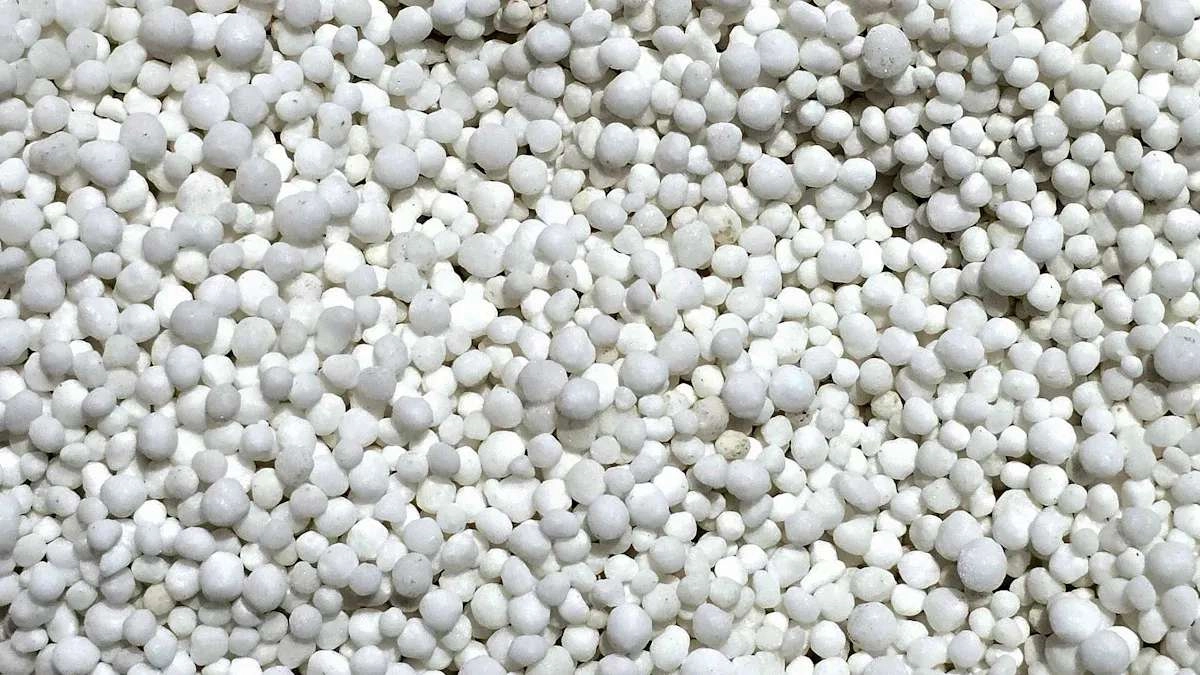
Image Source: unsplash
Moisture Sensitivity and Handling Risks
You may notice that MDI often reacts quickly with water. This reaction can cause foaming, weak spots, and even pressure build-up during processing. These problems make it hard to control the final quality of your products. When you use DDI (CAS 68239-06-5), you get a different experience. DDI has a long hydrophobic molecular chain. This structure gives your materials excellent stability against water. You can use DDI in waterproofing products and in places where moisture is a big concern.
· DDI’s strong hydrophobic nature reduces water uptake in polyurethane materials.
· You get stable mechanical properties, even in humid conditions.
· DDI slows down unwanted reactions with moisture, so you can control the curing process better.
· Your products keep their integrity, even if moisture is present.
Tip: If you want to avoid foaming and weak spots in your polyurethane products, DDI offers a clear advantage over MDI.
Limited Compatibility with Diverse Substrates
MDI sometimes struggles to bond well with different materials. This limitation can restrict your choices when designing new products. DDI (CAS 68239-06-5) changes the game. Its unique structure allows you to mix it with a wide range of polar and non-polar solvents. You can use DDI in adhesives, elastomers, sealants, coatings, and inks. This flexibility opens up more possibilities for your projects.
Here is a quick look at how DDI compares to other isocyanates:
Performance Parameter | DDI | IPDI | HDI |
Flexibility | Highest | Medium | Lower |
Reaction Rate | Lower | Medium | Highest |
Hydrolytic Stability | Highest | Medium | Lower |
Processing Safety | Most Favorable | Favorable | Standard |
You can see that DDI stands out for flexibility and hydrolytic stability. These features help you create products that work well on many surfaces and in many environments. The advantages of DDI (CAS 68239-06-5) vs MDI become clear when you need reliable performance across different substrates.
Health, Safety, and Regulatory Concerns
You want to keep your workplace safe and meet all regulations. MDI can pose health risks because of its higher toxicity and strong odor. DDI (CAS 68239-06-5) offers a safer alternative. It has very low toxicity and a faint odor. The vapor pressure is less than 0.001 Pa at 25 °C, which means you face fewer risks during handling and processing.
· DDI helps you create safer working conditions.
· You can meet strict safety and environmental standards more easily.
· The low toxicity of DDI supports eco-friendly manufacturing.
When you compare the advantages of DDI (CAS 68239-06-5) vs MDI, you see that DDI not only improves product performance but also helps you protect your team and the environment.
Flexibility and Performance: Advantages of DDI (CAS 68239-06-5) vs MDI
Image Source: unsplash
Broad Formulation Range and Customization
You want materials that adapt to your needs. DDI (CAS 68239-06-5) gives you a wide range of options for creating custom polyurethane systems. The long-chain aliphatic structure of DDI lets you design products with high flexibility and toughness. You can use DDI to make elastomers that stretch and bend without breaking, even at low temperatures. This flexibility comes from the low glass transition temperature (Tg) of DDI-based soft segments. In contrast, MDI has a higher Tg, which makes its materials stiffer and less elastic in cold conditions.
· DDI-based polyurethane elastomers stay flexible at low temperatures.
· You get higher elongation and lower modulus because of the 36-carbon dimer acid chain.
· DDI ranks higher than IPDI and HDI for flexibility.
You can use DDI in many applications, such as industrial rollers, conveyor belts, and vibration-damping parts. These products need to handle repeated bending and impact. DDI helps them last longer and resist cracking. The advantages of DDI (CAS 68239-06-5) vs MDI become clear when you need materials that can handle tough jobs and still perform well.
Note: DDI’s structure lets you create custom solutions for unique challenges. You can adjust the formulation to get the exact balance of flexibility and strength you need.
Superior Performance in Extreme and Humid Conditions
You often need materials that work in harsh environments. DDI (CAS 68239-06-5) stands out because it resists water and stays strong in extreme conditions. The hydrophobic nature of DDI means your products do not absorb water easily. This property helps you make coatings, adhesives, and sealants that keep their shape and strength, even in humid or wet places.
· DDI-based systems show excellent stability against water.
· You get reliable performance in both hot and cold weather.
· DDI helps prevent embrittlement and cracking when temperatures drop.
You can trust DDI to deliver consistent results in places where MDI might struggle. The advantages of DDI (CAS 68239-06-5) vs MDI are especially important for outdoor applications, marine equipment, and any area exposed to moisture.
Enhanced Durability and Color Stability
You want your products to last and look good over time. DDI (CAS 68239-06-5) helps you achieve both goals. Its fully aliphatic structure resists yellowing and fading, even when exposed to sunlight or heat. This feature is important for coatings, adhesives, and elastomers that need to keep their color and appearance.
· DDI-based materials resist UV radiation and thermal aging.
· You get long-lasting color stability and durability.
· Products made with DDI maintain their flexibility and strength for a longer time.
You can use DDI in applications where appearance matters, such as decorative coatings or visible parts. The advantages of DDI (CAS 68239-06-5) vs MDI mean your products stay strong, flexible, and attractive, even after years of use.
Real-World Applications Showcasing the Advantages of DDI (CAS 68239-06-5) vs MDI
Image Source: unsplash
Industrial Coatings and Adhesives
You can see the benefits of DDI in many industrial coatings and adhesives. DDI-based polyurethanes work well in wet conditions. They resist hydrolysis and help your products last longer. You can use DDI in flexible anticorrosion coatings and weather-resistant topcoats. These coatings stick better, resist cracking, and stay strong over time.
· DDI comes from renewable dimer fatty acids.
· It has an optimized NCO content for better mixing.
· DDI shows low toxicity, so it is safer for you to use.
· You get excellent hydrolysis resistance and proven results in adhesives, coatings, and elastomers.
Tip: When you switch from MDI to DDI, you improve both safety and product durability.
Elastomers and Sealants
You want elastomers and sealants that stay flexible and strong. DDI helps you make waterproof fabrics that remain soft. In coatings, DDI-based polyurea protects metal and wood from weather and wear. These coatings do not yellow or crack over time. In cars, DDI helps create seals that last and resist oil and chemicals.
· DDI-based elastomers keep their flexibility in tough conditions.
· You get better performance in both hot and cold weather.
Electronics Encapsulation and Textile Finishing
You can use DDI as a key material for polyurethane elastomers in electronics. DDI works well in electronic encapsulation systems. It absorbs little water and has high chemical stability. You get flexible, weather-resistant coatings and safe processing. DDI is used in electronic potting compounds, protective coatings, and waterproofing materials. In textiles, DDI helps you make fabrics that are both durable and soft.
The advantages of DDI (CAS 68239-06-5) vs MDI become clear when you need reliable, flexible, and long-lasting solutions for many industries.
You see the advantages of DDI (CAS 68239-06-5) vs MDI in many ways. DDI resists water and humidity, extends service life, and keeps flexibility at low temperatures.
· DDI ensures safer processing and reliable performance.
· Recent bio-based DDI formulations pass UV tests with zero yellowing.
DDI opens new possibilities for demanding applications and eco-friendly solutions.
FAQ
What makes DDI (CAS 68239-06-5) safer to use than MDI?
You handle DDI with less risk. DDI has low toxicity and a faint odor. You work in safer conditions and meet strict safety standards.
Can you use DDI in water-based systems?
Yes, you can. DDI’s hydrophobic chain gives you stable water-based emulsions. Your products resist moisture and keep their strength in wet environments.
Tip: You get better results in humid places when you choose DDI for your formulations.
Does DDI help products keep their color over time?
You see less yellowing with DDI. Its aliphatic structure resists UV rays. Your coatings and adhesives stay bright and clear for longer.

 English
 English
  Spanish
  Russian
  Arabic
  French
  German
  Portuguese
  Turkish
  Dutch
Dutch  Polish
  Korean
  Vietnamese
  Indonesian
 25. Aug, 2026