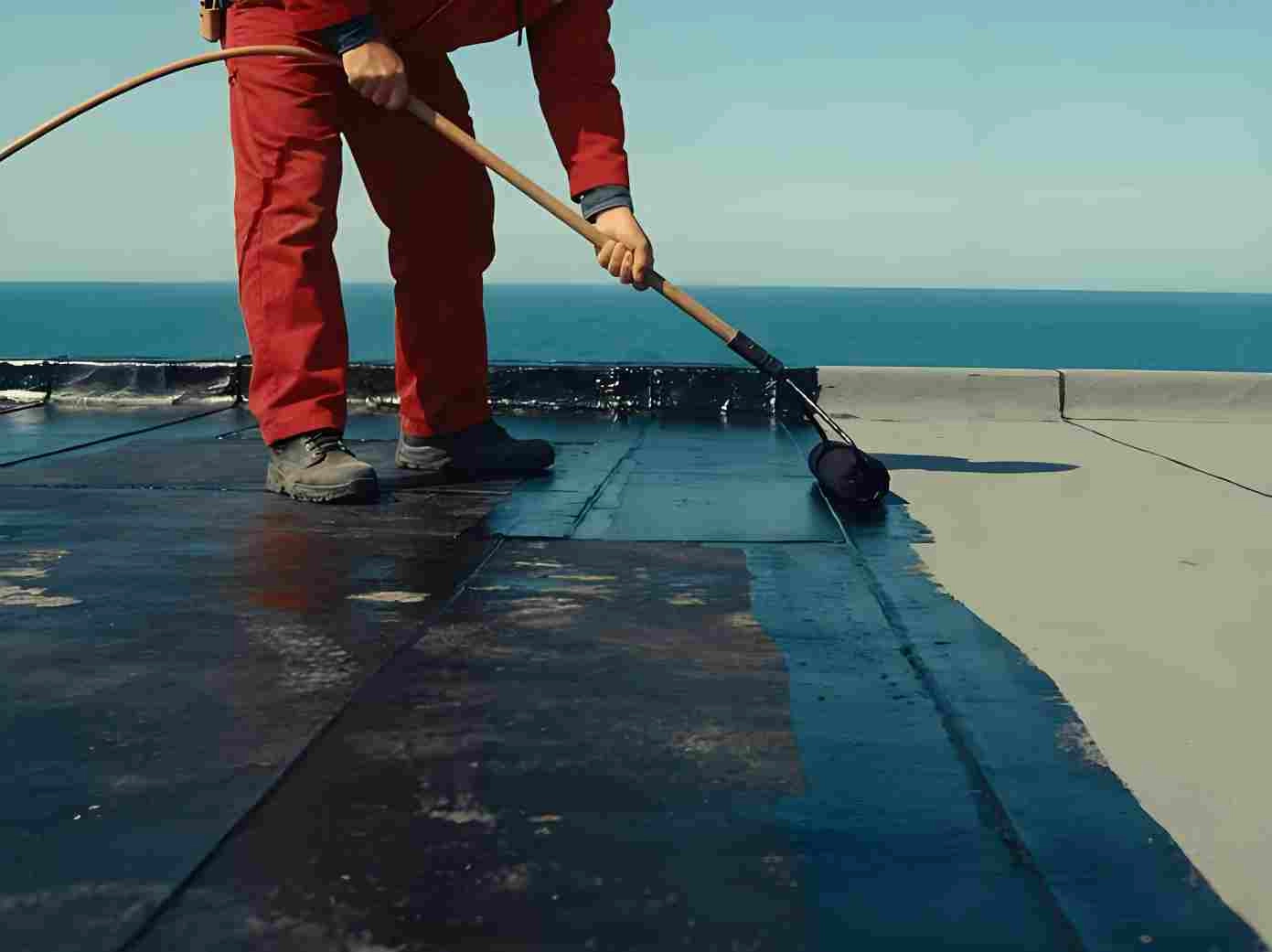
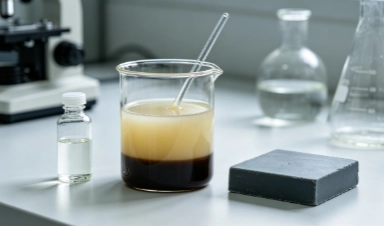
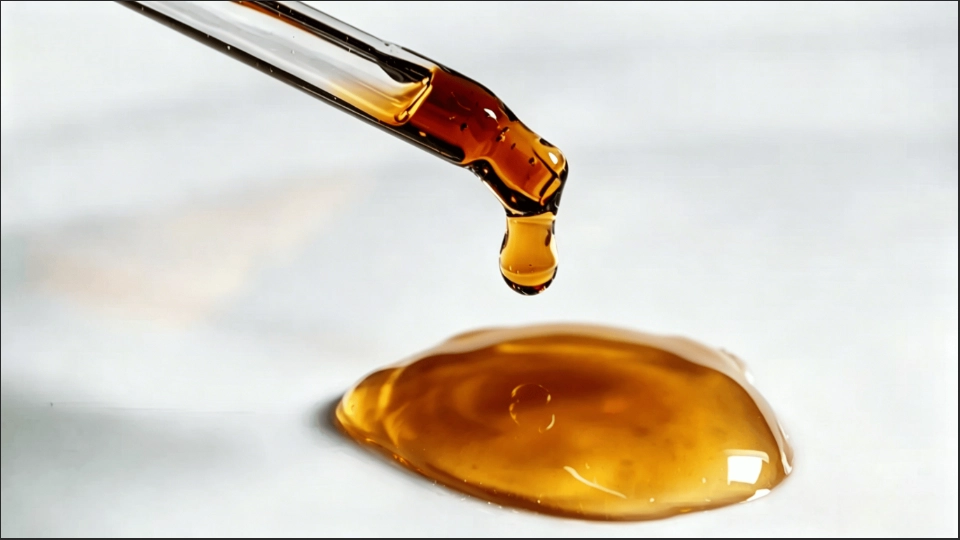
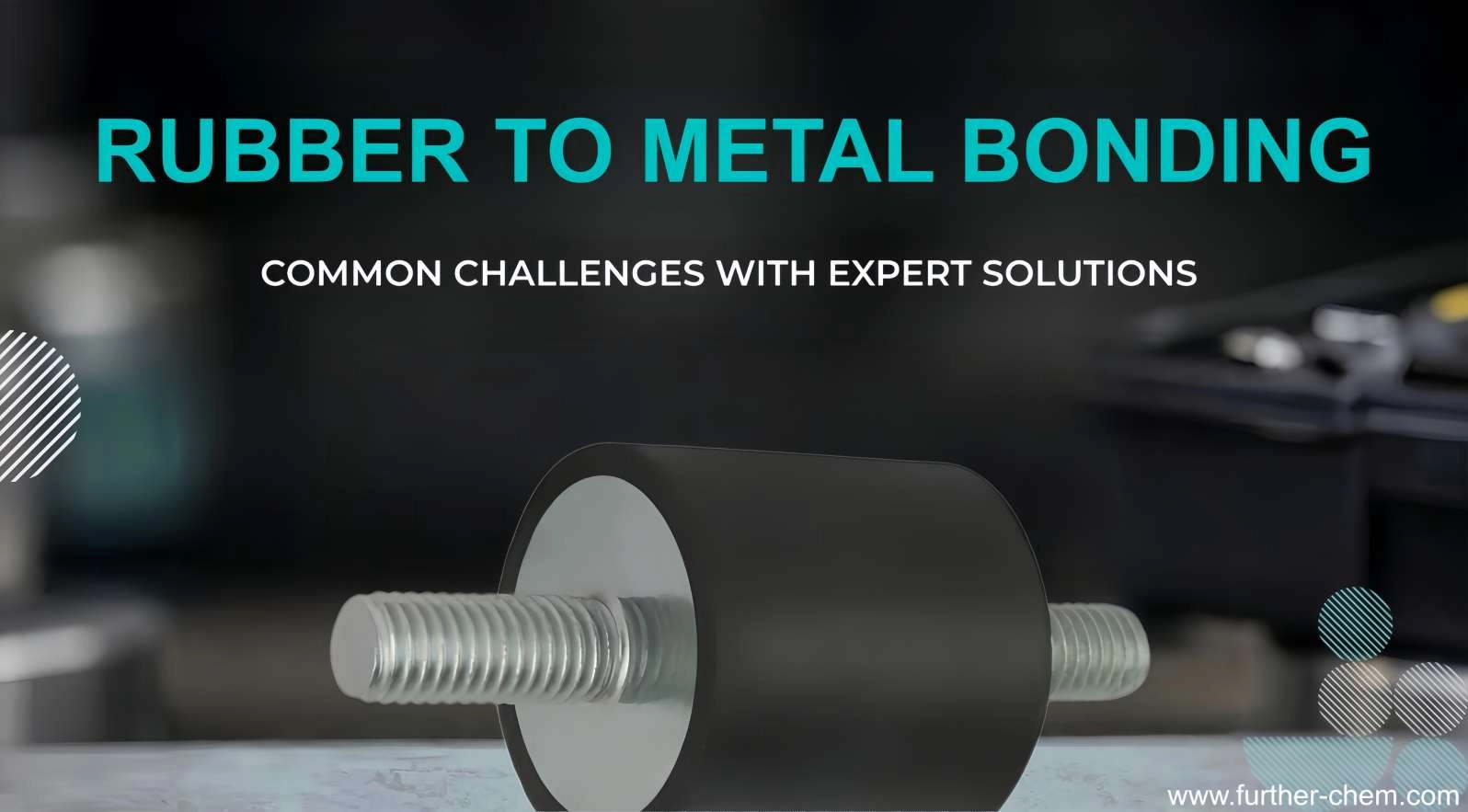
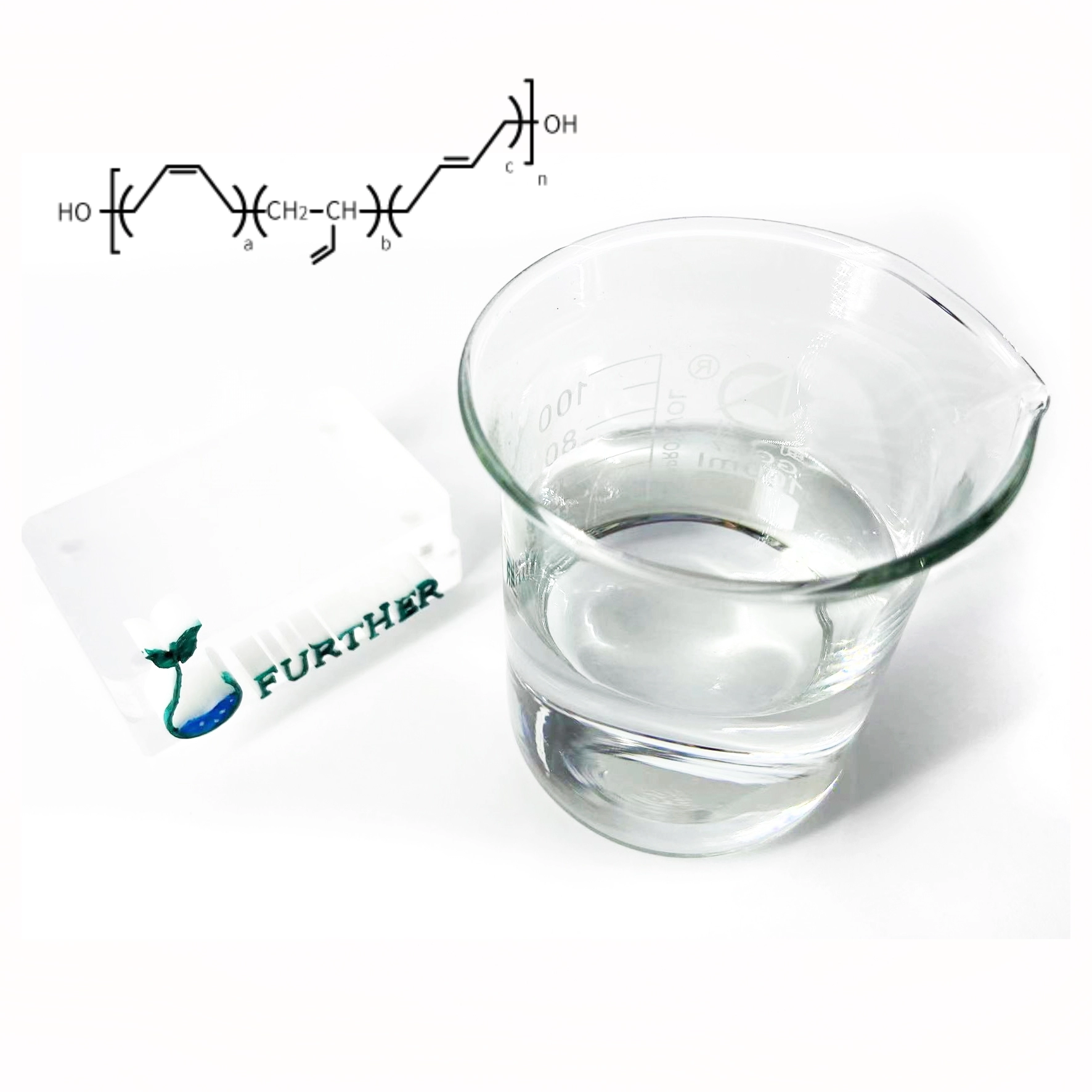
Dimethyl diisocyanate (DDI) further empowers manufacturers to produce DDI polyurethane materials that remain flexible and durable, even in the most demanding environments. Thanks to its long 36-carbon backbone, DDI for flexible polyurethane application delivers exceptional flexibility, low toxicity, and superior water resistance. Users consistently observe that DDI polyurethane resists yellowing and maintains stable performance outdoors or in humid conditions.
- DDI’s unique aliphatic structure is key to its non-yellowing characteristics.
- The low-viscosity liquid form of DDI simplifies processing and enhances workplace safety.
- Dimethyl diisocyanate is ideal for flexible elastomers, coatings, adhesives, and sealants.
By choosing DDI for flexible polyurethane applications, manufacturers achieve lasting performance and reliability. With these advantages, DDI improves polyurethane flexibility and drives innovation in advanced materials.
DDI Polyurethane: What Makes It Unique
Dimethyl Diisocyanate Benefits
Dimethyl diisocyanate stands out in polyurethane systems because of its unique chemical structure. This diisocyanate comes from a 36-carbon dimer fatty acid, which gives it a long aliphatic chain. The absence of benzene rings in its structure means that DDI does not yellow when exposed to sunlight or heat. Manufacturers value this property for outdoor and high-performance applications.
The benefits of using dimethyl diisocyanate in polyurethane systems include:
- Excellent flexibility, even at low temperatures
- Strong resistance to water and hydrolysis
- Outstanding weather and UV stability
- Extremely low vapor pressure, which reduces odor and exposure risk during processing
- Important role in producing elastomers, flexible sealants, waterproofing materials, and electronic encapsulation systems
Research shows that DDI creates flexible materials with a lower modulus than traditional diisocyanates. Its long aliphatic chains enhance flexibility, making it ideal for coatings, adhesives, and elastomers. DDI also provides durability through resistance to yellowing and UV stability, which suits demanding environments.
Key Properties for Flexible Polyurethane
The key properties of DDI-based polyurethane make it a preferred choice for many industries. The long C36 chain in dimethyl diisocyanate acts as an internal plasticizer. This feature allows the polymer chains to move more freely, resulting in greater elongation at break and improved toughness.
The following table highlights how DDI contributes to water resistance and durability in polyurethane products:
| Key Benefits | Applications |
|---|
| Flexibility & Impact Resistance | Elastomers: Industrial rollers & damping |
| Hydrolytic & Weather Stability | Coatings: Anticorrosion & weather-resistant |
| Low Volatility & Safe Processing | Adhesives & Sealants |
| Electronic Encapsulation |
Research indicates that xerogels made with DDI show lower modulus and higher elongation at break compared to those made with conventional diisocyanates. This means that DDI not only improves flexibility but also increases the overall durability of polyurethane.
How DDI Improves Polyurethane Flexibility and Durability
Internal Plasticization and Chain Mobility
Dimethyl diisocyanate changes the way polyurethane behaves at a molecular level. The long C36 aliphatic chain in DDI acts as an internal plasticizer. This structure increases chain mobility, which leads to greater flexibility and impact resistance. Polyurethane made with DDI shows high elongation at break and maintains toughness, even at low temperatures. The hydrophobic nature of DDI’s backbone shields the polymer from water, which improves resistance to hydrolysis and moisture damage.
The absence of benzene rings in DDI’s structure prevents yellowing. This feature gives polyurethane excellent resistance to UV light and aging. Products made with DDI polyurethane keep their appearance and performance over time. Dimethyl diisocyanate also has low volatility, which makes processing safer and reduces odor in the workplace.
Note: DDI polyurethane exhibits excellent aging resistance, which is crucial for the longevity of polyurethane products.
Enhanced Flexibility and Durability in Applications
Manufacturers use DDI for flexible polyurethane applications in many industries. Automotive companies rely on DDI polyurethane for coatings and elastomers that require durability and flexibility. Electronics manufacturers use DDI in foams and adhesives to ensure reliable performance. Industrial sectors depend on DDI for high-performance materials that must withstand demanding conditions.
The following table highlights how DDI performs in real-world polyurethane applications:
| Application Type | Key Characteristics | Performance Benefits |
|---|
| Coatings | Durable films that resist wear, chemicals, and moisture | Excellent resistance to abrasion and chemicals |
| Adhesives | Enhances flexibility and durability | Improves mechanical strength and resilience |
| Elastomers | Versatile in formulations | Tailors products to meet specific needs |
DDI for flexible polyurethane application delivers enhanced flexibility and durability. The long-chain structure provides flexibility and impact resistance, while the hydrophobic backbone ensures resistance to water and chemicals. DDI polyurethane maintains its properties after exposure to sunlight, moisture, and mechanical stress. This combination of features makes DDI a preferred choice for manufacturers who need reliable, long-lasting polyurethane products.
- Automotive: Utilizes DDI in coatings and elastomers for durability and flexibility.
- Electronics: Employs DDI in foams and adhesives for reliable performance.
- Industrial applications: Relies on DDI for high-performance materials in various manufacturing processes.
How DDI improves polyurethane flexibility can be seen in its ability to maintain performance in harsh environments. The unique chemistry of DDI ensures that polyurethane products remain flexible, resist impact, and last longer than those made with traditional diisocyanates.
DDI for Flexible Polyurethane Application: Practical Steps
Choosing Polyols and Additives
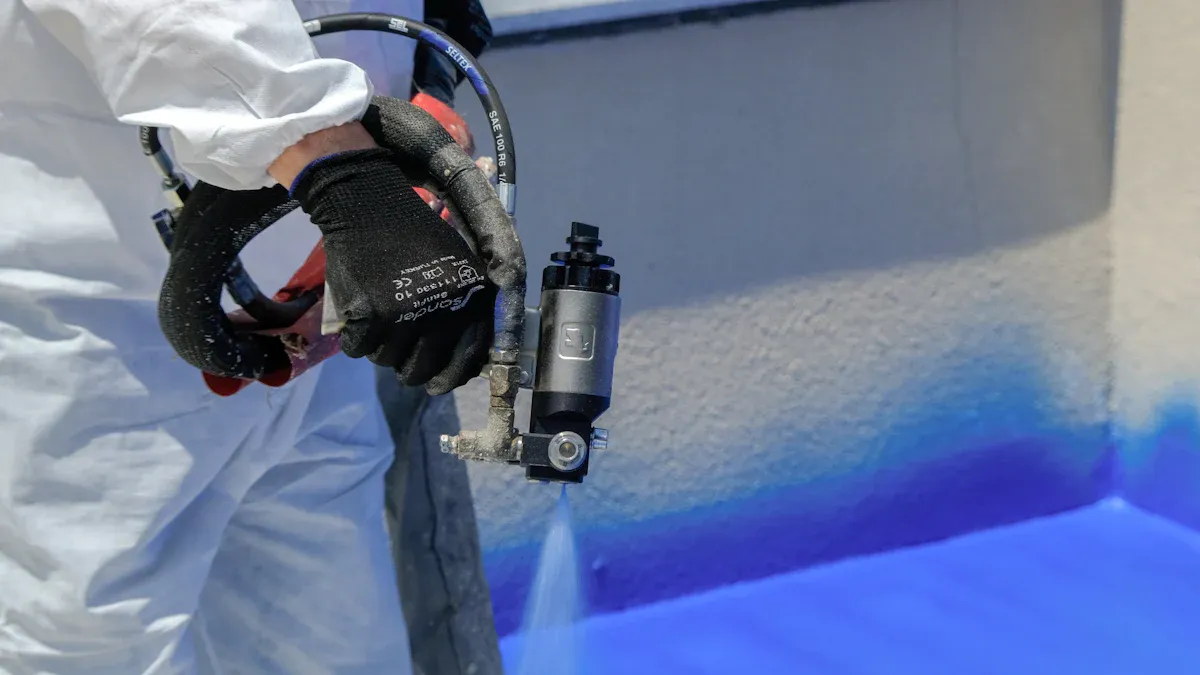
Selecting the right components is essential for creating a DDI-based polyurethane with optimal flexibility and durability. Polyol choice plays a major role. Polyether polyols often provide better hydrolytic stability, making them suitable for applications exposed to moisture. Polyester polyols, on the other hand, can enhance mechanical strength and abrasion resistance. Manufacturers should consider the end-use requirements before choosing between these options.
Additives also influence the performance of ddi-based polyurethane. Plasticizers can further increase flexibility, while catalysts help control the reaction rate. Fillers may improve mechanical properties or reduce costs. When formulating high-performance polyurethane materials, the right balance of polyols and additives ensures superior chemical resistance and long-lasting results in products like sealants and coatings.
A step-by-step approach helps achieve the best results:
- Select the right polyol for your application.
- Mix DDI with your polyol under controlled conditions.
- Adjust the ratio to achieve the desired flexibility and strength.
- Cure the mixture at the recommended temperatures.
- Test the final product for water resistance and durability.
Mixing and Processing Tips
Proper mixing and processing techniques are crucial for DDI-based polyurethane. The following table highlights important tips and their benefits:
| Tip | Benefit |
|---|
| Low Vapor Pressure | Reduces odor and enhances safety during processing. |
| Low Volatility | Ensures DDI remains in the mixture, preventing loss. |
| Compatibility with Polyols | Allows for flexibility in product design. |
| Low Viscosity | Facilitates easy blending without clumping or uneven mixing. |
To maximize flexibility, manufacturers should maintain precise temperature control during curing. Uniform mixing ensures consistent properties throughout the ddi-based polyurethane. Testing for superior chemical resistance and water resistance confirms that the final product meets industry standards. Products such as sealants benefit from these practices, resulting in durable and reliable solutions for demanding environments.
Tip: Always monitor the curing process closely to achieve the best combination of flexibility and superior chemical resistance in ddi-based polyurethane.
Challenges and Considerations
Compatibility and Processing
Manufacturers often evaluate compatibility when selecting materials for polyurethane production. Dimethyl diisocyanate blends well with many polyols, which allows for flexible formulation options. Some additives may require adjustment to achieve the best results. Careful selection of catalysts and fillers helps maintain the desired properties.
Processing DDI requires attention to safety and environmental factors. DDI has lower vapor pressure and reduced volatility compared to many conventional isocyanates. This feature improves workplace safety and reduces odor. Workers experience less exposure risk, which enhances environmental stability during production. Despite these advantages, DDI remains a reactive isocyanate. Standard industrial safety precautions must be followed.
Manufacturers can follow these best practices for improved performance and durability:
- Use proper protective equipment during handling.
- Maintain clean and dry processing environments.
- Monitor temperature and mixing speed for consistent results.
- Test compatibility with all additives before scaling up production.
Tip: Regular training for staff ensures safe and efficient processing of DDI-based polyurethane.
Cost and Sourcing Factors
Cost and sourcing play important roles in material selection. DDI offers unique benefits, but pricing may differ from traditional isocyanates. Manufacturers compare ddi vs. traditional isocyanates to determine the best value for their application. Reliable suppliers provide consistent quality and support.
The following table summarizes key considerations:
| Factor | Best Practice | Benefit |
|---|
| Material Cost | Compare suppliers and negotiate rates | Optimize budget |
| Supply Stability | Choose reputable sources | Ensure consistent production |
| Technical Support | Request datasheets and guidance | Achieve desired durability |
Manufacturers who prioritize sourcing from trusted suppliers gain access to technical expertise. This support helps optimize polyurethane formulations for improved performance and durability. Careful planning and supplier relationships ensure that DDI remains a reliable choice for advanced applications.
Dimethyl diisocyanate further enables manufacturers to achieve flexible polyurethane with hydrolytic and weather stability. The formulation process involves selecting suitable polyols, mixing DDI, and curing under controlled conditions. DDI’s renewable dimer fatty acid origin increases biobased carbon content, supporting sustainable product development. Suppliers such as Parchem and Shanghai Theorem Chemical Technology Co., Ltd. recommend DDI for its lower toxicity and versatility in performance in specialty polyurethane products. Manufacturers can consult technical datasheets or reach out to suppliers for guidance on formulation and sourcing.
FAQ
What makes DDI different from traditional diisocyanates?
DDI contains a long C36 aliphatic chain. This structure gives DDI polyurethane superior flexibility, water resistance, and non-yellowing properties. DDI also shows lower toxicity and safer processing compared to many conventional diisocyanates.
Can DDI polyurethane be used outdoors?
Manufacturers use DDI polyurethane for outdoor applications. The fully aliphatic structure resists UV radiation and prevents yellowing. Products maintain appearance and performance in sunlight, rain, and humid conditions.
How does DDI improve workplace safety?
DDI has extremely low vapor pressure and faint odor. Workers experience less exposure risk during processing. These features make DDI a safer choice for polyurethane production.
Which industries benefit most from DDI polyurethane?
| Industry | Benefit |
|---|
| Automotive | Durable coatings, elastomers |
| Electronics | Reliable adhesives, foams |
| Construction | Flexible sealants, waterproofing |
Is DDI compatible with waterborne polyurethane systems?
DDI’s hydrophobic backbone enables stable water-based emulsions. Manufacturers can formulate waterborne polyurethane coatings and treatments with DDI for enhanced water resistance and durability.

 English
 English
  Spanish
  Russian
  Arabic
  French
  German
  Portuguese
  Turkish
  Dutch
Dutch  Polish
  Korean
  Vietnamese
  Indonesian
 03. Aug, 2026