 English
 English
  Spanish
  Russian
  Arabic
  French
  German
  Portuguese
  Turkish
  Dutch
Dutch  Polish
  Korean
  Vietnamese
  Indonesian

 Online Consultation
RC (TDI-bases polyisoyanurate CAS No. 26471-62-5 )
Chemical Name: TDl-based polyisocyanate
CAS No.: 26471-62-5
Character: Substitute for Desmodur RC
Read More
Online Service

 Mobile/Wechat/Telegram: +86-18321679576
 WhatsApp:+86-13248126998
 Email:young@further-chem.com
Email:info@further-chem.com
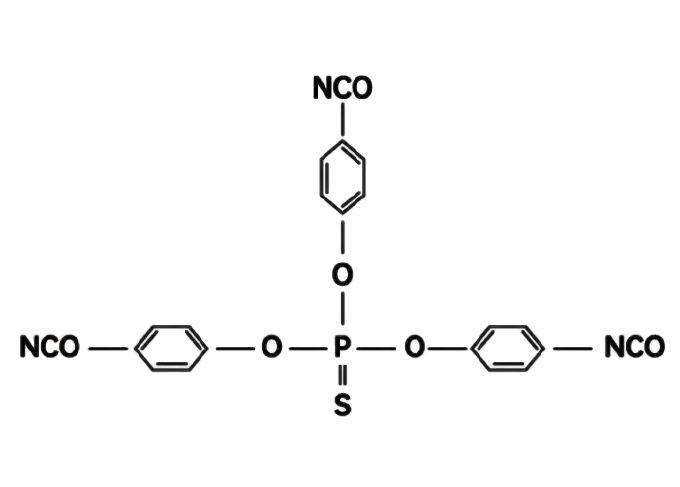
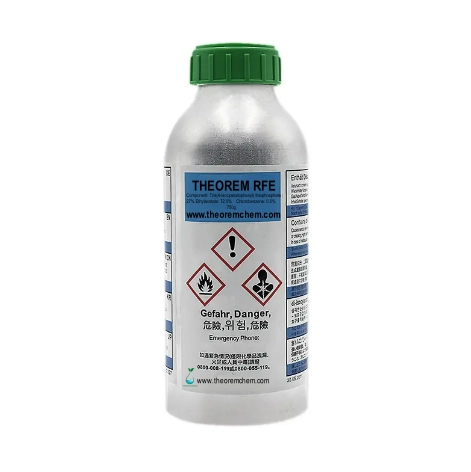
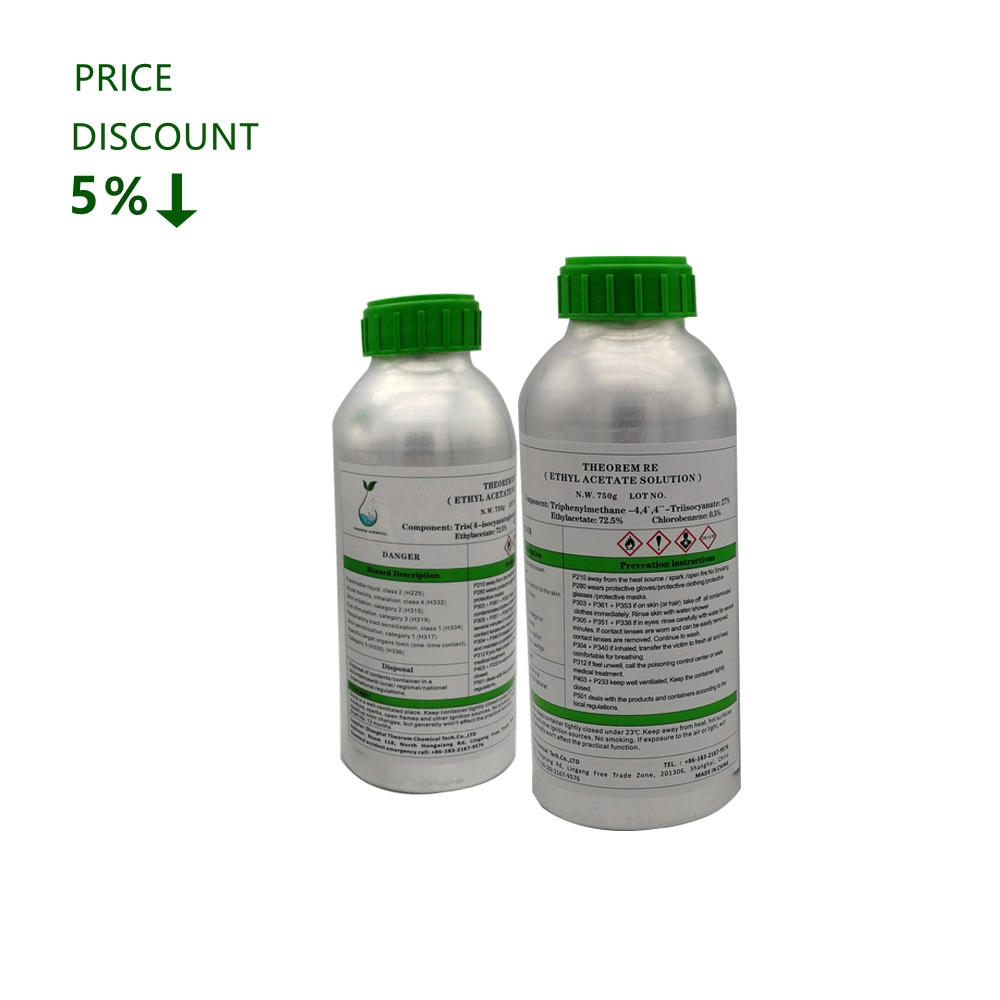
Chemical Name: Tris(4-isocyanatophenyl) thiophosphate
Code: Isocyanate RFE
CAS No. 4151-51-3
Character: Substitute for Desmodur RFE
Molecular Formula:C21H12N3O6SP
CAS No.4151-51-3
Density at 20°C: approx. 1.0g/cm³
M.W: 465
Melting point: 84-86°C
Product Description
Character: Substitute for Desmodur RFE
Molecular Formula: C21H12N3O6SP
Structure formula: HC[ NCO]3
CAS No. 4151-51-3
Density at 20°C: approx. 1.0g/cm³
M.W: 465
Melting point: 84-86°C
Component:
Tris(4-isocyanatophenyl) thiophosphate 27.5%
Ethylacetate 72.5%
Product properties & Features
Our RFE is of Chinese origin (manufactured in China) which the same performance as BAYER's Desmodur RFE, is a solution which contains 27.5% Tris(4-isocyanatophenyl) thiophosphate and 72.5% ethyl acetate. is a solvent-borne adhesive hardener of Tris(4-isocyanatophenyl) thiophosphate in ethyl acetate.
Key Features of our RFE
1. High crosslinking efficiency: Reacts rapidly with hydroxyl (-OH) and amino (-NH₂) groups to form a heat-resistant and hydrolysis-resistant 3D crosslinked structure.
2. Excellent heat and solvent resistance: Significantly enhances the adhesive layer’s heat resistance (up to 120°C), as well as resistance to oil, acids, alkalis, water, and organic solvents.
3. Moderate pot life: After addition to two-component adhesives, the pot life ranges from several hours to one working day, facilitating industrial operations.
4. Broad compatibility: Compatible with adhesive systems such as polyurethane (PU), chloroprene rubber (CR), natural rubber (NR), and nitrile rubber (NBR).
5. Good stability: No yellowing effect on light-colored/white products, making it suitable for bonding light-colored materials.
Applications
1. Footwear Industry
- Use: Crosslinking agent for footwear adhesives; bonds difficult-to-adhere materials such as leather, nylon, TPR, PU, and rubber.
- Performance: Improves initial tack, final bond strength, heat resistance (resistance to debonding), water resistance, and aging resistance; especially suitable for white/light-colored footwear (no yellowing).
- Typical formulation: PU adhesive / chloroprene adhesive + 3%–5% RFE (based on solids content).
2. Rubber and Plastic Bonding
- Rubber-to-metal, rubber-to-plastic, rubber-to-fabric composites (e.g., seals, conveyor belts, automotive interiors).
- Enhances the adhesive layer’s tear resistance, vibration resistance, and resistance to chemical media.
3. Automotive Industry
- Interior: Bonding of headliners, carpets, seals, and sound-insulating materials.
- Exterior: Bonding of headlamps, rearview mirrors, and bumper components (heat and weather resistant).
4. Furniture and Woodworking
- Leather/fabric-to-wood and foam-to-frame bonding; improves heat resistance under pressure and aging resistance.
5. Packaging and Lamination
Flexible packaging lamination, film-to-paper/aluminum foil bonding; improves temperature resistance and resistance to adhesive migration.
Packing & Storage
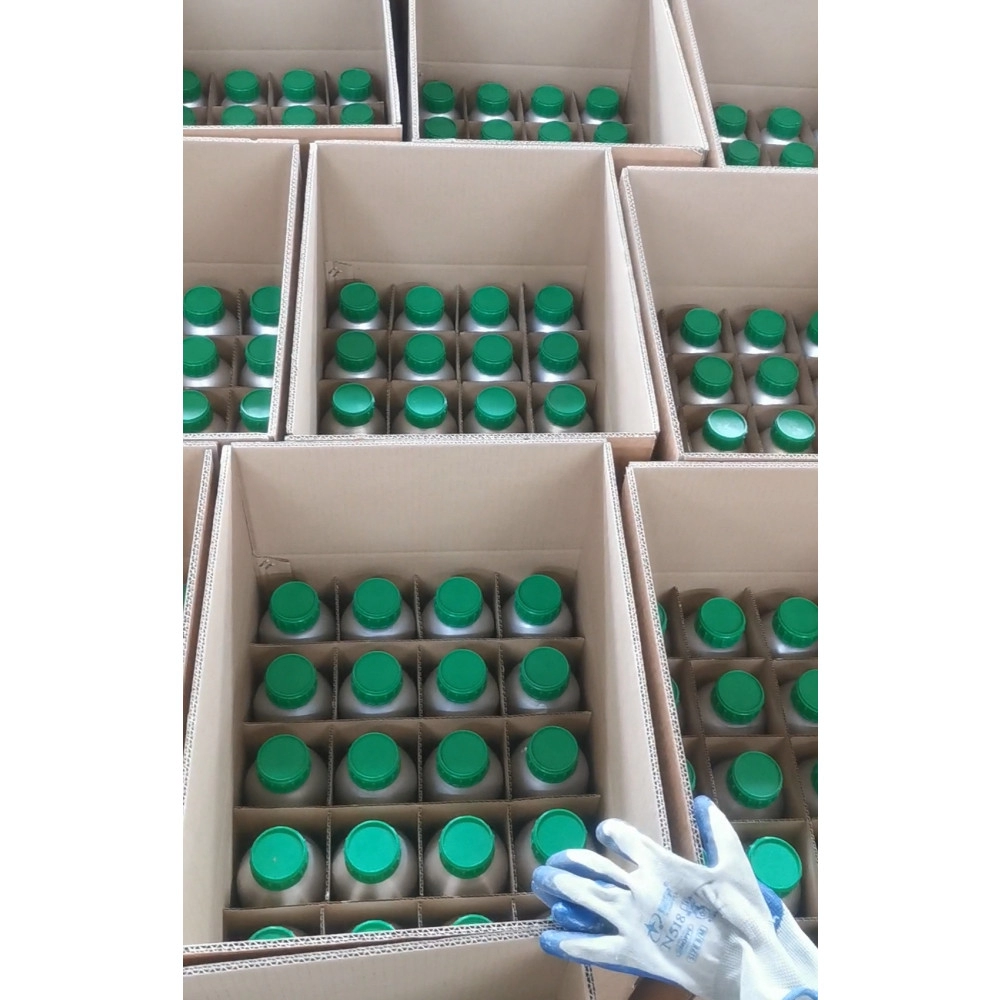
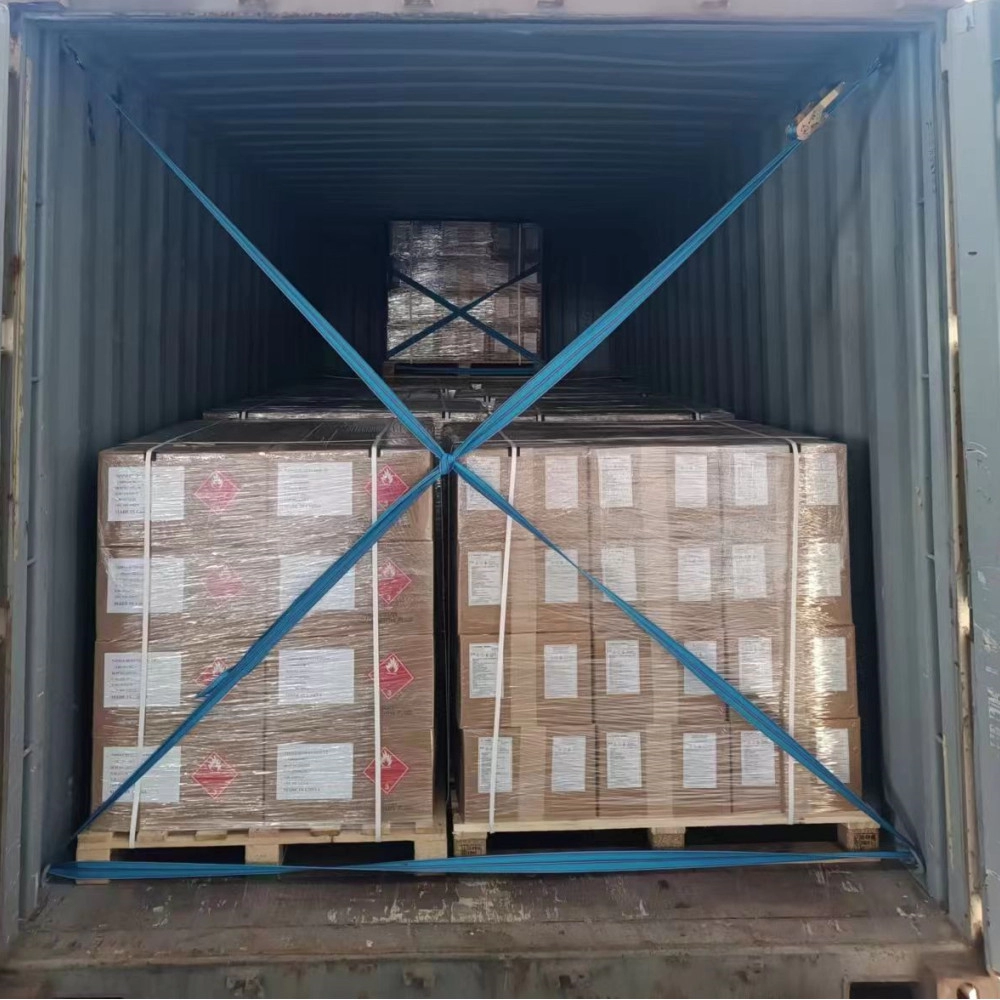
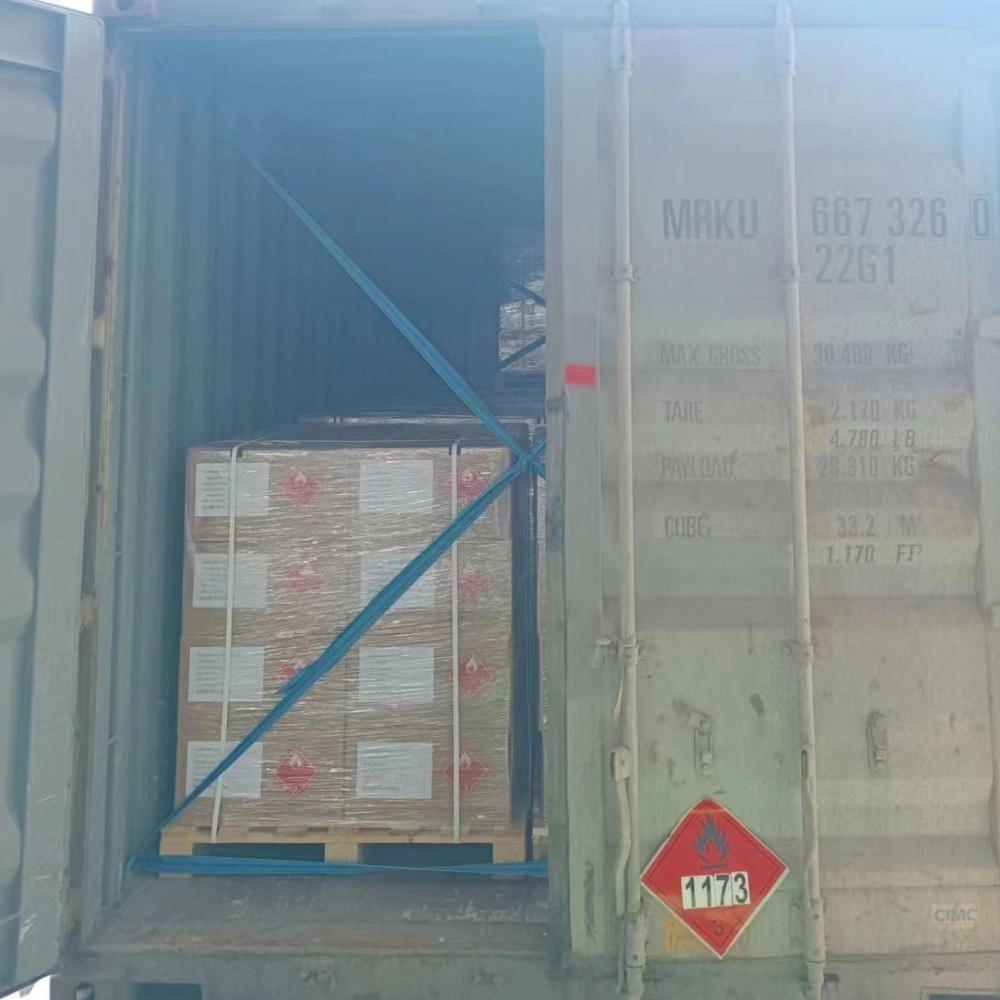
750g/bottle, 20 bottles in one carton, 24 or 30 cartons in one pallet
20kg/drum, 18 drums or 27 drums in one pallet
55kg/drum, 8 or 12 drums in one pallet
180ka/drum, 4 drums in one pallet
Please store in the original sealed jar 5℃-32℃, the product can be preserved stable for 12 months.
It is very sensitive to the moisture. lt will produce carbon dioxide and insoluble urea in the reaction with water. lf exposure to the air or light, it will speed up color changes, but the practical function will not be affected.
Transport Information
United Nations number / UN No.: 1173
United Nations Transport name: FLAMMABLE LIQUID, N.O.S.
Transport risk level: 3
Packaging category: II
Environmental hazard: no
HS CODE: 2929109000
Technical Index
| Item | Index |
| Assay of NCO | 7.2+0.2% |
| Solid content | 27±1% |
| Viscosity (20°C) | 3 mPa.s |
| Solvent | Ethyl acetate |
By submitting this form, you consent to the storage of your data and
your interests in order to answer your enquiry. Further
information
on data processing, your rights and revocation can be found in our
privacy policy.