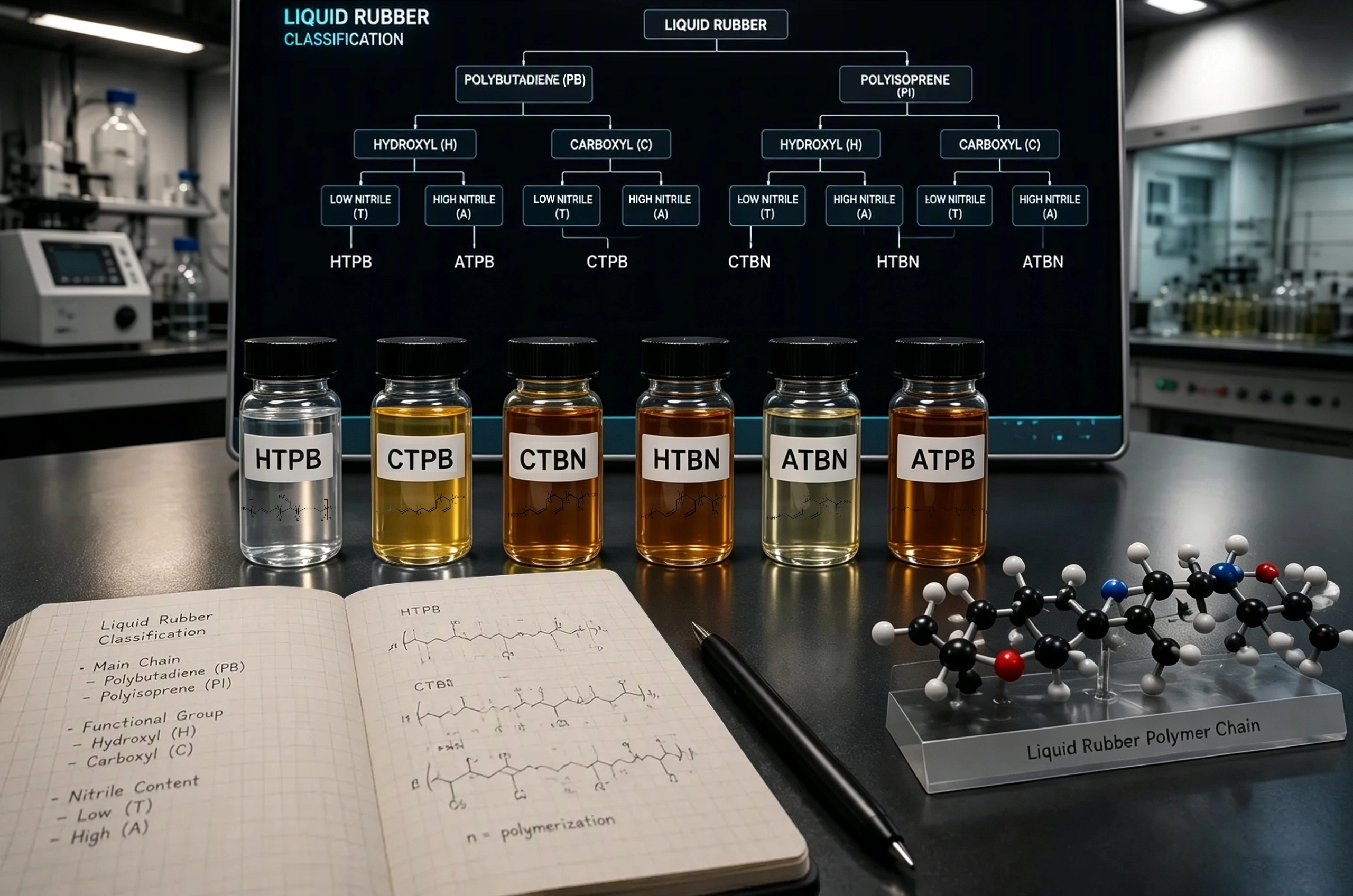
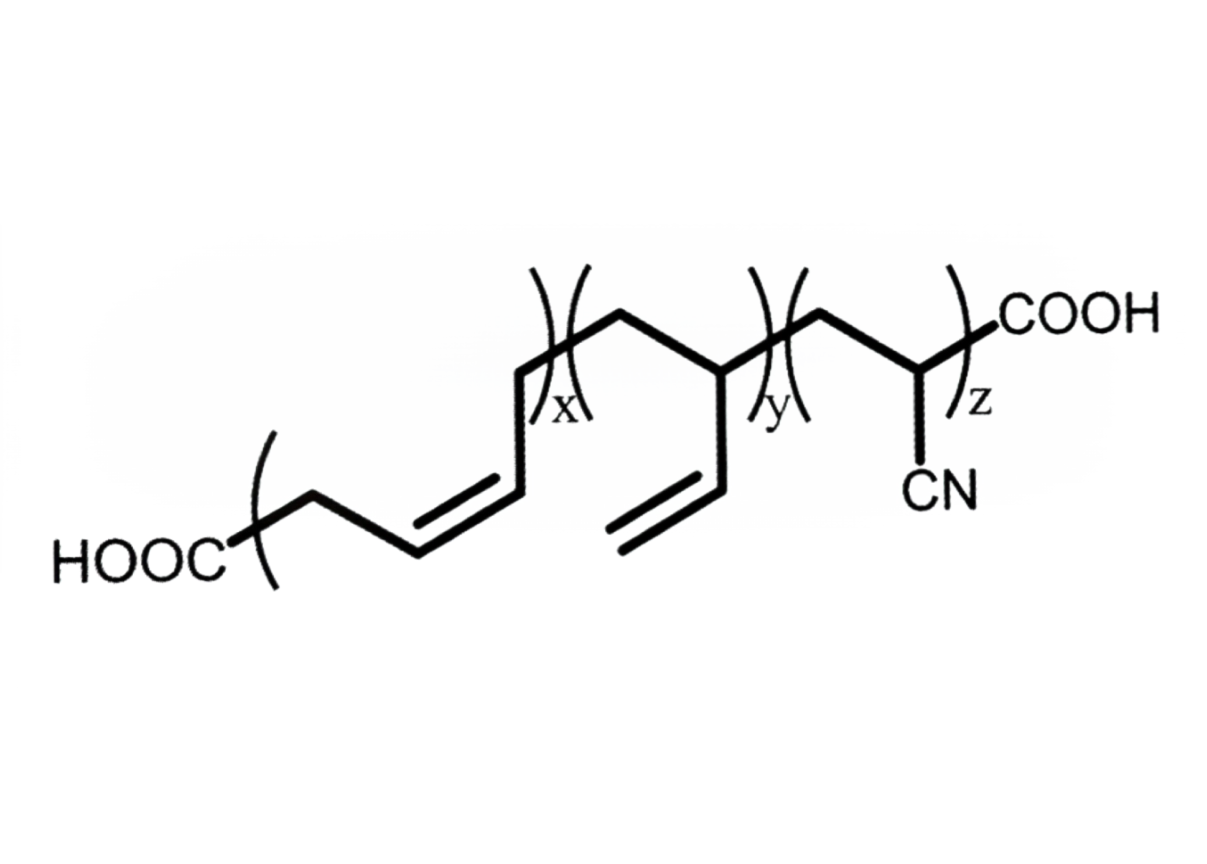
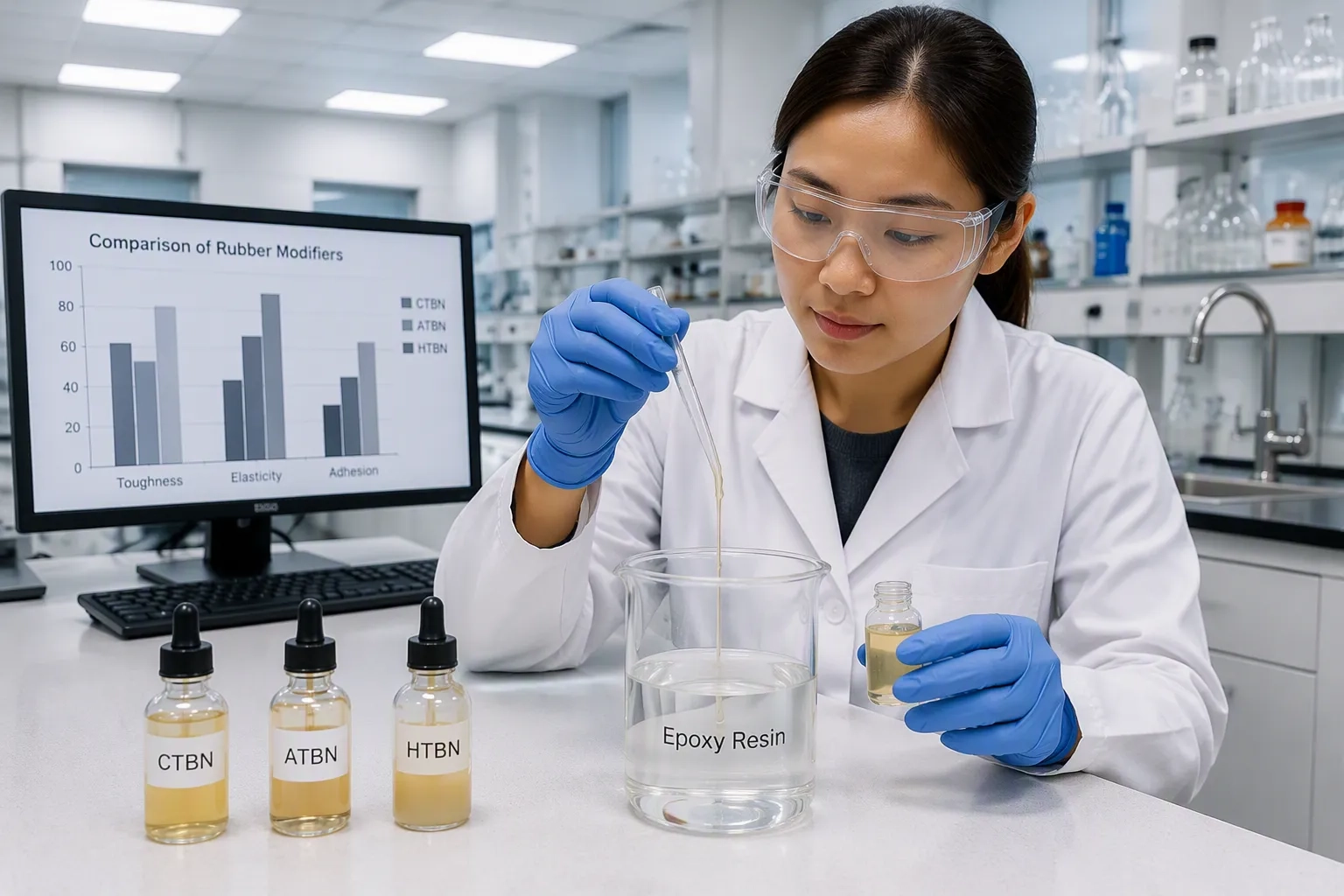
Standard HTPB rubber degrades easily under high heat and lacks strong adhesion. Chemists solve these issues by Exploring Various Derivative Forms of HTPB(Hydroxyl-terminated polybutadiene). Backbone hydrogenation removes double bonds to boost thermal resistance and clarity. Meanwhile, epoxidation adds reactive oxirane rings, improving surface adhesion and co-reactivity. Industries rely on Various Derivative Forms of HTPB(Hydroxyl-terminated polybutadiene) for demanding environments.
· Hydrogenated HTPB creates stable single bonds. This modification blocks sunlight damage and keeps outdoor electronics clear.
· Epoxidized HTPB adds reactive oxygen rings. These rings improve glue strength on glass, aluminum, and steel surfaces.
· Formulators add epoxidized HTPB to brittle resins. The flexible rubber particles absorb shock and prevent material cracks.
· Shanghai Further New Material Technology Co., Ltd. supplies a full range of HTPB products. We can customize HTPB in accordance with customers’ application scenarios and specification requirements, including mono-functional, hydrogenated and epoxidized HTPB.
Various Derivative Forms of HTPB(Hydroxyl-terminated polybutadiene)

Chemical engineers frequently modify liquid polybutadiene backbones to create specialized high-performance materials. They synthesize Various Derivative Forms of HTPB(Hydroxyl-terminated polybutadiene) to overcome standard heat sensitivity and chemical weakness. These targeted chemical modifications change the fundamental polymer structure for demanding industrial environments.
Backbone Hydrogenation Dynamics
Hydrogenation adds hydrogen gas directly across unsaturated carbon-carbon double bonds in the polymer chain. Noble metal catalysts speed up this chemical reaction under controlled temperature and pressure settings. The chemical process converts vulnerable double bonds into stable single bonds completely.
Eliminating these double bonds prevents severe thermal oxidation and sunlight degradation over time. The fully saturated backbone maintains outstanding chemical stability during harsh environmental exposure. Additionally, the liquid rubber retains high flexibility at extremely low operational temperatures.
Peracid Epoxidation Routes
Epoxidation introduces active oxygen atoms into the polybutadiene backbone to form reactive oxirane rings. Chemical processors mix organic peracids with the liquid rubber to trigger this precise conversion. The reaction targets specific double bonds while preserving key terminal hydroxyl groups.
These added oxirane rings increase surface energy and structural reactivity significantly. The new chemical groups allow secondary curing reactions with conventional epoxy resins. Consequently, resin formulators choose Various Derivative Forms of HTPB(Hydroxyl-terminated polybutadiene) to improve adhesion on difficult substrates like glass, steel, and aluminum.
Hydrogenated HTPB Performance Profile
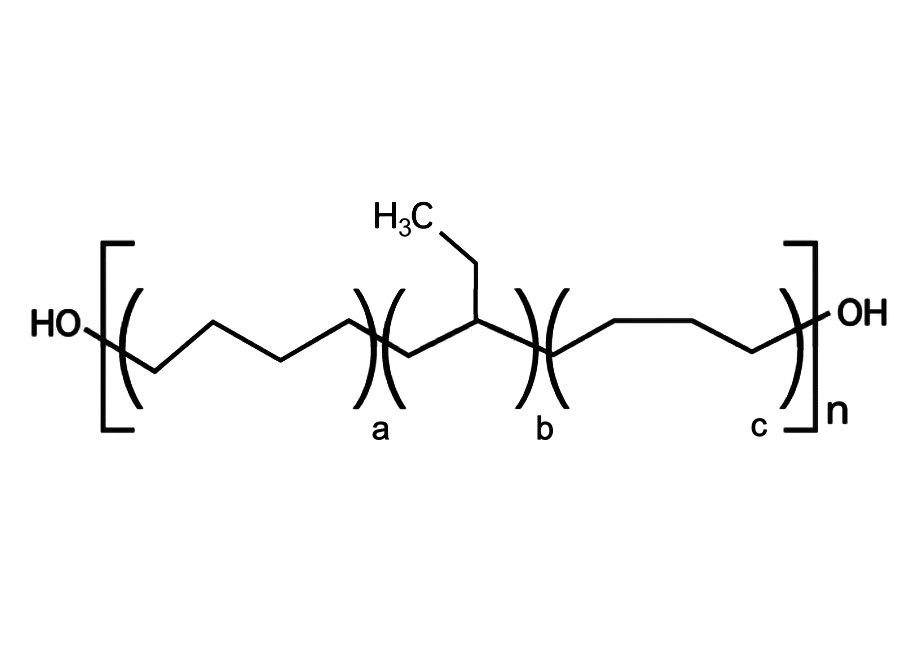
Hydrogenated hydroxyl-terminated polybutadiene (H-HTPB) provides unique chemical traits that standard polybutadiene cannot match. Eliminating backbone double bonds alters the physical behavior of the polymer completely. Consequently, the material excels in extreme operating environments.
Weathering and Hydrolytic Resistance
Unsaturated polymers degrade rapidly when sunlight and oxygen attack vulnerable double bonds. Hydrogenation converts these double bonds into stable single bonds. This saturated hydrocarbon backbone shields the polymer against photo-oxidation and thermal breakdown.
Stable single bonds prevent backbone scission and crosslinking during prolonged ultraviolet light exposure.
Water molecules also fail to break the hydrophobic polymer chain. Industrial coatings and sealants using H-HTPB maintain structural integrity in high-humidity conditions. The material resists moisture absorption, acidic environments, and alkaline exposure over extended operational lifespans.
Optical Clarity and Low Glass Transition Temperature
Standard liquid rubbers darken and turn yellow under heat and sunlight. The fully saturated backbone of H-HTPB eliminates light-absorbing chromophores. This clear structure allows full transmission of visible light without color distortion.
The rubber also maintains high physical flexibility in cryogenic settings. The polymer features a very low glass transition temperature, often dropping below -60 degrees Celsius. The non-crystalline backbone prevents stiffening and embrittlement in deep-freeze environments.
Liquid Optically Clear Adhesives and Optoelectronics
Display manufacturers rely heavily on H-HTPB to produce liquid optically clear adhesives (LOCA). Formulators incorporate hydrogenated polybutadiene resins directly into adhesive mixtures as efficient plasticizing agents. These resins reduce internal stress during curing while maintaining high transparency.
Stage | Chemical Role / Reaction | Purpose in Display Electronics |
Intermediate Precursor | Reacted with aliphatic/aromatic diisocyanates and capped with hydroxyl-functionalized (meth)acrylates (e.g., HEMA) | Prepares urethane (meth)acrylate derivatives for formulation |
Essential Oligomer Ingredient | Forms multifunctional urethane (meth)acrylate oligomers | Functions as a core UV-curable component in index-matched LOCA |
Performance Enhancement | Provides ~1.5 refractive index and high oxidation resistance | Ensures optical clarity and structural bonding between display panels and glass |
Chemists modify the terminal hydroxyl groups on H-HTPB to form light-curable oligomers. These functionalized polymers match the refractive index of glass covers and touch panels. Optoelectronic devices benefit from strong impact resistance, non-yellowing visual clarity, and permanent moisture defense.
Epoxidized HTPB Performance Profile
Epoxidized hydroxyl-terminated polybutadiene (EHTPB) offers remarkable functional advantages for advanced polymer formulations. Chemical modification adds reactive oxirane rings along the liquid rubber backbone. This conversion alters physical traits, chemical reactivity, and mechanical performance dramatically.
Oxirane Oxygen Content and Reactivity
Chemists control oxirane oxygen content during synthesis to tune material characteristics precisely. Higher epoxy levels increase molecular attraction across the liquid polymer chains. Consequently, processing behavior and cured mechanical properties shift based on conversion rates.
Property / System | Impact of Increasing Epoxidation Conversion |
Viscosity & Processing | Viscosity rises significantly with higher conversion, trapping air and obstructing bubble release (especially pronounced above 10% conversion). |
Neat PU Mechanicals | - Tensile Strength: Increases dramatically (by ~240% at 10% conversion) due to higher crosslinking density.
- Elongation: Drops to ~50% at 5% conversion and retains ~70% of that value at 10% as flexible 1,4-cis bonds convert to rigid epoxy rings. |
Filled PU (PU-F) Mechanicals | - Tensile Strength: Remains stable up to 20% conversion, then surges by nearly 200% at 30% conversion.
- Elongation: Maintains relatively high strain (~80%) up to 10%, but decreases sharply to ~20% at 20–30% conversion due to over-crosslinking and network embrittlement. |
Higher oxirane content introduces secondary reaction sites for amine or acid anhydride curing agents. These oxirane groups react alongside terminal hydroxyl functional groups. Formulators create dense three-dimensional networks with exceptional structural stability.
Enhanced Substrate Adhesion and Interfacial Bonding
Unmodified polybutadiene non-polar backbones struggle to bond with polar surfaces. Epoxidation solves this core adhesive failure mechanism through chemical structure alteration.
· Mechanism of Enhancement: Epoxidation transforms unsaturated double bonds into polar oxirane rings on the polymer backbone. This selective modification elevates overall polymer polarity, enabling stronger polar interactions with highly polar surfaces.
· Interfacial Adhesion Improvements: The added polar functionality boosts matrix compatibility with polar additives and enhances interfacial adhesion.
· Quantitative Shear Strength Gains: In lap shear tests on polar substrates like epoxy, a 30% epoxidized HTPB-polyurethane formulation achieved nearly three times the shear strength compared to unmodified HTPB-PU.
The polar oxirane groups create hydrogen bonds with surface hydroxyl groups on metal oxides and glass. Polymer chains resist physical peeling forces under high stress. Chemical engineers utilize this strong interfacial bonding to eliminate surface priming steps during adhesive applications.
Potting Compounds and Epoxy Structural Toughening
Standard epoxy resins provide high rigidity but suffer from severe brittleness. Incorporating EHTPB into rigid epoxy matrices creates a micro-phase separated rubbery domain. These micro-domains absorb kinetic energy during sudden mechanical impacts. The flexible rubber particles stop crack propagation across the hardened matrix effectively.
Epoxidized polybutadiene liquid rubber toughens rigid thermoset resins without lowering heat resistance or electrical insulation performance.
Electrical encapsulation systems demand low internal stress during thermal cycling. Electronics manufacturers deploy EHTPB-modified potting compounds to shield sensitive microchips. The rubbery phase reduces shrinkage forces during curing, preventing internal component cracking under extreme operational temperatures.
Comparative Analysis and Selection Framework
Chemical engineers evaluate specific operating conditions before choosing a liquid rubber backbone modification. Standard polybutadiene provides flexibility, but specialized applications require enhanced chemical performance.
Performance Matrix Across Key Parameters
The table below highlights performance differences across three core polybutadiene liquid rubber types.
Performance Property | Standard HTPB | Hydrogenated HTPB (H-HTPB) | Epoxidized HTPB (EHTPB) |
UV and Thermal Stability | Poor | Outstanding | Moderate |
Polar Substrate Adhesion | Low | Low | Exceptional |
Optical Clarity | Yellows over time | Permanently clear | Standard |
Epoxy Matrix Co-reactivity | None | None | High |
Glass Transition Temperature | Very Low (-70°C) | Low (-60°C) | Moderate (-40°C to -15°C) |
Formulator Material Selection Guide
Selecting the right polybutadiene polymer depends directly on final application requirements. Product developers study environmental exposure and mechanical bonding needs to make their decision. Formulators analyze Various Derivative Forms of HTPB(Hydroxyl-terminated polybutadiene) to solve specific performance failures in standard thermoset systems.
· Choose Hydrogenated HTPB (H-HTPB) when designing outdoor electronics, liquid optically clear adhesives, or cryogenic sealants. The saturated backbone resists yellowing, sunlight exposure, and moisture degradation over long periods.
· Choose Epoxidized HTPB (EHTPB) when building structural adhesives, electronic encapsulation potting compounds, or toughened epoxy composites. The reactive oxirane rings increase polymer polarity and form strong chemical bonds with metal and glass.
Matching backbone chemistry to operational demands ensures maximum product lifespan and mechanical reliability.
Modified polybutadiene derivatives transform basic liquid rubber into strong engineering materials. Hydrogenated H-HTPB delivers clear vision, UV durability, and flexible performance in cold outdoor environments. Meanwhile, epoxidized EHTPB adds crucial toughness, polar adhesion, and deep crosslinking strength for metal and glass bonding.
Chemical formulators rely on Various Derivative Forms of HTPB(Hydroxyl-terminated polybutadiene) to solve tough material problems in modern electronics.
FAQ
What is the primary difference between hydrogenated HTPB and epoxidized HTPB?
Hydrogenated HTPB removes double bonds to maximize UV stability and optical clarity. Epoxidized HTPB adds oxirane rings to improve surface adhesion and reactivity with epoxy resins.
How does backbone hydrogenation protect liquid polybutadiene from degradation?
Hydrogenation converts reactive carbon-carbon double bonds into saturated single bonds. This chemical modification blocks photo-oxidation, prevents thermal breakdown, and stops long-term yellowing under intense sunlight.
Why do formulators add epoxidized HTPB to structural epoxy resins?
Epoxidized HTPB introduces flexible rubber domains to brittle epoxy matrices. These rubber particles absorb impact energy, stop crack propagation, and dramatically improve substrate adhesion.

 English
 English
  Spanish
  Russian
  Arabic
  French
  German
  Portuguese
  Turkish
  Dutch
Dutch  Polish
  Korean
  Vietnamese
  Indonesian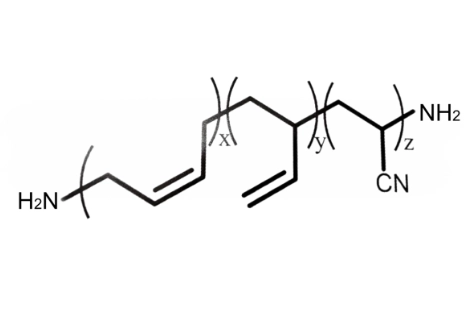
 31. Aug, 2026