DDI CAS 68239-06-5 Dimeryl Diisocyanate provides an ultra-hydrophobic barrier in wet boreholes. This shield protects energetic oxidizers from water degradation. The chemical also improves binder elasticity and adhesion, preventing matrix cracking under extreme loading stress. Finally, it enhances thermal stability and reduces mechanical shock sensitivity for safer transport and predictable detonation energy.
· DDI blocks water and keeps energetic materials dry inside wet boreholes.
· DDI creates flexible binders that stop structural cracking and particle separation.
· DDI lowers vapor hazards and reduces explosion risks during heavy transport.
Superior Hydrophobicity with DDI CAS 68239-06-5 Dimeryl Diisocyanate
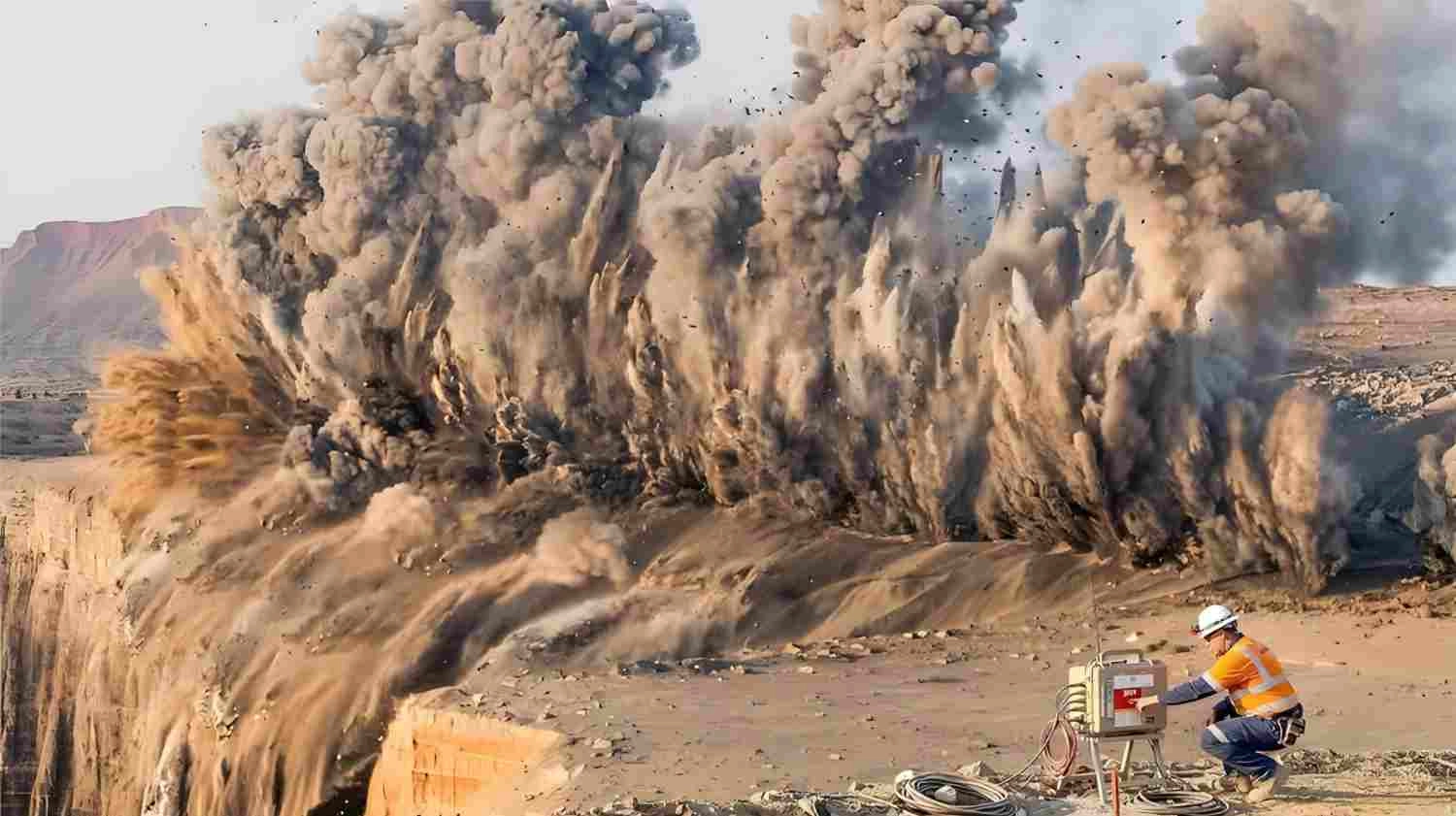
Water contamination presents a major threat to blasting efficiency in wet mining environments. Moisture degrades energetic materials and leads to costly misfires. Incorporating DDI CAS 68239-06-5 Dimeryl Diisocyanate into explosive formulations creates a durable barrier against water intrusion.
C38 Aliphatic Backbone Resistance
The long hydrocarbon chain in DDI acts as a powerful shield against moisture damage.
The extended aliphatic C38 backbone of DDI CAS 68239-06-5 Dimeryl Diisocyanate functions as an effective hydrophobic structure. This long hydrocarbon chain creates a steric shielding effect around the binder molecule. This structure lowers sensitivity to moisture and enhances chemical stability in aqueous environments. Consequently, the polyurethane matrix prevents water penetration even under high pressure.
Borehole Water Dissolution Prevention
Blasting engineers often encounter flooded boreholes during field operations. Standing water dissolves unprotected oxidizer salts like ammonium nitrate. DDI-based binders encapsulate these sensitive salts within a water-tight polymer network.
· The binder coats every oxidizer particle completely.
· The hydrophobic matrix repels surrounding borehole fluid.
· The mixture retains high energetic density despite heavy water exposure.
Post-Blast Toxic Fume Reduction
Dissolved oxidizers alter the oxygen balance during detonation. Poor combustion generates high levels of toxic gases like nitrogen oxides ($NO_x$) and carbon monoxide.
Binder Type | Moisture Resistance | Fume Generation Risk |
Standard Isocyanates | Low | High (Due to water damage) |
DDI Polyurethanes | Excellent | Low (Maintains clean burn) |
DDI keeps the oxidizers dry and ensures full fuel consumption. Complete detonation minimizes post-blast toxic fumes, allowing faster site clearance and safer working conditions for mining crews.
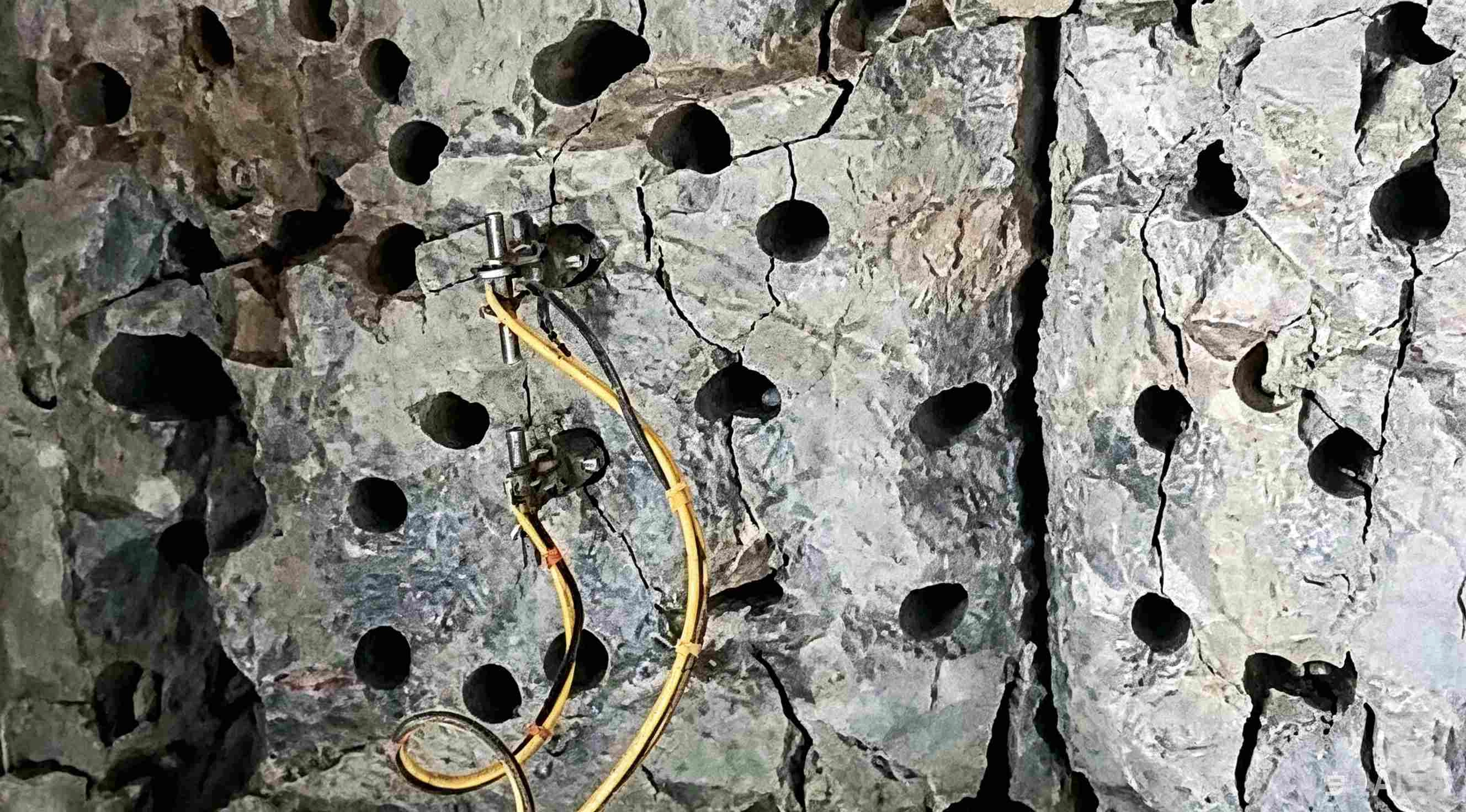
Enhanced Elasticity via DDI CAS 68239-06-5 Dimeryl Diisocyanate
Explosive matrices require strong mechanical flexibility to resist premature structural failure. Formulators rely on advanced crosslinkers to improve binder resilience under severe field conditions.
HTPB Matrix Elastomeric Crosslinking
Hydroxyl-terminated polybutadiene (HTPB) serves as a primary polymer resin in industrial energetic formulations. Adding DDI CAS 68239-06-5 Dimeryl Diisocyanate to the HTPB resin initiates a robust urethane reaction. The long, flexible dimeric fatty acid chains extend the polymer network distance between crosslink sites. This specific molecular design yields an extremely resilient elastomer. The cured binder maintains superior flexibility without sacrificing structural strength.
Dynamic Dynamic-Stress Absorption
Borehole loading and mechanical processing expose energetic materials to sudden mechanical shocks. Standard rigid binders often crack under rapid pressure changes.
Flexible DDI-cured networks absorb heavy kinetic energy and distribute dynamic stresses evenly throughout the matrix.
This energy dissipation prevents internal structural fractures during handling, compaction, and physical shock waves.
Oxidizer Particle Adhesion Integrity
Solid oxidizer particles must bond tightly with the binder matrix. Poor interfacial adhesion creates microscopic voids that destabilize detonation velocity.
· The low-polarity hydrocarbon backbone wets oxidizer surfaces thoroughly.
· Strong physical encapsulation prevents particle dewetting under mechanical strain.
· The durable polymer interface seals energetic components safely in place.
Binder System | Matrix Flexibility | Stress Resistance | Dewetting Risk |
Conventional Isocyanates | Low | Poor | High |
DDI-HTPB Polyurethane | High | Excellent | Extremely Low |
This enhanced adhesion guarantees uniform density across the charge column, ensuring predictable and reliable energy output during ignition.
Safety Upgrades with DDI CAS 68239-06-5 Dimeryl Diisocyanate

Image Source: pexels
Safety remains a top priority during the manufacturing, transport, and storage of commercial explosives. Modern formulations utilize specialized curing agents to reduce handling hazards and increase operational safety.
Reduced Mechanical Shock Sensitivity
Flexible binder networks shield sensitive oxidizer crystals from direct friction and mechanical impact. DDI CAS 68239-06-5 Dimeryl Diisocyanate creates a durable, elastomeric polyurethane matrix that absorbs heavy kinetic forces. This cushioned structure dampens localized stress concentration points during rough transport and field loading.
· Elastic cushioning reduces internal particle friction.
· Stabilized charges lower accidental ignition risks from dynamic physical shocks.
· Formulations achieve consistent safety margins across unpredictable field conditions.
Low Vapor Pressure Processing
Exceptional chemical stability provides safer manufacturing environments for chemical plant technicians.
DDI contains a long 36-carbon dimer fatty acid backbone that provides superior moisture resistance and flexibility. Its exceptionally low vapor pressure and minimal odor mitigate inhalation hazards during industrial mixing. This unique molecular structure delivers lower toxicity profiles than conventional isocyanates like TDI and IPDI, establishing a much safer production standard for binder systems.
Extended Storage Matrix Aging
Environmental exposure often degrades commercial explosives during long shelf storage periods. Unstable binder materials soften or crack under temperature fluctuations.
Storage Factor | Standard Curing Agents | DDI Polyurethane Binders |
Matrix Degradation | High risk over time | Minimal structural change |
Moisture Absorption | Moderate to High | Extremely Low |
Shelf Life | Limited | Significantly Extended |
The hydrophobic backbone resists hydrolysis during extended storage cycles. Chemical technicians observe minimal structural breakdown over long periods. As a result, stored products retain predictable performance characteristics and stable energetic outputs until final ignition.
DDI CAS 68239-06-5 Dimeryl Diisocyanate optimizes mining efficiency. It eliminates water-induced misfires and maintains structural integrity under heavy borehole stress. Adopting DDI-based polyurethanes enhances handling safety, extends shelf life, and minimizes post-blast toxic fumes.
Energetic material specialists should request samples and consult technical experts to upgrade next-generation commercial explosives.
FAQ
What makes DDI CAS 68239-06-5 ideal for wet borehole blasting? 💧
DDI features a hydrophobic C38 aliphatic backbone. This long carbon chain prevents water penetration and protects sensitive oxidizers from dissolution inside flooded boreholes.
How does DDI improve handling safety during manufacturing? 🛡️
DDI exhibits extremely low vapor pressure and reduced toxicity. Chemical plant technicians experience fewer inhalation hazards during mixing operations compared to conventional isocyanates.
Why does DDI enhance matrix elasticity in energetic formulations? 🧬
Flexible dimeric fatty acid chains extend distances between crosslink sites. This elastomeric network absorbs dynamic mechanical shocks without cracking or breaking oxidizer adhesion.

 English
 English
  Spanish
  Russian
  Arabic
  French
  German
  Portuguese
  Turkish
  Dutch
Dutch  Polish
  Korean
  Vietnamese
  Indonesian
 02. Jul, 2026