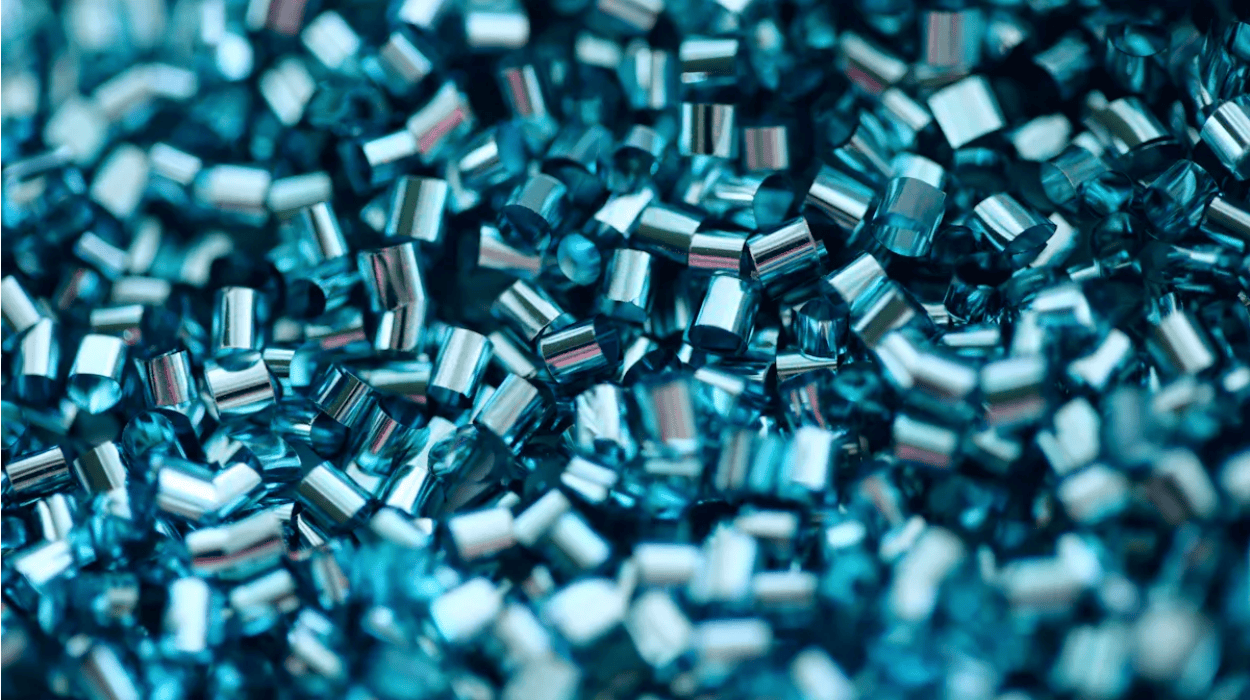
You rely on HTPB-based adhesives for bonding rubber to metal in automotive industry to achieve stronger and more reliable joints. Recent tests show that a 30% epoxidized HTPB polyurethane delivers nearly three times higher shear strength than older options. The automotive sector now adopts these adhesives as fuel efficiency and emission standards become stricter.
· HTPB-based adhesives provide nearly three times higher shear strength than traditional options, ensuring stronger and more reliable rubber-to-metal bonds in automotive manufacturing.
· These adhesives resist harsh conditions like heat, chemicals, and mechanical stress, leading to fewer failures and improved safety in vehicles.
· Using HTPB-based adhesives helps manufacturers meet strict environmental standards, reduce vehicle weight, and enhance fuel efficiency, supporting sustainability goals.
HTPB-Based Adhesives for Bonding Rubber to Metal in Automotive Industry: Solving Key Challenges
Limitations of Traditional Bonding Methods
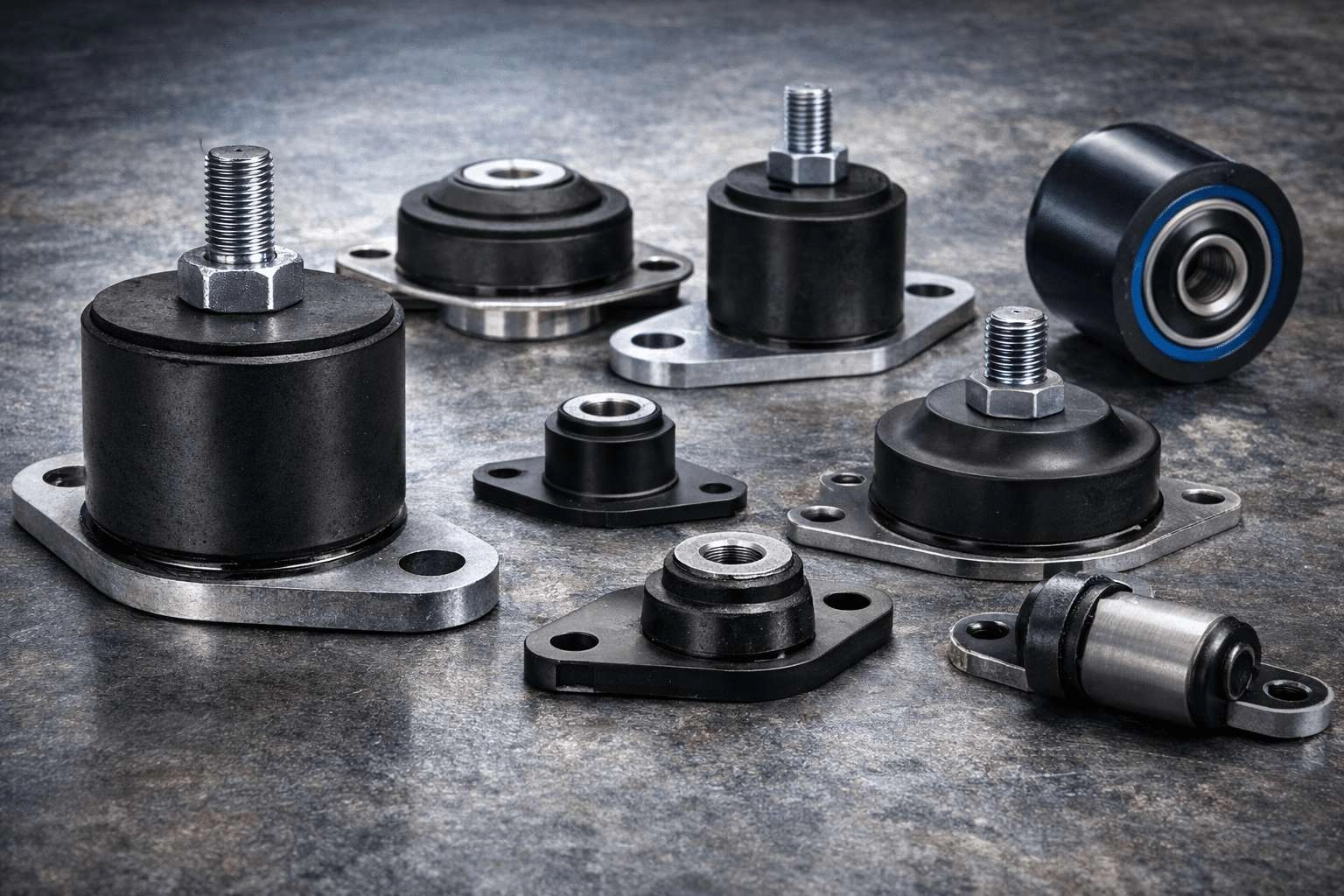
You face many challenges when you use older adhesives to bond rubber to metal in cars. Traditional methods often rely on NBR rubber adhesives or chemical coupling systems. These adhesives struggle to keep bonds strong when exposed to heat, chemicals, or mechanical stress. You may notice that the bond weakens over time, especially when the vehicle operates in harsh environments.
Many failures happen because the surface preparation is inconsistent or the adhesive cannot handle oil and fuel exposure. This leads to problems like rubber separating from the adhesive or even tearing apart.
Here is a table that shows common failure modes with traditional bonding methods:
Failure Mode | Description |
Adhesive Failure | The rubber separates from the adhesive layer, showing issues with surface preparation or bonding. |
Cohesive Failure | The rubber tears, which means the bond is stronger than the rubber itself. |
Substrate Failure | The metal fails before the bond, suggesting problems with the metal's load capacity. |
You also see weaknesses in NBR rubber adhesives. They often degrade when exposed to thermal cycling and chemicals. Oil resistance makes adhesion more complicated. These issues can cause the bond to fail, which affects the safety and reliability of the vehicle.
Automotive Industry Demands for Rubber-to-Metal Bonding
Automotive manufacturers set strict requirements for rubber-to-metal bonds. You need adhesives that can handle constant dynamic stress and extreme temperatures. The bond must resist oils, fuels, and other chemicals. It must stay strong throughout the life of the vehicle.
· Rubber-to-metal bonds must withstand dynamic stress.
· They need to endure extreme temperatures.
· The adhesives must resist oils and fuels.
· The bond must last for the entire product lifespan.
You must monitor adhesive performance at critical points in the production line. Detecting contamination or degradation early helps you prevent failures and improve safety. Standardizing surface quality across supply chains ensures consistent adhesion. Measuring surface quality, such as using water contact angle tests, gives you real-time feedback on how ready the surface is for bonding.
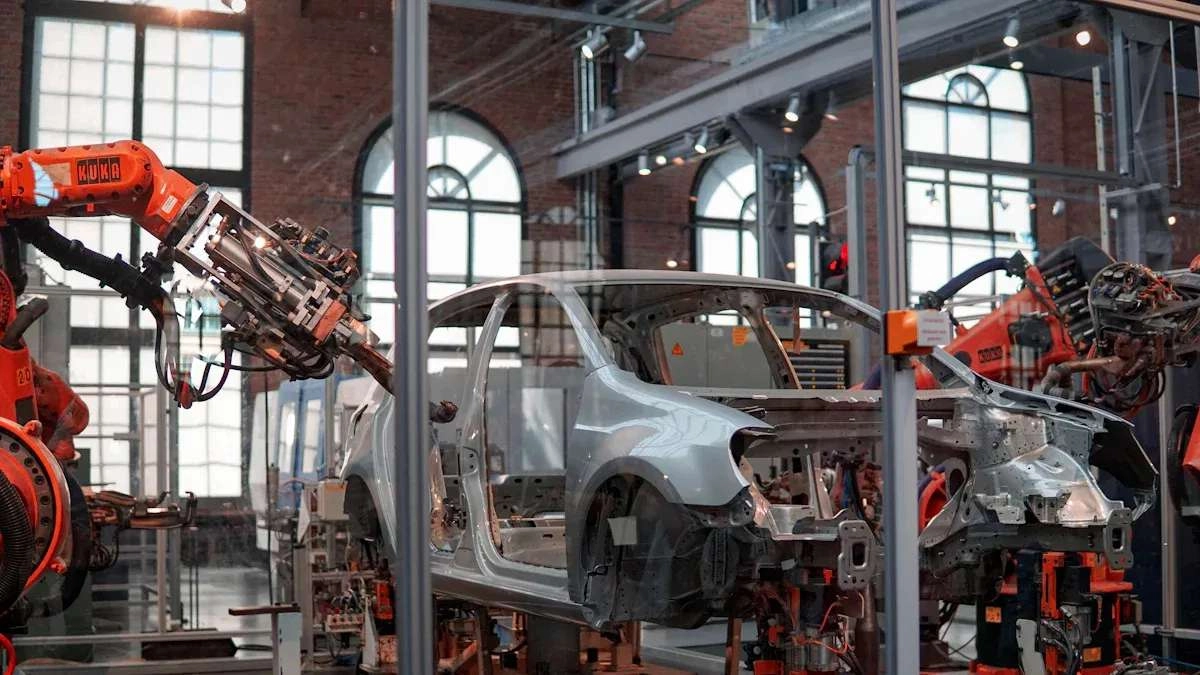
Environmental concerns and regulations push you to find better solutions. HTPB-based adhesives for bonding rubber to metal in automotive industry offer hydrophobic properties and stability. These adhesives support efforts to reduce environmental footprints. You see more bio-based and recyclable HTPB formulations, which align with global sustainability goals. Regulatory bodies set strict standards for adhesive use, so you must stay updated and adapt your practices.
You also need adhesives that help reduce vehicle weight and improve fuel efficiency. HTPB-based adhesives for bonding rubber to metal in automotive industry provide mechanical strength and flexibility. Their lightweight nature helps you lower the overall weight of the vehicle, which leads to fuel savings and supports sustainability.
When you use HTPB-based adhesives for bonding rubber to metal in automotive industry, you meet the demands for durability, safety, and environmental responsibility. These adhesives help you solve the challenges that traditional methods cannot address.
Performance Advantages of HTPB-Based Adhesives for Bonding Rubber to Metal in Automotive Industry
Unique Properties and Mechanisms of HTPB-Based Adhesives
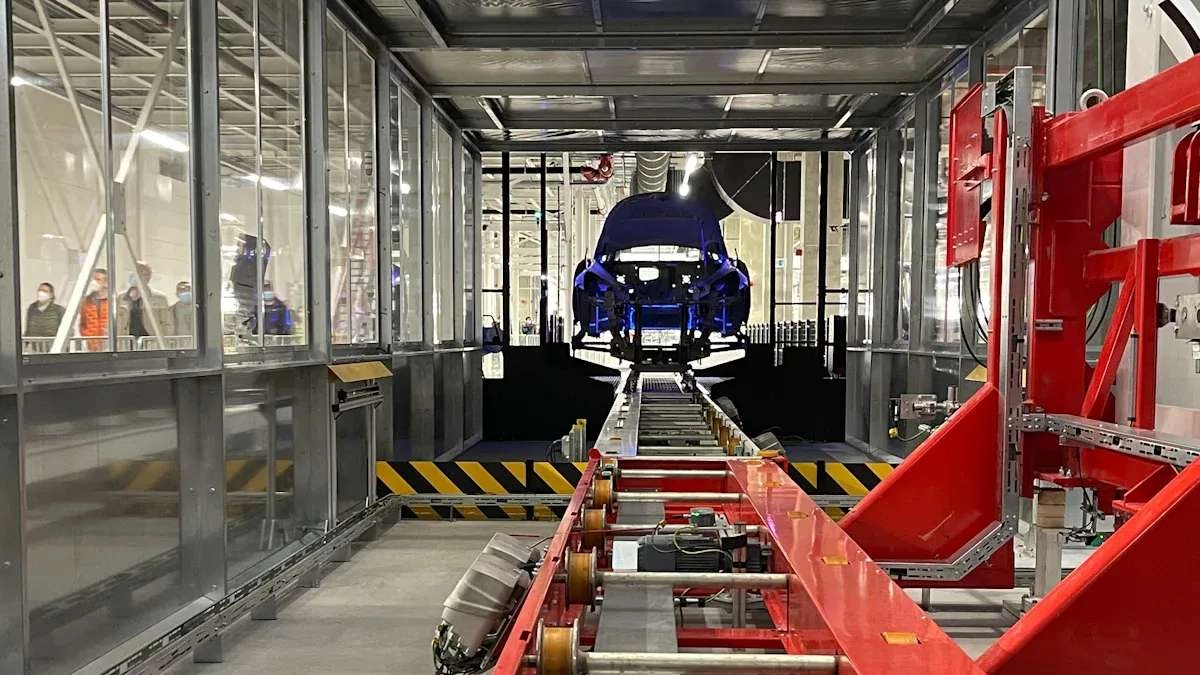
You need adhesives that work well in tough automotive settings. HTPB-based adhesives for bonding rubber to metal in automotive industry stand out because of their special chemical and physical properties. These adhesives stay flexible even in freezing weather. They also hold strong under stress and last longer when exposed to sunlight or chemicals.
Here is a table that shows why these adhesives work so well:
Property | Benefit |
Low Glass Transition Temperature | Keeps the adhesive flexible at very low temperatures. No cracking or brittleness. |
Strong Adhesion | Holds rubber and metal together with high strength, even under heavy loads. |
Environmental Resistance | Stays strong in sunlight and harsh weather, especially when you add stabilizers. |
The way these adhesives work also makes a big difference. You get better results because of the following mechanisms:
Mechanism | Description |
Hydroxyl Functionality | Special groups in the adhesive make curing more reliable and bonds stronger. |
Formulation Engineering | Careful design helps the adhesive work well in tough jobs, like waterproofing. |
Epoxidation | This process makes the adhesive thicker and helps it stick better to surfaces. |
Enhanced Adhesion | Epoxide groups help the adhesive resist oils and solvents, making it last longer. |
You can see that these unique features help you create strong, flexible, and long-lasting bonds between rubber and metal.
Durability and Resistance to Harsh Automotive Environments
You want your adhesive bonds to last as long as the vehicle does. HTPB-based adhesives for bonding rubber to metal in automotive industry give you that peace of mind. These adhesives go through tough tests to make sure they can handle real-world conditions.
Some of the tests include:
· Thermal cycling: The adhesive faces hot and cold over and over to check if it stays strong.
· Fatigue testing: The bond gets pulled and pushed many times to see how long it lasts.
· Dynamic mechanical analysis: This test checks how the adhesive reacts to stress and movement.
· Accelerated vibration testing: The adhesive faces shaking and movement, just like in a real car.
· Industry standards: Tests like ASTM D1002 and MIL-STD-810 make sure the adhesive meets strict rules.
Vibration and fatigue can cause cracks in weak adhesives. HTPB-based adhesives resist these problems, so you get fewer failures.
You also get better results when you compare these adhesives to older types. Look at this table to see how they stack up:
Property | HTPB-based Adhesives | Other Adhesives |
Durability | Outstanding | Varies |
Flexibility | High | Varies |
Chemical Resistance | Excellent | Moderate to Low |
Resistance to Hydrocarbons | Yes | Limited |
Low-Temperature Endurance | Yes | Limited |
Thermal Cycling Resistance | High | Varies |
You can trust these adhesives to keep working, even when exposed to oil, heat, and vibration. They also resist wear and absorb energy, which helps in high-stress parts of the car.
Real-World Application Benefits
When you use HTPB-based adhesives for bonding rubber to metal in automotive industry, you see real improvements in your work. Automotive manufacturers report that these adhesives help them build cars faster and with better quality. You can use lighter materials, which helps you meet fuel efficiency and emissions rules.
The automotive industry keeps growing, and more companies want lightweight, high-performance materials. HTPB-based adhesives help you reach these goals. You get safer, more efficient vehicles, and you can keep up with new trends.
You also save time and money on repairs. These adhesives last longer, so you do not need to fix or replace parts as often. Here are some long-term benefits you will notice:
· High durability, even in tough conditions.
· Resistance to chemicals and high temperatures.
· Oil resistance, so the bond does not break down.
· Heat resistance for strong bonds in hot areas.
· Wear resistance for parts that move a lot.
· Better energy absorption, which protects parts during impacts.
You can rely on these adhesives to keep your vehicles safe and strong for years. They help you meet strict standards and keep your customers happy.
Comparing HTPB-Based Adhesives for Bonding Rubber to Metal in Automotive Industry with Traditional Solutions
Performance and Reliability Differences
You want your adhesive bonds to last and perform under stress. HTPB-based adhesives show much lower failure rates than older adhesives. In the automotive industry, the failure rate drops from 12% with old formulations to just 4% with EHTPB formulations. This means you get stronger, more reliable bonds that keep vehicles safe.
Industry | Failure Rate (Old Formulation) | Failure Rate (EHTPB Formulation) |
Automotive | 12% | 4% |
Electronics | 10% | 3% |
Construction | 15% | 5% |
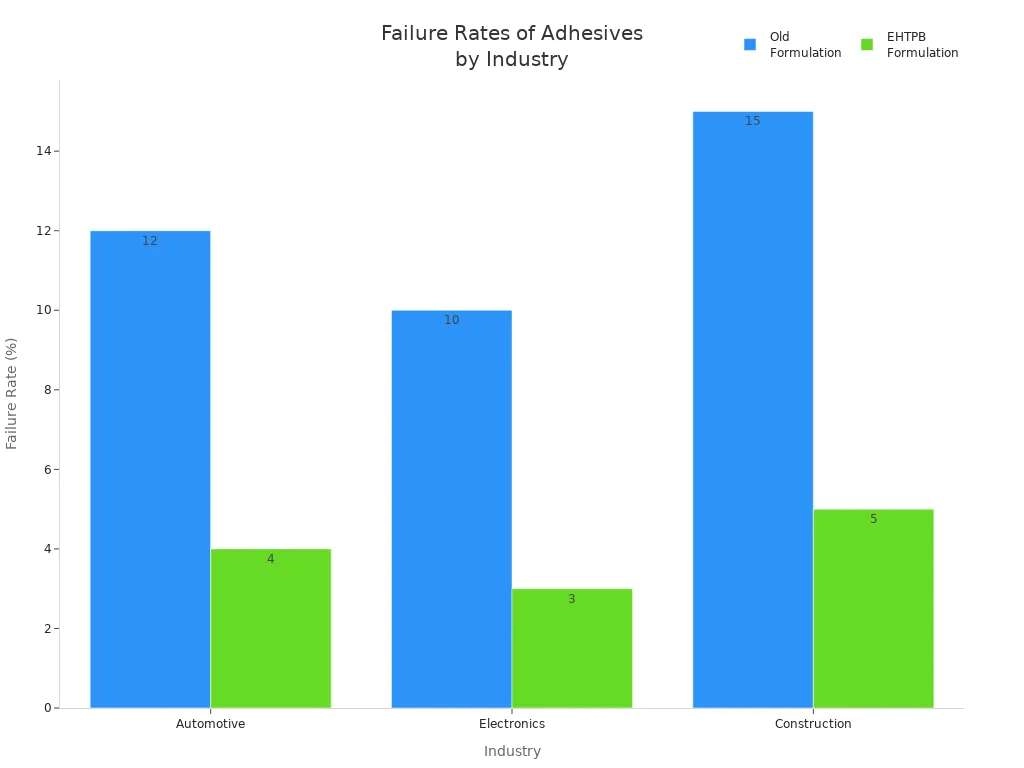
Image Source: statics.mylandingpages.co
You see that HTPB-based adhesives help reduce failures and improve reliability in real-world automotive use.
Efficiency and Cost Considerations
You need to think about costs and how easy it is to use these adhesives. The price of HTPB depends on raw material costs, especially butadiene. Sometimes, prices change because of supply issues or changes in crude oil prices. Over the past five years, butadiene prices have changed by up to 20%. Manufacturers often use price hedging to manage these risks.
· HTPB prices change with raw material costs.
· Production costs rise if butadiene supply drops.
· Oil price changes affect butadiene and HTPB costs.
· Geopolitical events can disrupt supply and raise prices.
Even with these changes, you benefit from HTPB’s easy processing and low emissions, which can save time and money in large-scale production.
Automotive Case Studies
You see HTPB-based adhesives used in many high-volume automotive applications. Their low viscosity makes them easy to apply, and they bond well to different materials. You can use them for structural adhesives, sealants, and damping components. These adhesives meet industry standards and work well in tough conditions.
Aspect | Details |
Market Dynamics | Growth in HTPB segment follows global economic trends. |
Production Processes | Low viscosity allows easy processing and low VOC emissions. |
Application Characteristics | Bonds to different materials and stays flexible at low temperatures. |
You can trust these adhesives for reliable, efficient, and scalable solutions in automotive manufacturing.
You gain strong, reliable bonds with HTPB-based adhesives. The table below shows their key properties:
Property | Description |
Hydrophobicity | Repels water |
Excellent mechanical properties | Performs well at low temperatures |
Strong wear resistance | Lasts longer under stress |
Excellent adhesion | Bonds to many surfaces |
Low moisture permeability | Keeps moisture out |
· The market for these adhesives grows quickly.
· New research and eco-friendly trends drive innovation.
FAQ
What makes HTPB-based adhesives better for rubber-to-metal bonding?
You get stronger bonds and better resistance to oil, heat, and vibration. These adhesives help your parts last longer in tough automotive conditions.
Can you use HTPB-based adhesives for different car parts?
You can use them for engine mounts, bushings, and seals.
· They work well with many rubber and metal types.
Are HTPB-based adhesives safe for the environment?
You help protect the environment when you choose HTPB-based adhesives.

 English
 English
  Spanish
  Russian
  Arabic
  French
  German
  Portuguese
  Turkish
  Dutch
Dutch  Polish
  Korean
  Vietnamese
  Indonesian
 31. Aug, 2026