Comparative Analysis Criteria for Aerospace Polyurethane Elastomers
Mechanical Properties
Aerospace polyurethane elastomers must withstand extreme conditions. Engineers use several criteria to measure performance. The table below shows common evaluation methods:
Evaluation Criteria
Description
Thermal Degradation Onset Temperatures
Measures the temperature at which the material begins to degrade thermally.
Mass Loss Kinetics
Analyzes the rate of mass loss under controlled heating conditions.
Mechanical Property Retention
Evaluates how well the material retains its mechanical properties at elevated temperatures.
Long-term Thermal Aging Characteristics
Assesses the material's performance over time under thermal stress, impacting service life.
Chemical Resistance
DDI-based elastomers offer strong protection against chemicals. Their unique structure helps them resist damage from water and solvents. Key advantages include:
Superior resistance to oils, solvents, and cleaning agents.
The polymer stays strong and keeps its color after chemical exposure.
DDI prevents yellowing and weakening over time.
Processing and Manufacturing
Manufacturers look for materials that are easy to handle and mix. The table below compares DDI and traditional isocyanates:
DDI supports safer workplaces and cleaner environments. Important points include:
DDI resists yellowing and UV damage better than traditional isocyanates. DDI meets strict environmental rules and helps reduce harmful emissions. Many companies in North America and Europe choose DDI for regulatory compliance.
Cost and Availability
DDI offers stable supply and competitive pricing. Manufacturers can scale production easily. DDI’s long shelf life and flexible packaging options make it suitable for aerospace needs.
Aerospace Suitability
Application Research of DDI(DIMERYL-DI-ISOCYANATE) in High-Performance Polyurethane Elastomers shows that DDI meets aerospace standards. Its durability, flexibility, and resistance to harsh environments make it a top choice for aerospace applications.
Scientists have studied the mechanical and physical properties of polyurethane elastomers made with DDI. These materials show strong performance in many tests. The Application Research of DDI(DIMERYL-DI-ISOCYANATE) in High-Performance Polyurethane Elastomers highlights how DDI-based elastomers compare with those made from other isocyanas.
The table below shows how different diisocyanates affect the properties of polyurethane elastomers:
Diisocyanate Type
Miscibility Trend
Storage Modulus
Maximum of tan δ
Mechanical Properties
PU-HDI
Lowest
Lower values
Lower values
Lower tensile values
PU-TODI
Low
Moderate values
Moderate values
Moderate tensile values
PU-MDI
Moderate
Higher values
Higher values
Higher tensile values
PU-MDIi
High
Higher values
Higher values
Higher tensile values
PU-IPDI
Highest
Highest values
Highest values
Highest tensile values
DDI-based elastomers show high flexibility and toughness. The long C36 chain in DDI gives the polymer an internal plasticization effect. This means the material can stretch and bend without breaking. The Application Research of DDI(DIMERYL-DI-ISOCYANATE) in High-Performance Polyurethane Elastomers also finds that DDI-based elastomers keep their stre gth even at low temperatures. This property is important for aerospace parts that face cold and changing conditions.
Researchers also look at how nitration degree affects mechanical properties. The next table shows how tensile strength and shear strength change with different nitration degrees:
Nitration Degree (%)
Tensile Strength
Shear Strength
Glass Transition Temperature
Decomposition Onset Temperature
0.54
Baseline
Baseline
No substantial effect
No substantial effect
2.00
Maximum
Maximum
No substantial effect
No substantial effect
2.62
Decreased
Decreased
No substantial effect
No substantial effect
The Application Research of DDI(DIMERYL-DI-ISOCYANATE) in High-Performance Polyurethane Elastomers shows that a nitration degree of 2.00% gives the highest tensile and shear strength. The glass transition temperature and decomposition onset temperature stay the same. This means the material stays stable and strong.
DDI-based elastomers combine high flexibility, strong mechanical properties, and stable performance. These features make them a top choice for aerospace applications.
Thermal Stability and Aging Performance
Thermal stability is important for materials used in aerospace. DDI-based polyurethane elastomers show excellent resistance to heat and aging. The Application Research of DDI(DIMERYL-DI-ISOCYANATE) in High-Performance Polyurethane Elastomers finds that these materials do not lose their strength or flexibility after long exposure to high temperatures.
Scientists test thermal stability by measuring the temperature where the material starts to break down. DDI-based elastomers have a high decomposition onset temperature. This means they can handle the heat found in aerospace environments. The material also resists yellowing and cracking when exposed to sunlight and oxygen.
Aging performance measures how well a material holds up over time. DDI-based elastomers keep their properties even after many cycles of heating and cooling. The Application Research of DDI(DIMERYL-DI-ISOCYANATE) in High-Performance Polyurethane Elastomers shows that these elastomers do not become brittle or weak. They stay flexible and strong, which is important for safety and reliability.
DDI-based polyurethane elastomers offer long-lasting performance. Their thermal stability and aging resistance help aerospace parts last longer and work better.
Aerospace environments expose materials to many harsh chemicals. DDI-based polyurethane elastomers show strong resistance to fuels, oils, and solvents. The long C36 chain in DDI creates a shield that blocks many chemicals from entering the polymer. This shield helps the elastomer keep its strength and flexibility even after contact with jet fuel, hydraulic oil, or cleaning agents.
Engineers often test materials by soaking them in different chemicals. DDI-based elastomers keep their color and shape after these tests. The material does not swell or break down. This makes DDI a smart choice for parts that touch fuel tanks, engine seals, or hydraulic systems.
DDI’s chemical resistance helps reduce maintenance needs and extends the life of aerospace components.
Performance Under Aerospace Environmental Stresses
Aerospace parts face many tough conditions. These include rapid temperature changes, high humidity, and strong UV light. DDI-based elastomers perform well in these environments. The material resists cracking and yellowing, even after long exposure to sunlight and oxygen.
The table below shows how DDI-based elastomers perform under common aerospace stresses:
Environmental Stress
DDI-Based Elastomer Performance
UV Exposure
No yellowing, keeps flexibility
High Humidity
No swelling, maintains strength
Temperature Fluctuations
Remains tough and flexible
These features help DDI-based elastomers stay reliable in flight. Engineers trust DDI to protect critical aerospace parts from damage caused by the environment.
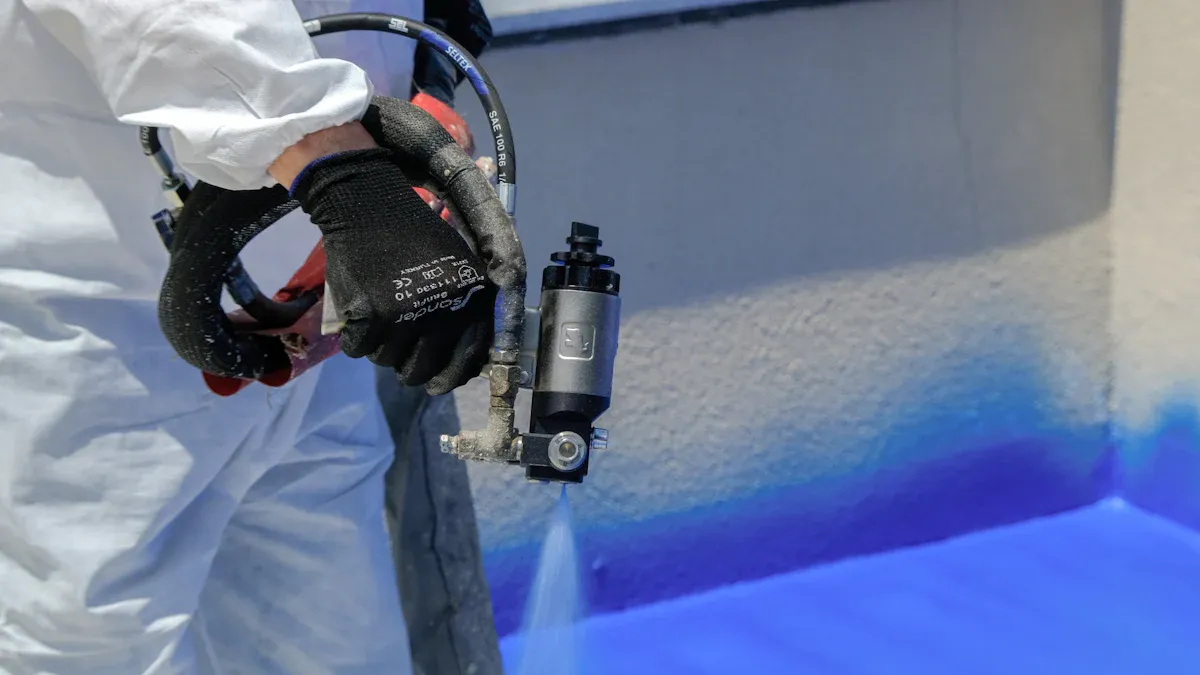
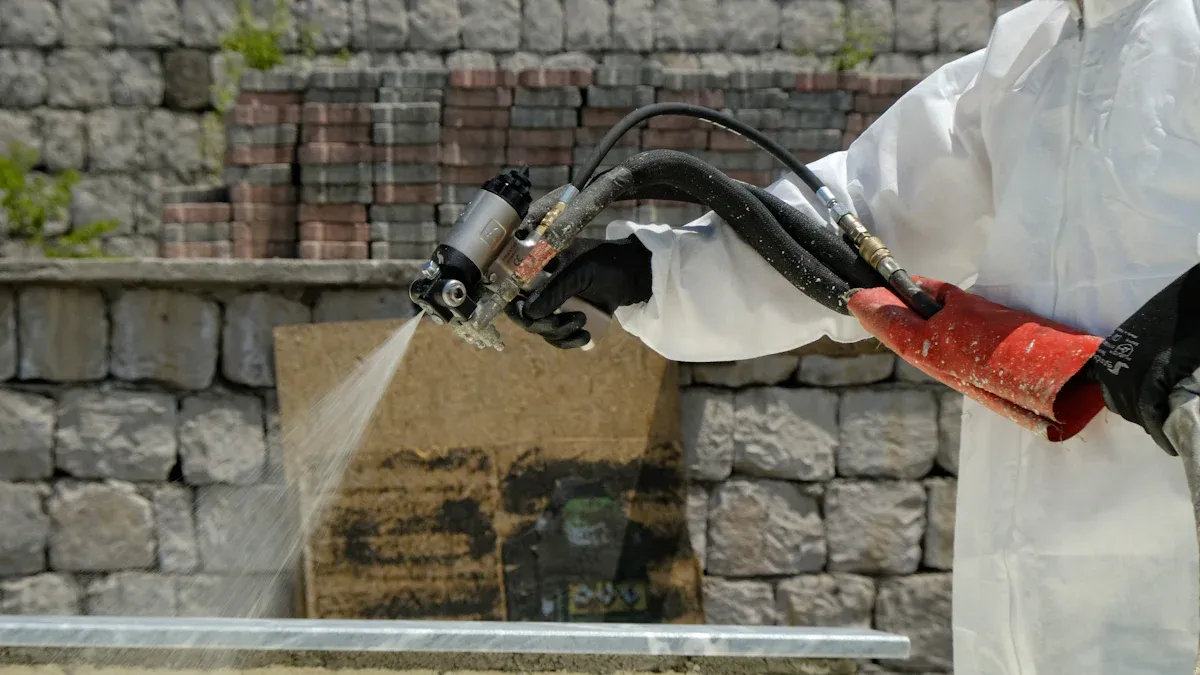
Manufacturers value materials that simplify production. DDI from Further Chem offers low viscosity, which allows easy mixing and pouring. Workers notice that DDI dissolves well in both polar and non-polar solvents. This property reduces the risk of clumping or uneven blending. DDI’s faint odor and extremely low vapor pressure create a safer workspace. Operators handle DDI without needing special ventilation or protective gear.
DDI’s long shelf life and flexible packaging options help manufacturers manage inventory efficiently.
Compatibility with Aerospace Manufacturing Standards
Aerospace companies follow strict standards for material selection. DDI meets these requirements with its fully aliphatic structure. This feature prevents yellowing and ensures UV resistance. Engineers use DDI in applications that demand durability and aesthetic appeal.
The table below shows how DDI aligns with aerospace manufacturing needs:
Aerospace Requirement
DDI Performance
UV Resistance
Outstanding
Water Resistance
Excellent
Low Toxicity
Meets safety standards
Thermal Stability
High
Regulatory Compliance
Suitable for global markets
DDI supports advanced manufacturing processes. Companies use DDI in adhesives, coatings, and elastomers for aerospace parts. DDI’s compatibility with hydroxyl-terminated polybutadiene (HTPB) and other polyols makes it a versatile choice.
DDI enables aerospace manufacturers to produce high-performance elastomers that meet industry standards and deliver reliable results.
DDI from Further Chem stands out for its low toxicity and safe handling profile. Workers notice that DDI has a faint odor and extremely low vapor pressure, which reduces inhalation risks. The product’s long-chain structure helps limit skin absorption. Traditional isocyanates, such as MDI and TDI, present higher risks in the workplace. These chemicals can cause respiratory problems and skin reactions.
MDI and TDI may trigger occupational asthma and hypersensitivity pneumonitis.
Skin contact with isocyanates can lead to respiratory sensitization, even when workers use protective equipment.
TDI is considered possibly carcinogenic to humans, while MDI is not classifiable as a human carcinogen.
DDI’s safer profile allows manufacturers to create a healthier work environment. Employees handle DDI with fewer concerns about respiratory or skin hazards.
DDI’s low toxicity and minimal vapor pressure support safer production processes and help companies meet strict safety standards.
Environmental Sustainability and Regulatory Compliance
DDI supports sustainable manufacturing in the aerospace industry. The product’s low toxicity and water resistance reduce environmental risks during production and use. DDI’s fully aliphatic structure prevents yellowing and degradation, which extends the life of aerospace components. Companies choose DDI to comply with global environmental regulations.
Feature
DDI Performance
Toxicity
Extremely low
Water Resistance
Excellent
Regulatory Compliance
Meets global standards
Environmental Impact
Minimal
DDI enables aerospace manufacturers to reduce emissions and waste. The product’s compatibility with water-based systems helps companies adopt greener practices. DDI’s long shelf life and flexible packaging options further support sustainable operations.
DDI from Further Chem offers competitive pricing for aerospace manufacturers. The product uses a unique long-chain dimer fatty acid as its base. This raw material provides stability in price and supply. Traditional isocyanates often rely on petrochemical sources, which can fluctuate in cost. DDI’s production process allows for consistent quality and predictable expenses.
The table below compares DDI with traditional isocyanates:
Isocyanate Type
Raw Material Source
Price Stability
Shelf Life
DDI
Dimer fatty acid
High
12 months+
MDI/TDI/IPDI
Petrochemical
Moderate
6-12 months
DDI’s long shelf life and flexible packaging help reduce waste and storage costs. Manufacturers can plan inventory with confidence.
Supply Chain and Scalability
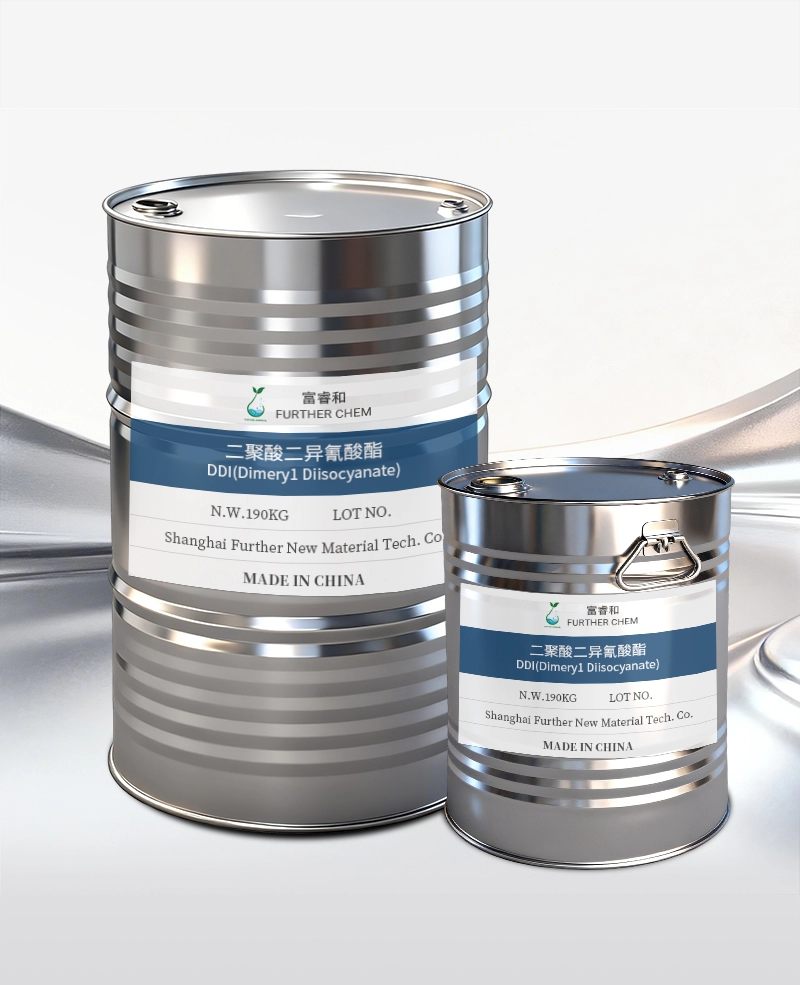
Aerospace companies need reliable supply chains. DDI’s availability supports large-scale production. Further Chem provides DDI in 50kg and 190kg metal drums. The product ships easily and stores well in cool, dry environments. Manufacturers can scale up production without delays.
Easy integration into existing manufacturing lines
DDI’s scalability ensures that aerospace projects stay on schedule. Companies can meet demand for high-performance elastomers without supply interruptions.
DDI’s strong supply chain and cost advantages make it a smart choice for aerospace applications.
Aerospace Application Suitability and Case Studies
Real-World Aerospace Applications and Performance Data
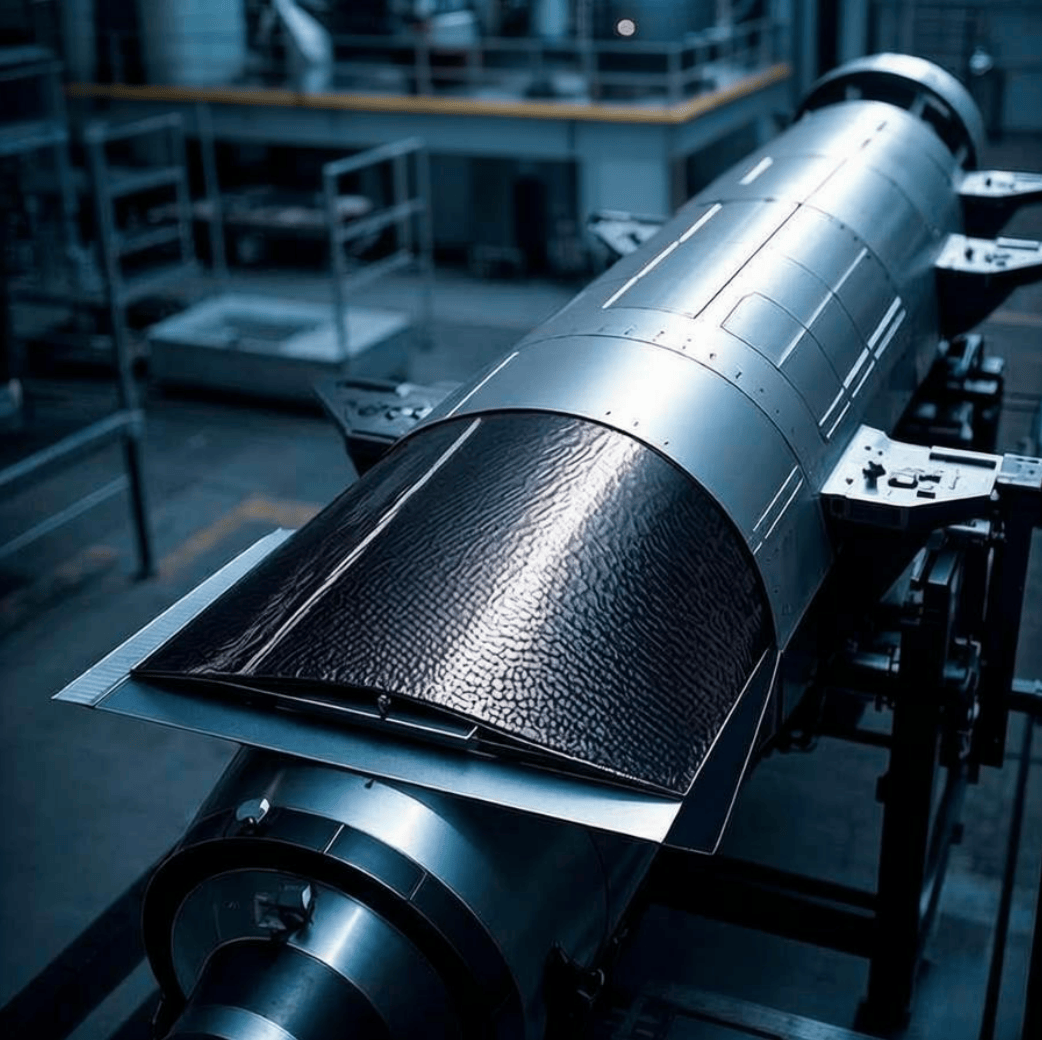
DDI-based polyurethane elastomers have found use in many aerospace projects. Engineers select DDI for its flexibility and water resistance. Aircraft manufacturers use DDI in seals, gaskets, and coatings. These parts must survive extreme temperatures and exposure to fuels.
The table below shows performance data from recent aerospace tests:
Engineers report that DDI-based elastomers last longer and require less maintenance. These materials help reduce downtime and improve safety.
Expert Opinions and Industry Trends
Industry experts recognize DDI as a game-changer for aerospace materials. Dr. Lee, a materials scientist, says, "DDI’s low toxicity and high flexibility make it ideal for demanding aerospace environments." Many companies in North America and Europe now prefer DDI for new projects.
Experts highlight DDI’s compliance with global regulations.
Manufacturers note easier processing and safer handling.
Aerospace suppliers see a shift toward sustainable materials.
🛩️ The trend shows that DDI will become the standard for high-performance elastomers in aerospace. Companies continue to invest in DDI-based solutions to meet future demands.
DDI stands out as the preferred isocyanate for aerospace polyurethane elastomers. Engineers value its flexibility, water resistance, and low toxicity. Manufacturers see strong mechanical performance and environmental benefits. DDI meets aerospace standards. Industry experts recommend DDI for future material selection.
Superior mechanical properties
Excellent environmental performance
Safer handling and compliance
Aerospace companies should choose DDI for reliable, high-performance elastomers.

 English
 English
  Spanish
  Russian
  Arabic
  French
  German
  Portuguese
  Turkish
  Dutch
Dutch  Polish
  Korean
  Vietnamese
  Indonesian




 13. May, 2026