 English
 English
 Spanish
 Russian
 Arabic
 French
 German
 Portuguese
 Turkish
 Dutch
 Polish
 Korean
 Vietnamese
 Indonesian


 Online Consultation
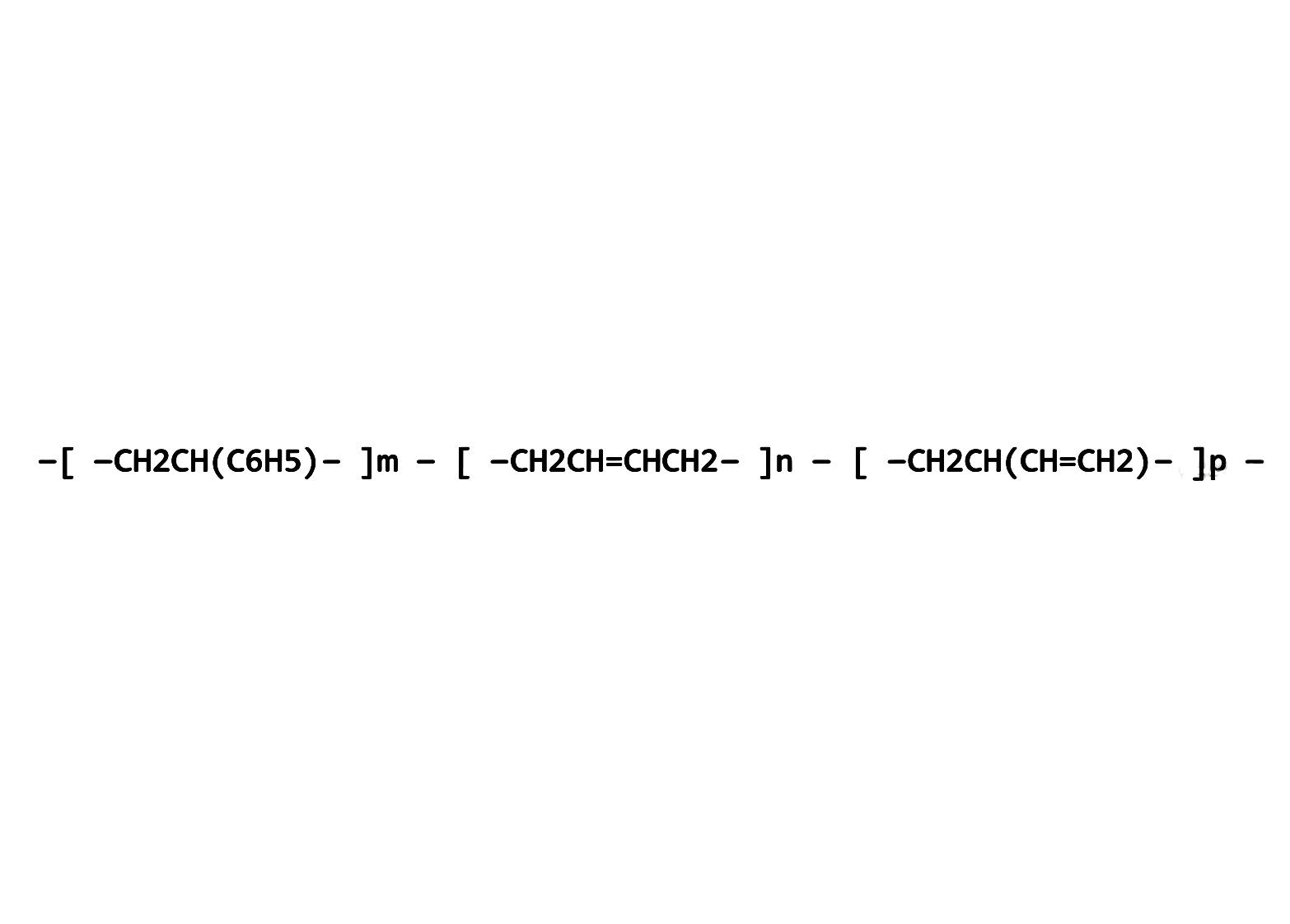
LSBR (Liquid Styrene Butadiene Rubber(LSBR) CAS No.9003-55-8 )
Liquid Butadiene Styrene Rubber
LSBR
CAS No.9003-55-8
Read More
Online Service

 Mobile/Wechat/Telegram: +86-18321679576
 WhatsApp:+86-13248126998
 Email:young@further-chem.com
Email:info@further-chem.com
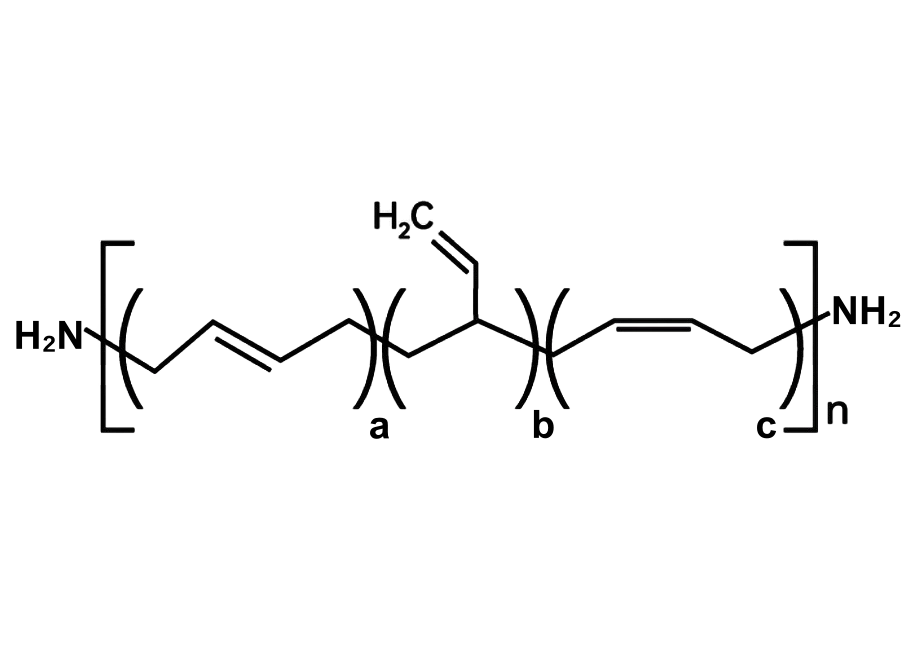
Amine-Terminated Polybutadiene
ATPB
Chemical Name: Amine-Terminated Polybutadiene
Code: ATPB
Product Description
ATPB(Amine-Terminated Polybutadiene) is a telechelic liquid rubber modified from HTPB (Hydroxyl-Terminated Polybutadiene). It has primary amine groups (-NH₂) at both ends and a polybutadiene backbone. It is a viscous liquid at room temperature.
Appearance: Light yellow to pale amber viscous liquid.
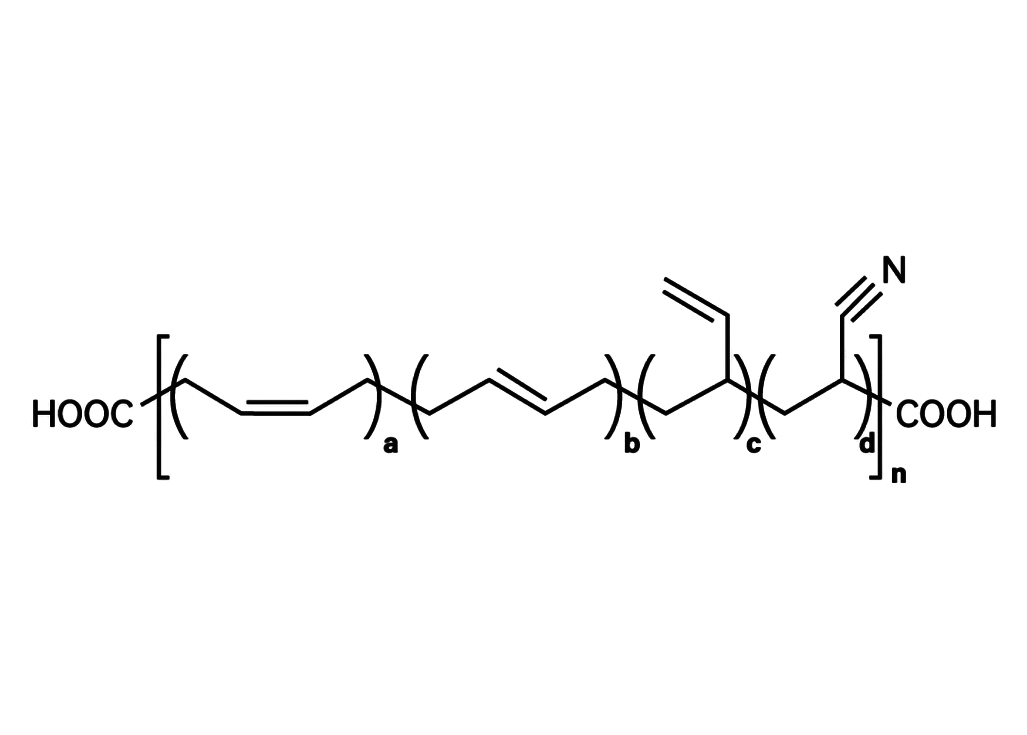
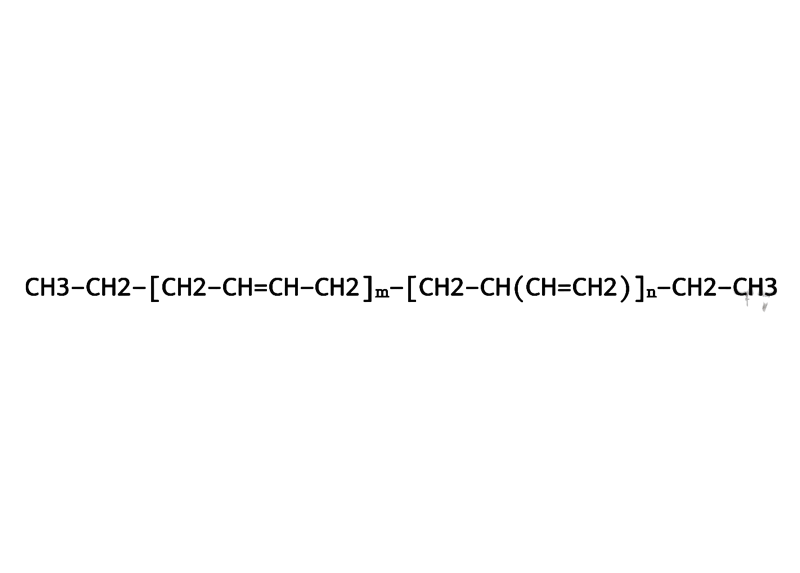
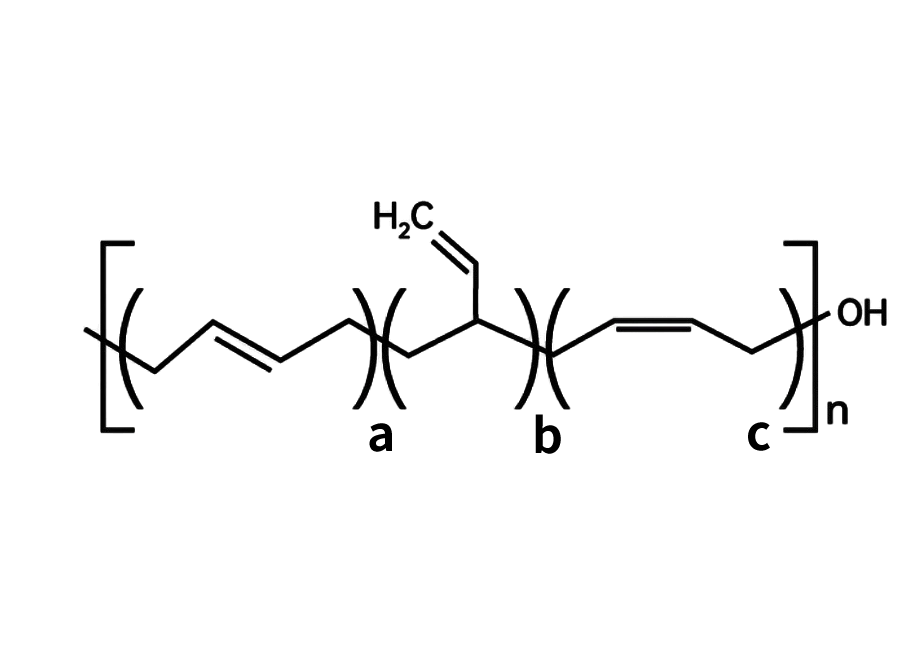
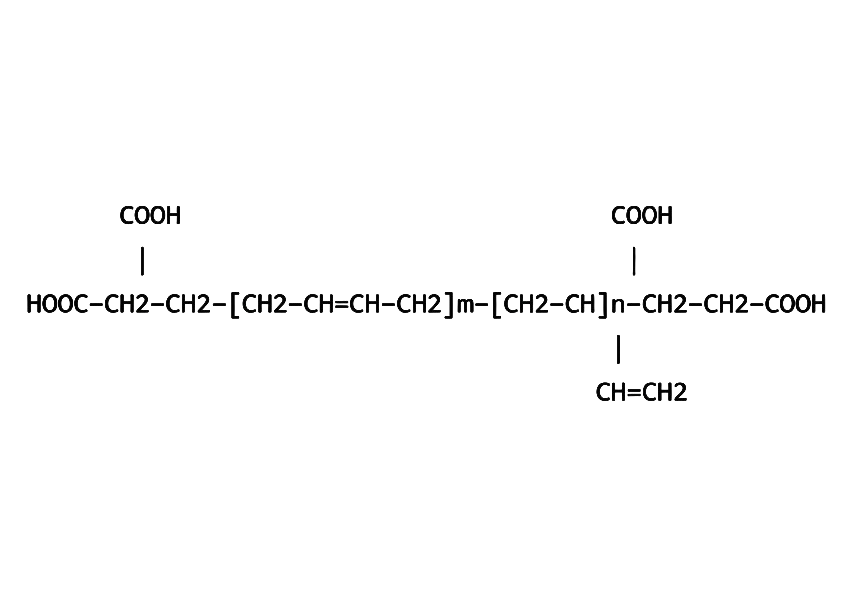
Structure: α,ω-diamino polybutadiene, consisting of cis-1,4, trans-1,4 and a small amount of 1,2-vinyl structures. Molecular weight is generally 2000–4000 and customizable.
Features: The amine groups show much higher reactivity than hydroxyl groups (in HTPB) and carboxyl groups (in CTBN). Amine groups can react directly with epoxy resins, isocyanates and acid anhydrides, functioning as both curing agent and toughener.
Product properties & Features
Advantages compared with HTPB:
High reactivity, faster curing speed, capable of participating in room-temperature epoxy curing.
Stronger interfacial bonding with epoxy matrix. It can improve toughness without causing obvious drop in tensile strength, which is a common drawback of HTPB-toughened epoxy.
Low dielectric constant, low water absorption and excellent low-temperature elasticity.
Limitations: Low polarity, resulting in weaker compatibility with neat epoxy than CTBN / ATBN; mediocre oil resistance.
Liquid Rubber Series Comparison (ATPB, HTPB, ATBN, CTBN, HTBN)
| Comparison Item | Chemical Name | End Group | Backbone | Core Features |
|---|---|---|---|---|
| ATPB | Amine-Terminated Polybutadiene | -NH₂ | Polybutadiene | High reactivity, good low-temperature performance, poor oil resistance; for epoxy toughening & propellants |
| HTPB | Hydroxyl-Terminated Polybutadiene | -OH | Polybutadiene | Classic propellant binder, cures with isocyanate |
| ATBN | Amine-Terminated Butadiene-Acrylonitrile copolymer | -NH₂ | Butadiene + acrylonitrile | High polarity, good oil resistance, good compatibility with epoxy |
| CTBN | Carboxyl-Terminated Butadiene-Acrylonitrile copolymer | -COOH | Butadiene + acrylonitrile | Most common epoxy toughener, good oil resistance |
| HTBN | Hydroxyl-Terminated Butadiene-Acrylonitrile Rubber | -OH | Butadiene + acrylonitrile | For oil-resistant polyurethane systems |
Applications
1. Epoxy resin toughener
Used alone or together with curing agents to form sea-island rubber phase for toughening. It improves impact resistance, crack resistance and fracture toughness. Typical scenarios include electronic potting, structural adhesives, composite matrix, epoxy flooring and carbon fiber prepregs.
2. Polyurethane / polyurea prepolymers
Reacts with isocyanates to form polyurea for elastomers, sealants and casting compounds. The reaction between amine and NCO proceeds much faster than hydroxyl-based systems, ideal for fast-curing formulations.
3. Solid propellant binder
Can partially replace HTPB systems. Amine groups interact better with oxidants and fillers, improving mechanical performance and aging stability of propellant grains.
4. Hyperdispersant and pigment dispersing aid
Terminal amine groups adsorb carbon black and inorganic powders, while polybutadiene segments are compatible with polyolefin / ABS, enhancing filler dispersion and reducing system viscosity.
5. Special coatings, waterproof membranes, electronic potting, aerospace seals.
Its low dielectric property suits high-frequency electronic encapsulation.
Packing & Storage
50kg/plastic drum or 180kg/metal drum packaging.
Storage should be cool, dry and ventilated. The shelf life is 12 months, after the expiration of the re-inspection can still be used.
Avoid rain and sun during transportation. Do not mix with strong oxidants.
Technical Index
| Item | Grade l | Grade ll | Grade lll | Grade lV | Grade V | Grade Vl |
| Appearance | achromatous or light yellow, no visible impurities | |||||
| Hydroxyl value,(mmol/g) | 0.47-0.53 | 0.54-0.64 | 0.65-0.70 | 0.71-0.80 | 0.81-1.00 | 1.00-1.40 |
| Viscosity(40°C Pa.s)≤ | 9.5 | 8.5 | 4.0 | 3.5 | 5.0 | 3.0 |
| Peroxide mass fraction,% | 0.04 | 0.04 | 0.05 | 0.05 | 0.10 | 0.10 |
| Moisture,wt% ≤ | 0.05 | 0.05 | 0.05 | 0.05 | 0.10 | 0.10 |
| Volatile Content,% ≤ | 0.5 | 0.5 | 0.65 | 0.65 | 1.0 | 1.0 |
| Molecular weight | 3800-4600 | 3300-4100 | 3000-3600 | 2700-3300 | 2300-3000 | 1600-2400 |
NOTE: We can customize ATPB according to customers' specification requirements.
By submitting this form, you consent to the storage of your data and
your interests in order to answer your enquiry. Further
information
on data processing, your rights and revocation can be found in our
privacy policy.