

English
Pultruded fiberglass performs best when the resin system matches the application. HTPB improves fiber bonding, toughness, and environmental resistance, making composite profiles more durable for infrastructure, transportation, and industrial use.
HTPB-based adhesives combine strong adhesion with excellent moisture resistance, making them a practical choice for long-lasting building waterproofing. This article explains how their unique polymer structure improves durability, flexibility, and chemical resistance while comparing their performance with conventional waterproofing materials in real construction applications.
Not every polyisocyanate crosslinker performs the same. This guide explains how adhesive chemistry, curing conditions, and application requirements influence crosslinker selection, helping manufacturers achieve stronger, longer-lasting bonds.
Choosing a replacement for Desmodur RE requires more than comparing product names. This guide examines the technical differences between Further's RE and Desmodur RE, covering chemical properties, crosslinking performance, application compatibility, processing requirements, cost, and industrial use cases to help manufacturers make informed material selection decisions.
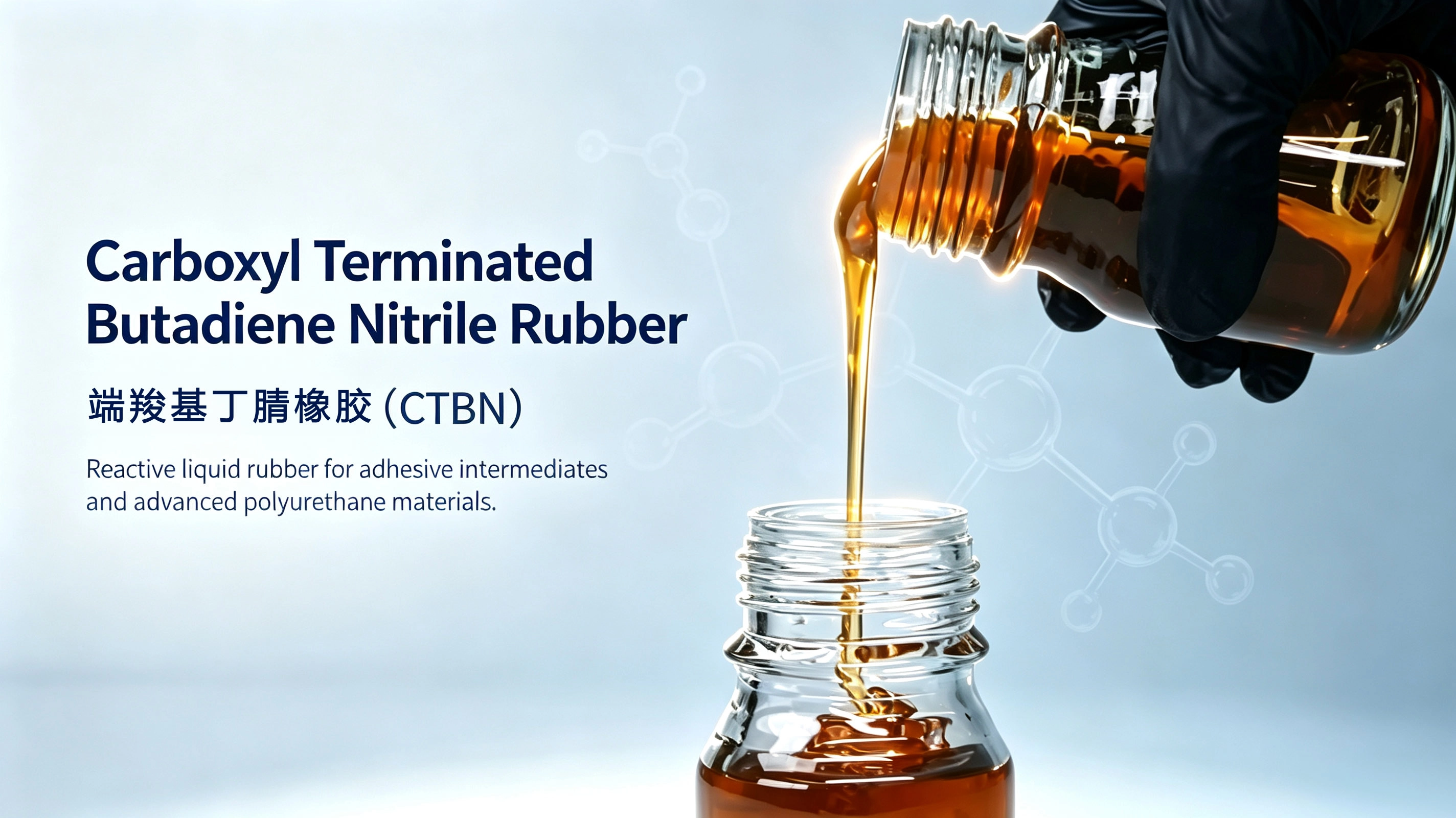
Selecting the appropriate acrylonitrile content and viscosity in CTBN (Carboxyl-Terminated Butadiene-Acrylonitrile; Carboxy-Terminated Nitrile Butadiene Rubber CAS No. 25265-19-4) is crucial for optimizing both material toughness and processability. The impact of acrylonitrile content and viscosity on CTBN performance is significant: increasing acrylonitrile content enhances the solubility of CTBN in resin but also leads to higher viscosity. The table below outlines how acrylonitrile content inf
Rather than relying on conventional bonding systems, automotive manufacturers are increasingly adopting HTPB-based adhesives to improve rubber-to-metal durability, reduce failures, and support lightweight vehicle design.