

English
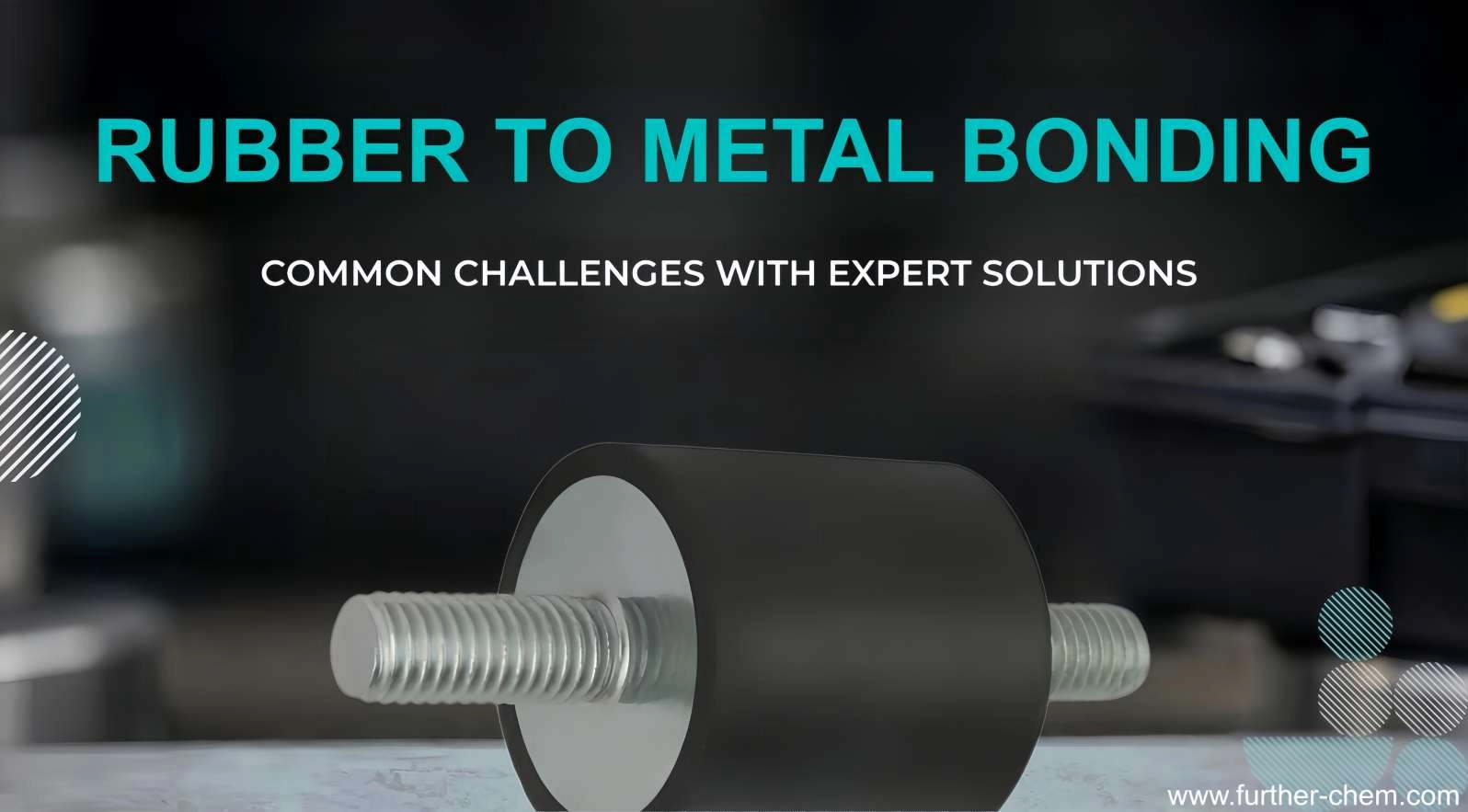
Rather than relying on conventional bonding systems, automotive manufacturers are increasingly adopting HTPB-based adhesives to improve rubber-to-metal durability, reduce failures, and support lightweight vehicle design.
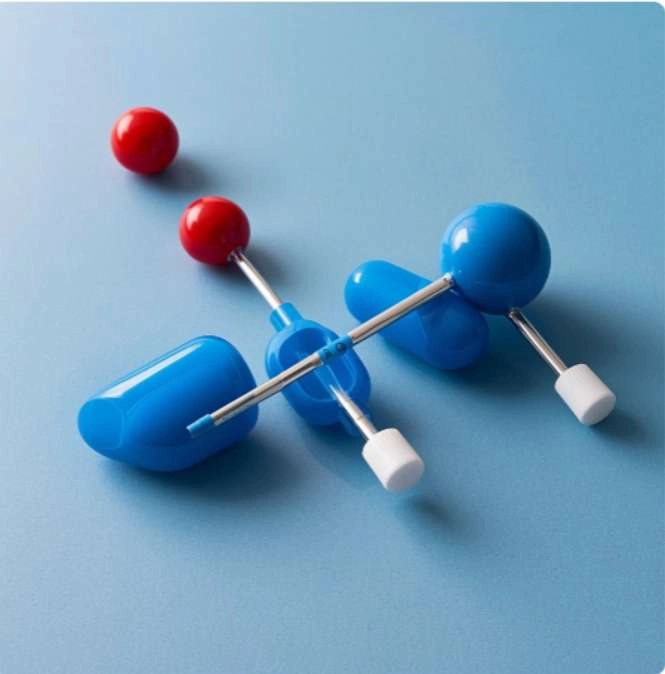
From industrial coatings to elastomers and adhesives, DDI (CAS 68239-06-5) offers practical advantages over conventional isocyanates. See how its unique structure improves processing and product performance.
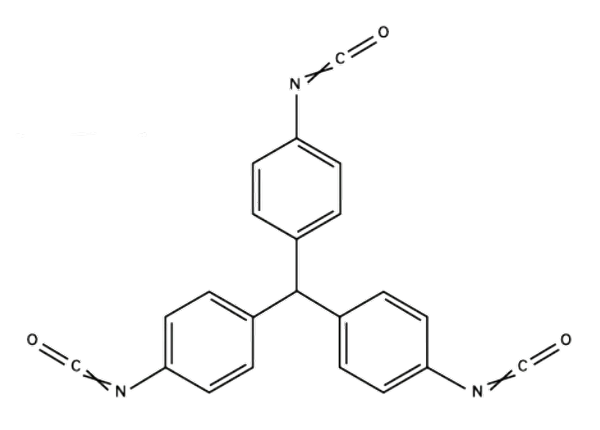
In industrial adhesive production, small formulation changes can have a major impact. Learn why Triphenylmethane-4,4',4''-Triisocyanate remains a preferred crosslinker for consistent, high-performance polyurethane adhesives.
Choosing the right HTPB formulation starts with understanding NCO balance, isocyanate compatibility, and curing conditions that determine elastomer performance.
Polyurethane products often fail because they become brittle, yellow, or lose performance in harsh environments. This article explains how DDI helps solve these challenges by improving flexibility, weatherability, and long-term durability across a wide range of polyurethane applications.
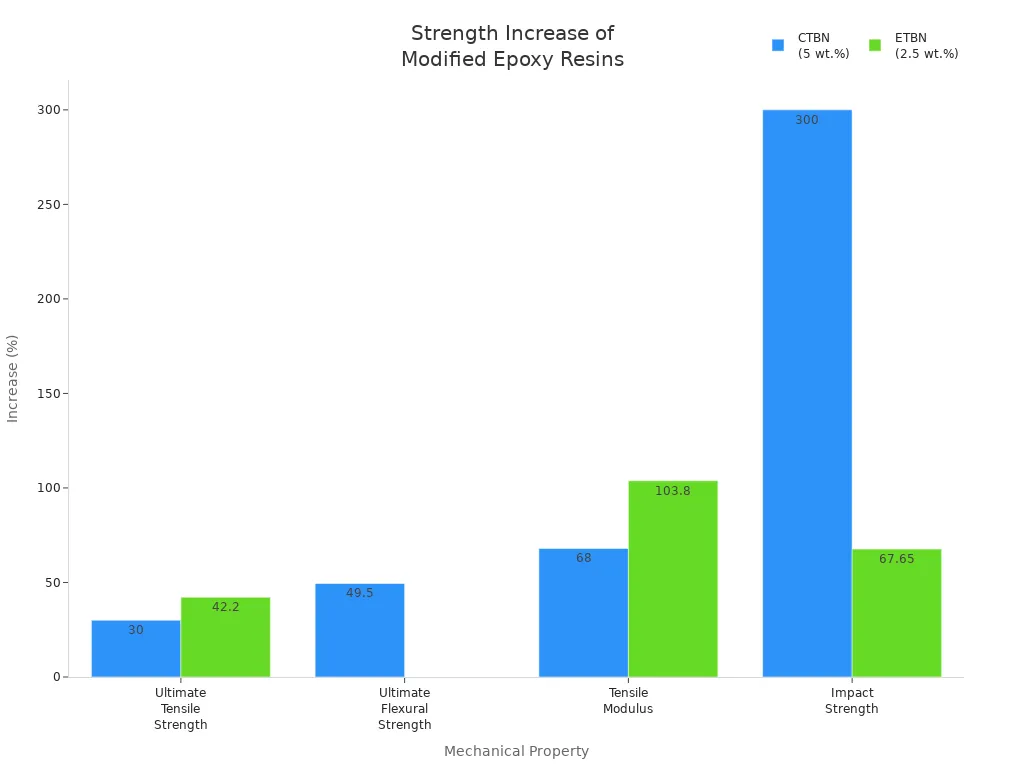
CTBN significantly improves epoxy performance by increasing toughness, impact resistance, and crack resistance. This article explains how it works, the science behind its strengthening effect, and where it delivers the greatest value in industrial applications.