 English
 English
  Spanish
  Russian
  Arabic
  French
  German
  Portuguese
  Turkish
  Dutch
Dutch  Polish
  Korean
  Vietnamese
  Indonesian

Reactive Liquid Rubber Selection Guide for Polyurethane and Epoxy Applications
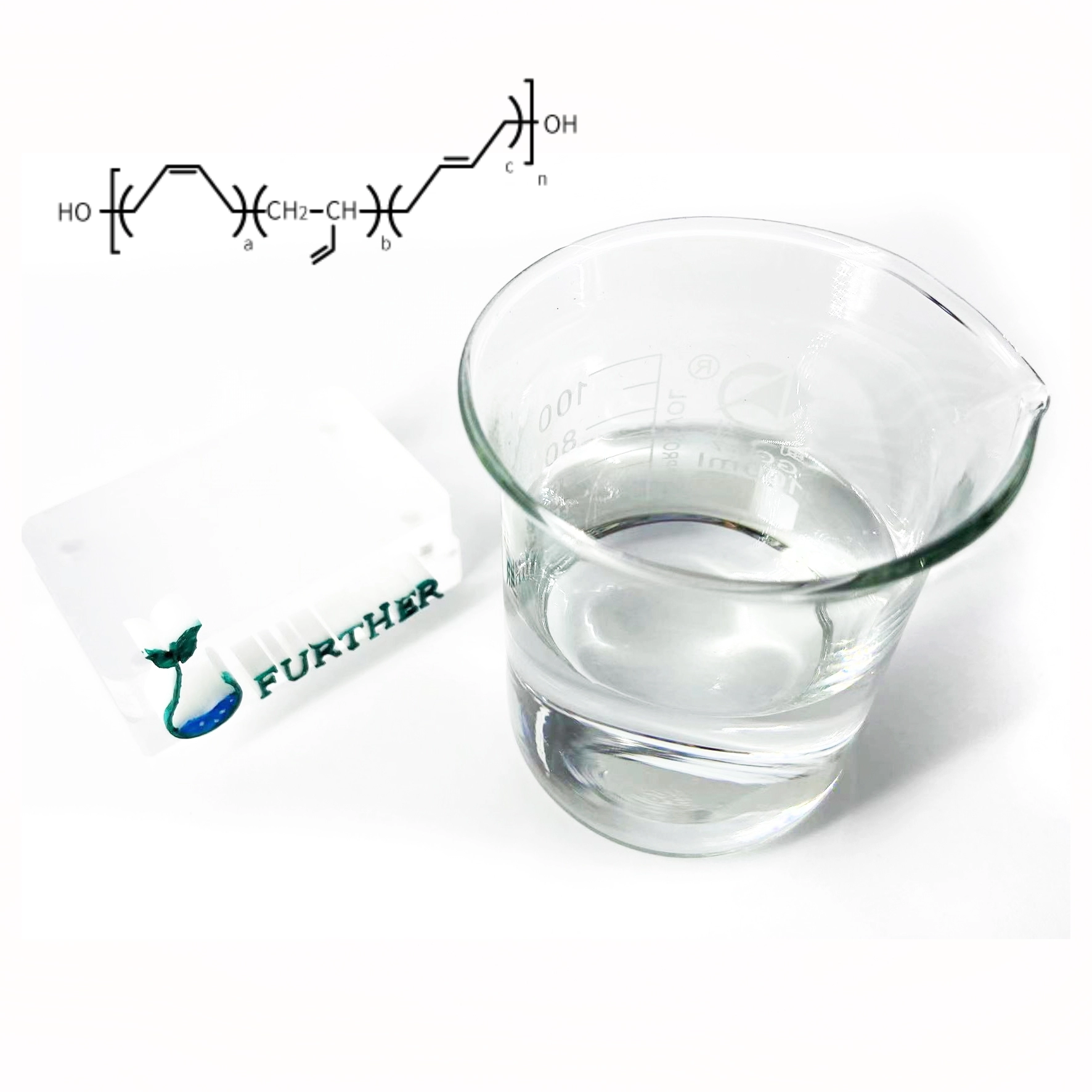
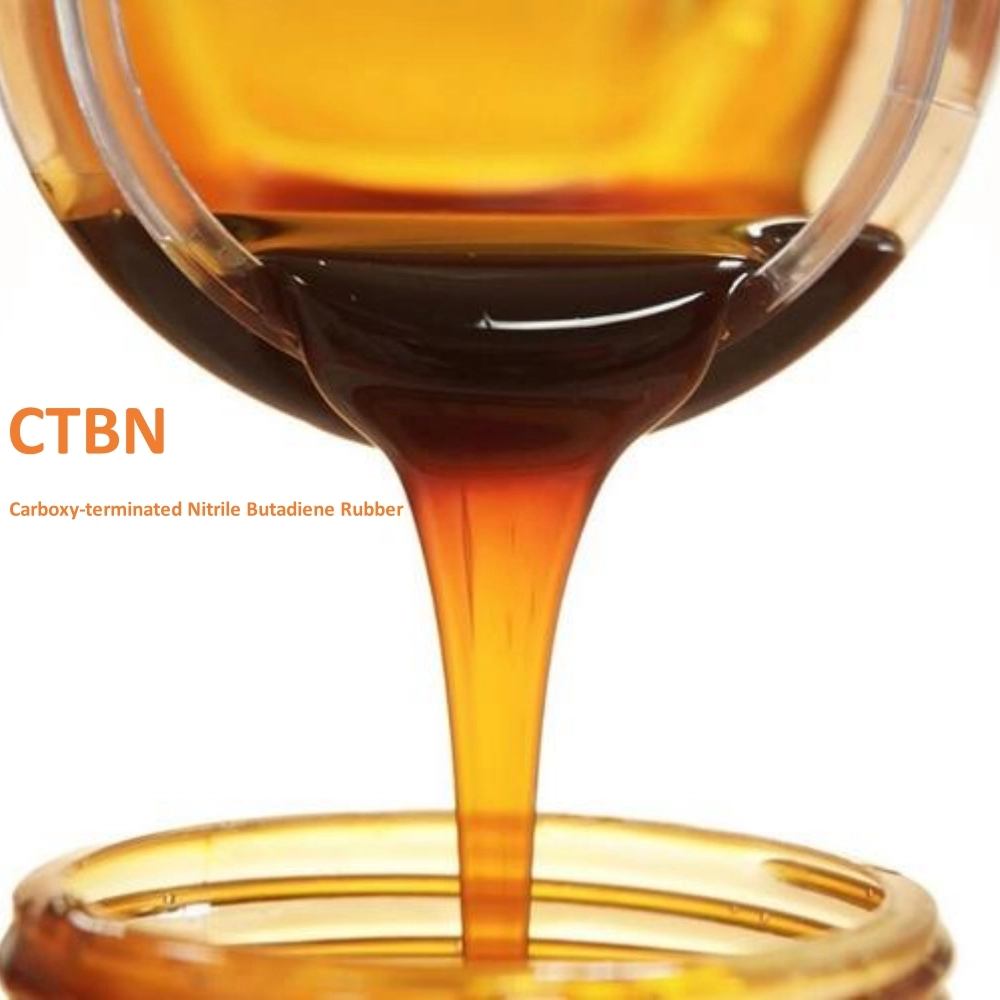
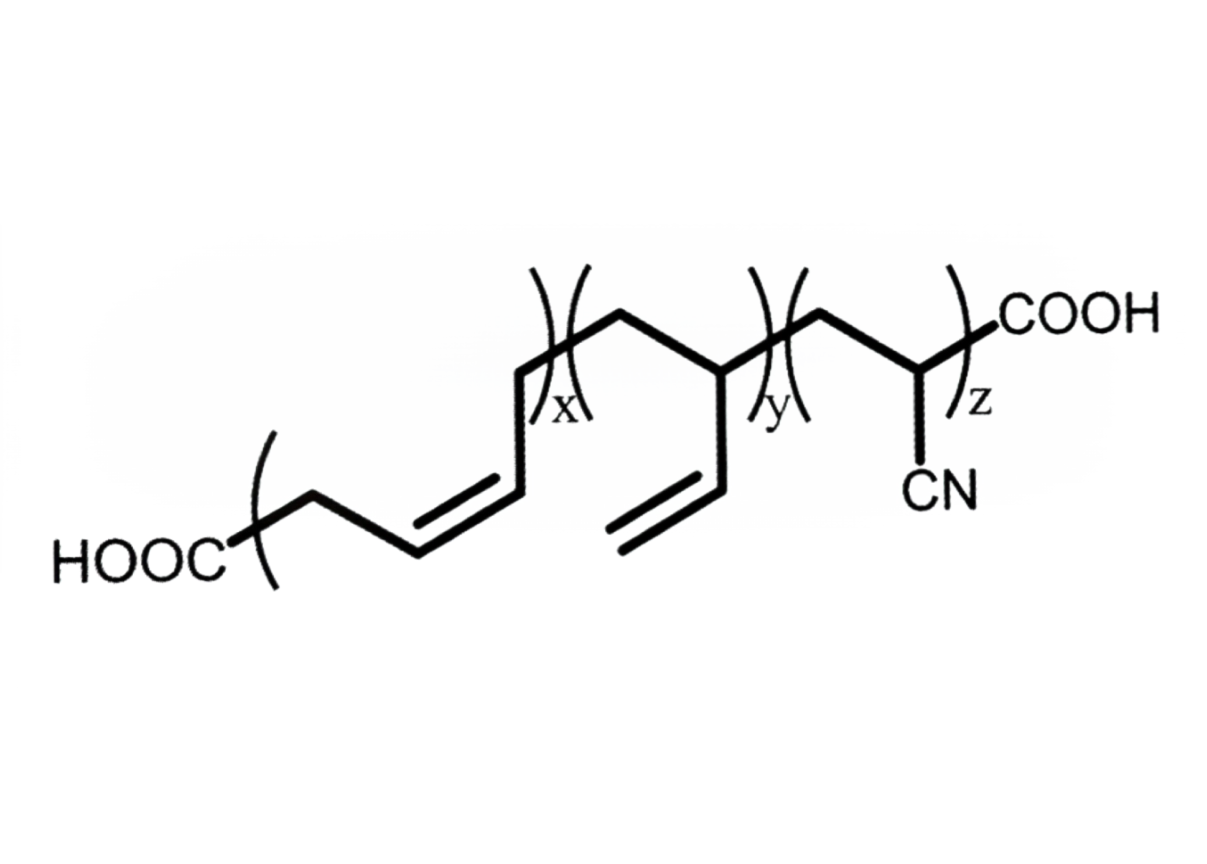
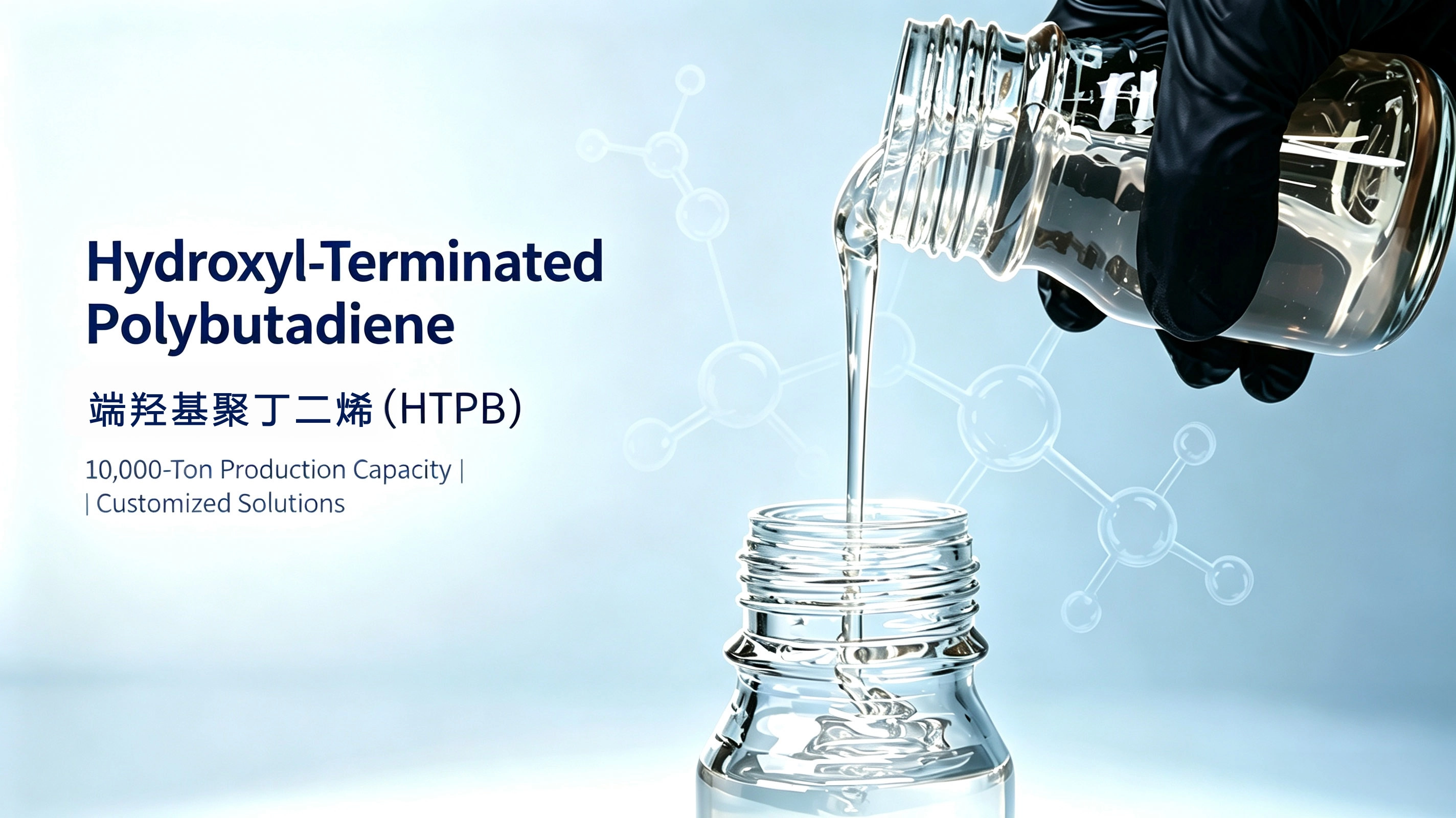
Reactive liquid rubber is designed for polymer systems that require improved flexibility, toughness, and long-term durability. With different functional groups such as hydroxyl and carboxyl terminals, materials like HTPB, CTBN, and CTPB can be matched with polyurethane, epoxy, and specialty resin systems to improve mechanical performance and processing stability. Shanghai Further New Material Technology Co., Ltd. provides reactive liquid rubber solutions with controlled functionality and consist
05-Aug, 2026
View More+